Owning a home is a dream for many Americans, but homeownership costs don’t end after closing. That’s just the beginning.
Maintenance, rising insurance premiums, or HOA fees can add a hefty monthly price tag to a mortgage.
The cost of home maintenance has significantly increased in recent years, even when adjusting for general inflation.
Data from the Federal Reserve Bank of Philadelphia indicates substantial growth in specific repair costs between 2022 and 2024. Structural repair costs, for example, grew by about 14.1% in real terms, and plumbing costs jumped by 23.6%.
Additionally, Hippo Insurance’s 2026 Housepower Report found that a whopping 76% of U.S. homeowners had at least one home-related issue that impacted their financial stability in the past year.
To ensure you’re not caught by surprise, here are the most common and costly repairs homeowners face.
What are the costliest home repairs and the ones that come as a “surprise” to homeowners?
“Most homeowners view their property like a toaster—they expect it to work until it doesn’t. But a house is a living system,” says Greg Field, an Arizona-based real estate agent with HomeSmart and founder of PGT Home Energy Solutions.
Here’s what you should always be planning for:
Roofing
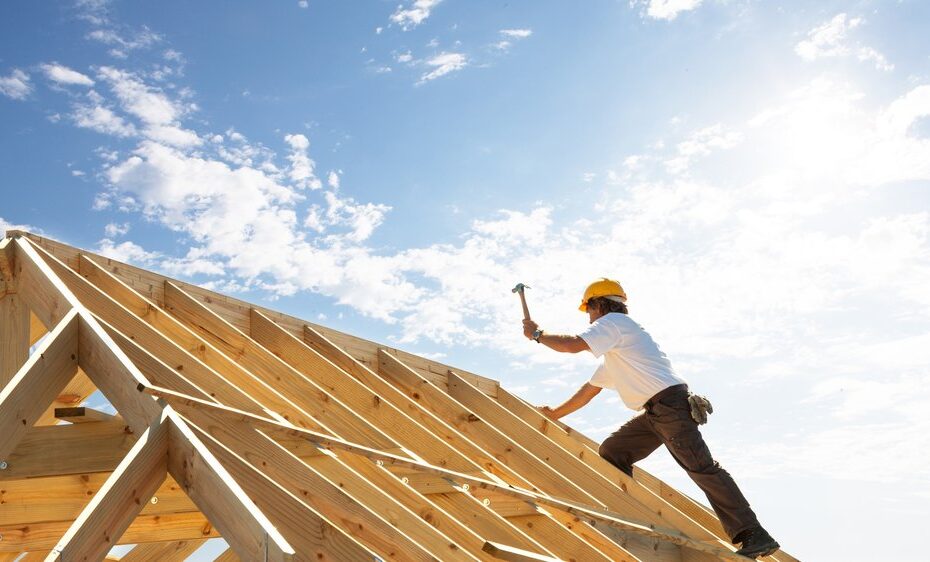
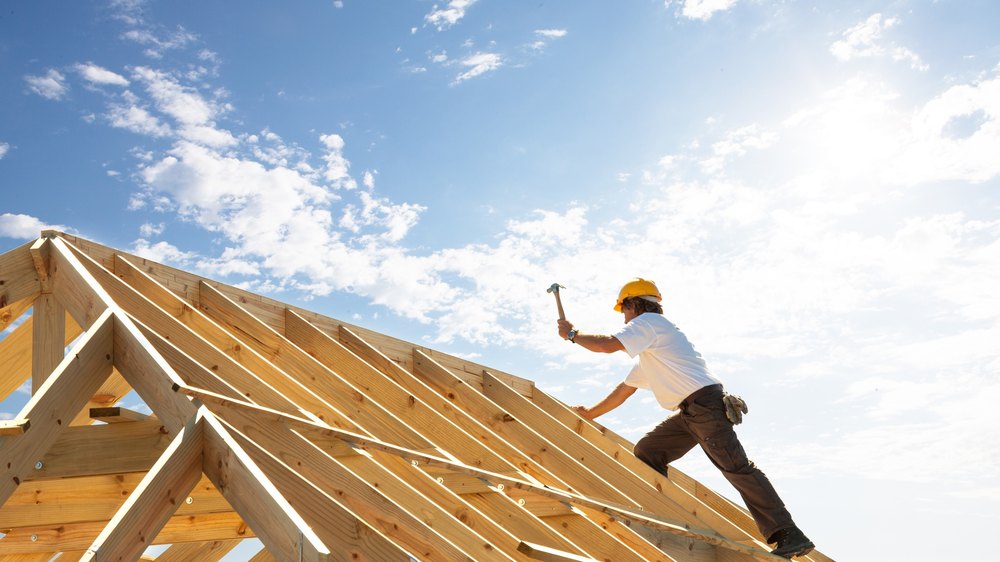
One of the costliest surprises is roofing—and it’s not just a repair-cost issue; it can also be an insurance issue, especially in states such as Florida.
Cliff Auerswald, president of All Reverse Mortgage, says that in Florida, insurance companies are requiring newer roofs as a condition of coverage.
And if your roof is approaching 15 years old, some carriers will not renew your policy or refuse to write you a new one until you replace it.
“Florida has seen a 280% increase in home insurance nonrenewals since 2018, and a lot of that is roof-related. So now you’ve got a homeowner, often a retiree on a fixed income, being told you need to spend $8,000 to $13,000 on a new roof or you’re going to lose your homeowners insurance,” Auerswald says, adding that it’s a financial emergency on top of an emotional one!
Foundation issues
These are also among the most expensive home repairs. A few cracks in the walls could seem small, but they may be a sign that your home’s structure is damaged, says Courtney Klosterman, home insights expert at Hippo Insurance.
“On average, basic foundation repairs can cost homeowners $2,200 to $8,100. Foundation lifting and leveling is a much more expensive task, averaging $20,000 to $30,000. While homeowner’s insurance may cover some foundation damage, it could exclude issues from poor maintenance—making prevention even more crucial,” she says.
HVAC systems
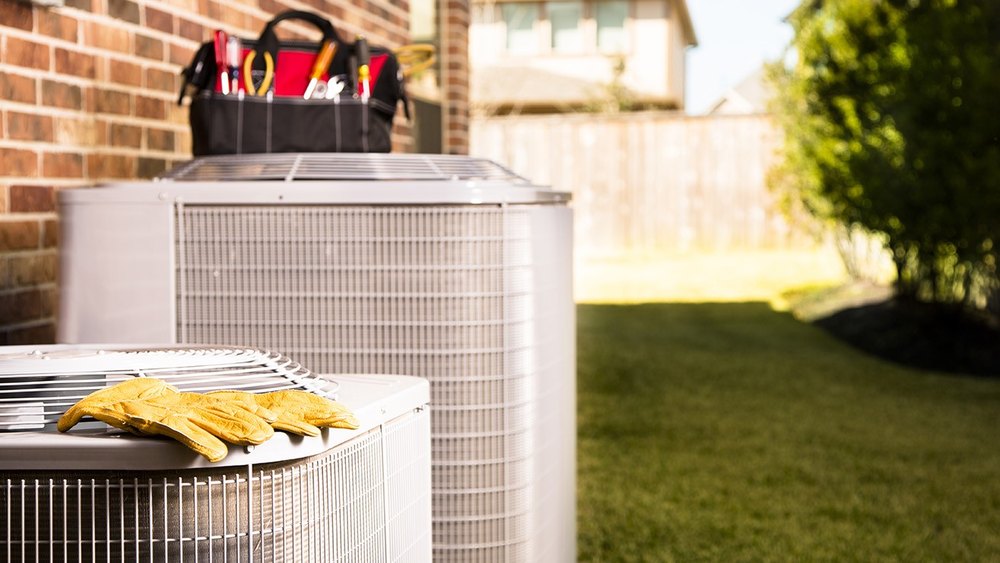
The cost of replacing these complex systems depends on many factors, including the unit type and your home’s specific needs, explains Klosterman.
On average, homeowners can expect to pay $100 to $9,000 or more for an HVAC repair, depending on the repairs needed and the type of HVAC unit.
“A full replacement can run anywhere between $5,000 and $15,000, depending on your system’s size and type. HVAC systems rely on multiple components working in harmony, and any failure can affect your comfort and electric bills,” she says.
Broken or displaced sewer pipe from house to street
Dean Bennett, residential contractor and president of Dean Bennett Design & Construction, says that this is caused by normal ground movement over time (generally after 10 or more years), and the cost to replace a sewer pipe will vary by length needed and area of the country where you live, but can easily cost an eye-popping $20,000-$40,000.
“If you’re buying a house, have a plumber inspect the condition of the sewer pipe. You can get this done through the overall inspection (you must specify that it be included) or independently,” he says.
However, if you already own your home, there’s really no way to prevent it, which is why it’s such a surprise when it happens: The sewer will back up into your house, and you have a massive mess, he adds.
Plumbing
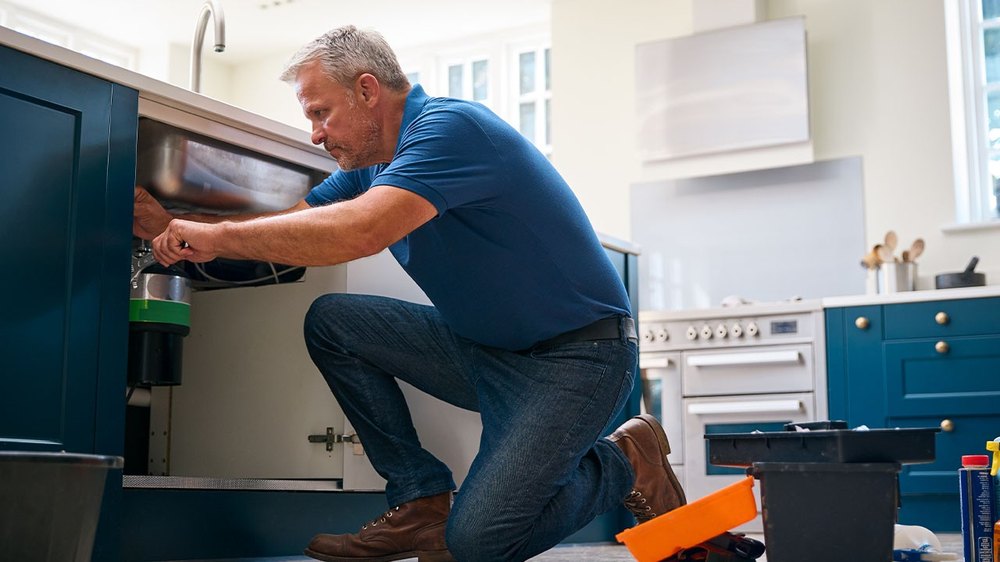
Ignoring plumbing issues can cause widespread water damage that leaves a lasting impact on your home, according to Hippo’s Klosterman.
She says that on average, homeowners can expect to pay $125 to $5,000 for plumbing repairs, depending on the severity of the issue.
“Extensive water damage can also cause the need for structural drying, mold remediation, and significant reconstruction, adding to the cost,” Klosterman adds.
Termites
Klosterman deems this “a homeowner’s nightmare,” adding that an undiscovered colony can eventually lead to weakened timbers, sagging structures, and even collapse.
“The damage from a termite infestation often remains hidden until it becomes a major issue that needs extensive repairs to your home’s structure,” she says.
In some states, such as Hawaii, termites are a fact of life, according to Kristy Nakamura, a licensed real estate broker with eXp Realty and co-founder of Kristy & Austin Home Group.
“In Hawaii, we have both drywood and subterranean termites, and treatment for an active infestation in a single-wall construction home can run $5,000-$15,000, depending on severity. I tell every buyer: the $200 termite inspection is the cheapest insurance you’ll ever buy,” she says.
What can homeowners do to prevent these surprises?
The best thing any homeowner can do to avoid an unpleasant situation like this is to stop treating house inspections as a mandatory ritual and instead treat them as part of their financial planning, says Cody Schuiteboer, president and CEO of mortgage lender Best Interest Financial.
“My recommendation to every client is to have a proper ‘inspection stack’ completed before moving into a newly purchased home, which includes a home inspection, a sewer scope, radon testing, and a pest inspection,” Schuiteboer says.
And even if you’ve already purchased the property, have it inspected once a year, just to be sure, he adds.
“It’s easy to avoid a $30,000 expense with a mere $400 inspection that might reveal a roof leak or foundation issues in their earliest stages,” Schuiteboer says.
Homeowners can also act proactively, for instance, by upgrading older electrical panels to meet modern energy demands and improve overall safety, according to Klosterman.
She also recommended addressing water leaks immediately, no matter how small, whether it’s leaky pipes, dripping faucets, or roof leaks. These can lead to mold issues, and insurance coverage for mold damage can vary widely depending on the provider and the cause, she says.
“Reviewing your policy or checking with your licensed insurance producer is the best way to understand what’s included,” she adds.
When it happens, what can they do to lower costs?
Schuiteboer says that if you end up with a major repair bill despite all your best efforts, be sure to gather at least three separate written bids before doing anything else.
“Repair quotes vary wildly depending on the contractor and the job at hand, while panic becomes the most expensive factor of all in home repair situations,” he says.
Klosterman notes that, unfortunately, nothing lasts forever, and even the highest-quality home systems eventually fail.
“The question is whether you’ll be ready,” she says.
When budgeting for home maintenance, she recommends using the 1% rule as your starting point.
“Save 1%-3% of your home’s value annually for maintenance. For example (if you’re saving 3%), a $300,000 home would require putting aside $9,000 per year, which comes out to $750 per month,” she says.
Finally, controlling repair costs is usually about timing.
As Howard Jacobson, chief operating officer, chief financial officer, and chief legal officer at Stronglast Builders, says, the longer a repair is deferred, the more expensive it will ultimately be, especially when water or animals are the cause.
“Regular maintenance, even when repair is not yet necessary, will also help reduce the cost and avoid incidental damage,” he says. “Be aware. Be diligent. Be proactive.”