Weight-loss drugmaker Eli Lilly has unveiled an ambitious plan to build a $3.5 billion manufacturing complex in the heart of Pennsylvania’s Lehigh Valley—a historic investment that could reshape the region’s housing market.
The Indiana-based company, which makes the weight management treatment Zepbound and the diabetes medication Mounjaro, will build a 925,000-square-foot complex consisting of multiple buildings at the Fogelsville Corporate Center in Upper Macungie Township, just outside Allentown, PA.
Construction is scheduled to begin later this year and be completed by 2031, creating 850 jobs at the facility, according to a press release from Lehigh Valley Economic Development Corp.
The new facility will produce injectable drugs and devices, including weight-loss drug retatrutide that is still in development.
During the project’s unveiling last week, Lilly CEO David Ricks said the average annual salary for company employees is about $100,000.
“Those are high-value jobs that change the trajectory of families,” he said.
In addition to the permanent roles, some 2,000 union construction jobs will have to be filled over the next five years, likely drawing new homebuyers and renters to the area.
How will the new plant affect housing?
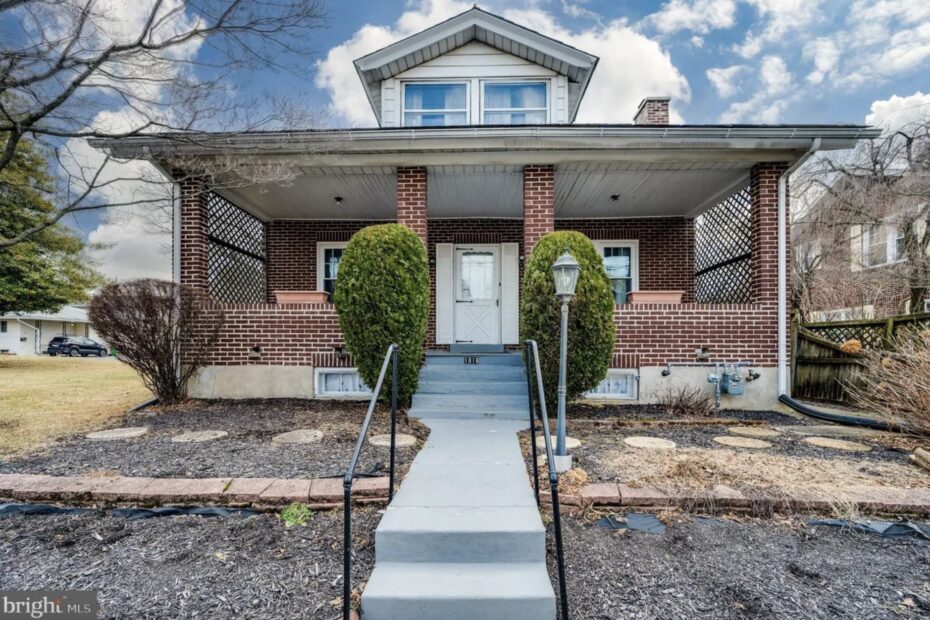
Based on housing data analysis conducted by Realtor.com® economists, the Lehigh Valley market has begun to rebalance over the past couple of years, with slower price growth and gradually rising inventory.
The Eli Lilly plant’s arrival could change the market’s dynamic.
“An influx of new investment could reignite demand that current supply may struggle to absorb, creating upward pressure on prices unless builders and existing homeowners are able to bring more inventory to market,” says Realtor.com senior economic research analyst Hannah Jones. “If demand exceeds available supply, homes are likely to sell more quickly and see strong price appreciation as buyers compete.”

Allentown, immortalized in a Billy Joel hit, is the third-largest city in Pennsylvania. Known as the Queen City of the Lehigh Valley, it has seen its median list price increase more than 12% in two years, reaching $317,812 by the end of 2025.
Nearby Bethlehem, PA, tells a different story. Once home to the formidable Bethlehem Steel, whose 2003 closure after years of decline marked the end of the region’s industrial era, the city has seen home prices drop 4.5% since 2023, with the typical house listed for roughly $388,000 last year.
Neighboring Easton, PA, has gone through an even sharper correction, with its median price shrinking by 6% since 2023 to $356,629 in 2025.
And while inventory across the Allentown-Bethlehem-Easton metro has been on the rise, climbing more than 8% year over year and nearly 31% over the past two years, it remains constrained in absolute terms.
“For anybody who’s owning their own home, I can see values rising,” Chris Raad, owner of Harvey Z. Raad Realtors in Allentown, tells Realtor.com. “We already have quite an inventory crunch right now in our area … so I could see this really affecting our housing in an upward fashion from there.”
Raad says that if the plant were opening today, bringing some 900 workers to the area, the existing supply of for-sale homes might be insufficient to accommodate the surging demand.
With the facility not expected to be finished until 2031, however, the agent is hopeful that additional homes will be built in the meantime, if municipalities agree to ease the zoning density regulations to allow multifamily housing.
What the Allentown metro offers, according to Raad, is more affordable homes and a lower cost of living than major East Coast hubs like Philadelphia, New York City, and Boston.
At the same time, Raad says over the past few years, Lehigh Valley has been building up its infrastructure and revitalizing its downtowns—efforts that have attracted new investments and fueled migration from New York and New Jersey.
How Lehigh Valley landed the Eli Lilly plant
Lehigh Valley beat out more than 300 other locations across the U.S. for Lilly’s multibillion-dollar project.
The future Fogelsville campus will be the fourth and final stateside manufacturing facility that the pharmaceutical giant announced last year to expand production of its weight-loss treatments. The first three facilities were located in Houston, Huntsville, AL, and Goochland County, VA.
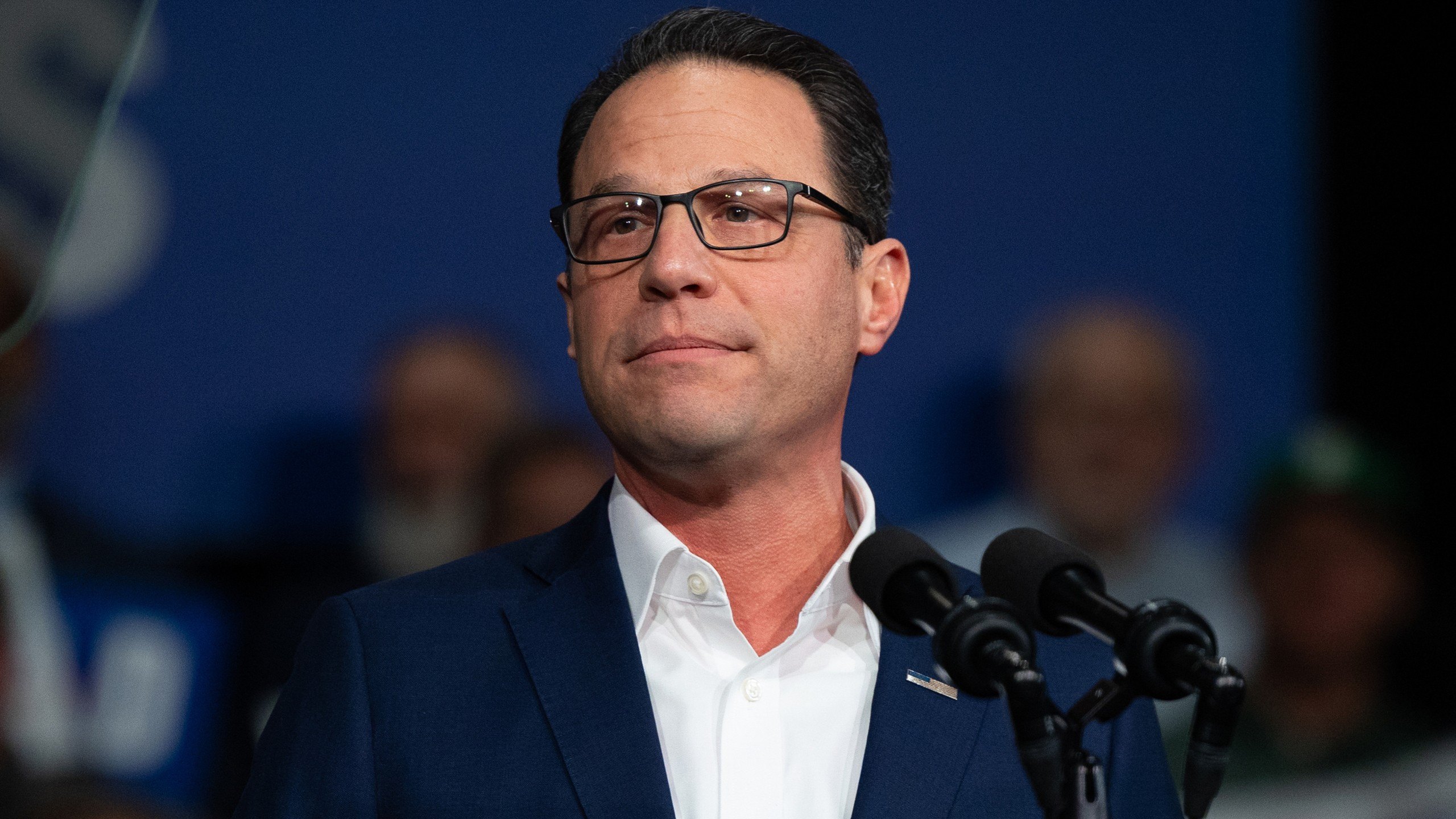
“Eli Lilly and Company is one of the biggest pharmaceutical companies in the entire world, and they are a pride of this nation,” Pennsylvania Gov. Josh Shapiro, a Democrat, said at the project unveiling last week. “They can choose to invest anywhere in this country and across the globe. They chose to plant their flag right here in Pennsylvania … right here in the Lehigh Valley.”
Pennsylvania initially vied for the third Eli Lilly plant that ultimately went to Virginia. But after missing out on that project, state leaders regrouped and mounted a renewed effort.
The Lehigh Valley Economic Development Corp. coordinated with state officials and local and regional stakeholders to put together a plan addressing Eli Lilly’s requirements, including infrastructure, utilities, and workforce needed to complete the plant on time.
The mostly shovel-ready site benefits from direct access to Interstate Highway 78 and essential utilities, is just a few hours’ drive from a massive pool of skilled workers, and sits within a region dotted with universities producing future talent to staff the Eli Lilly plant.
To sweeten the deal, Pennsylvania committed more than $100 million to the project, including $50 million in tax credits and another $50 million in grants.
“Our investment here is more than just building a facility—it’s about building a shared future with the people and communities of the Commonwealth,” Edgardo Hernandez, executive vice president and president of Lilly Manufacturing Operations, said in a statement.