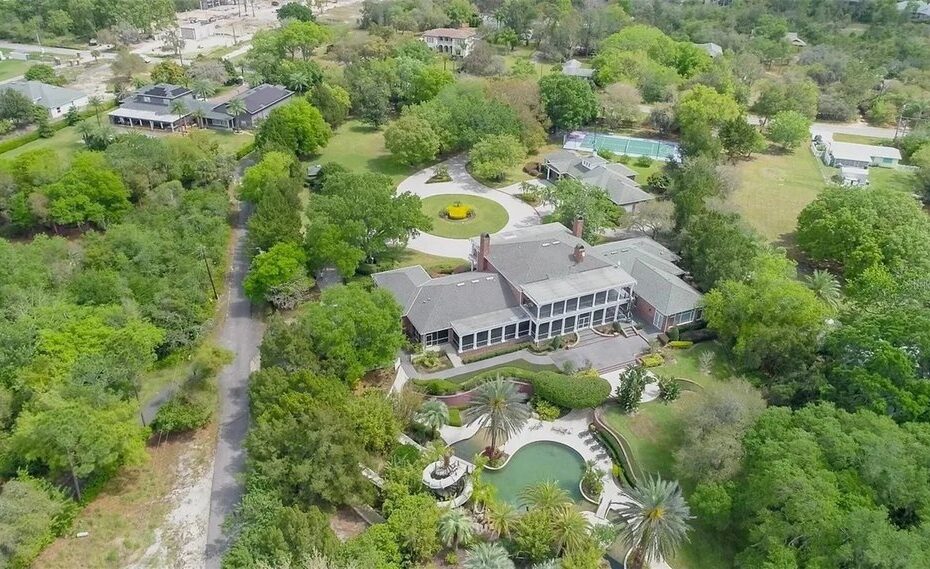
*NSYNC star Joey Fatone‘s former Florida mansion is on the market for $7.9 million—more than a decade after he was forced to auction off the property in a desperate bid to avoid bankruptcy following the band’s sudden decision to go on an indefinite hiatus.
Fatone, 49, purchased the sprawling 10,000-square-foot Orlando dwelling for $2.65 million in August 2001, when he and his bandmates—Justin Timberlake, JC Chasez, Lance Bass, and Chris Kirkpatrick—were at the height of their fame.
He is then understood to have carried out a wave of upgrades in and around the property, customizing it to suit his every need, adding a slew of unique features, with a previous listing noting that it was “meticulously designed to embody the extravagant vision of a renowned celebrity singer.”
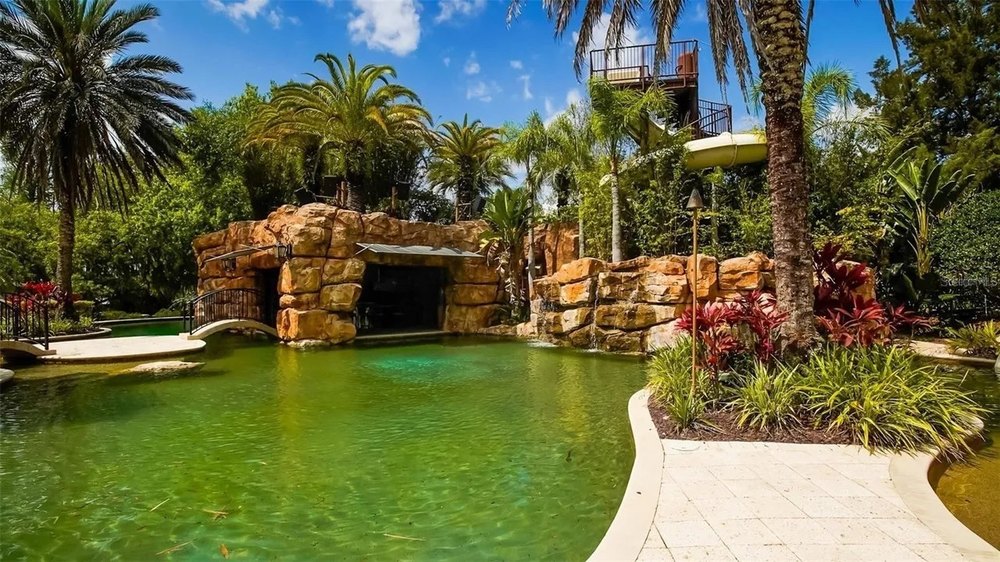
Among the amenities included in the home are a mini-golf course, a wet bar, a lagoon-style pool, and a movie theater, everything an A-list star could need to live the high life.
But by 2011, Fatone’s high life had reached a new low, nine years after *NSYNC went on a sudden hiatus that left him without a steady income stream and forced him to auction off the property for just over half of his original asking price.
Now, the same home he said goodbye to is back on the market, this time for $7.9 million.
The five-bedroom, 5.5-bath property was built in 1999.
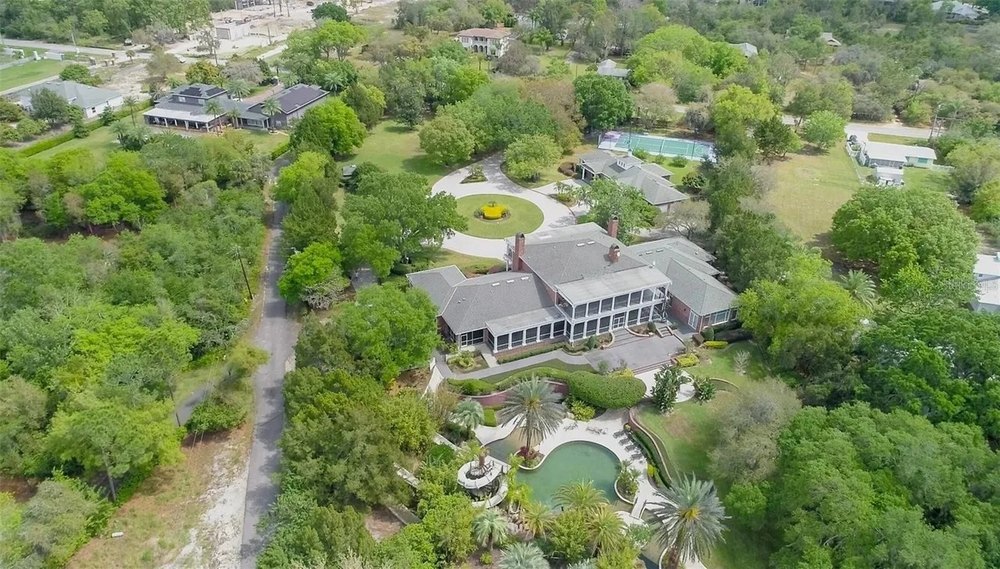
It sprawls across 10,010 square feet and is the epitome of luxury thanks to its lush greenery, which makes it the perfect place for a star to seek privacy.
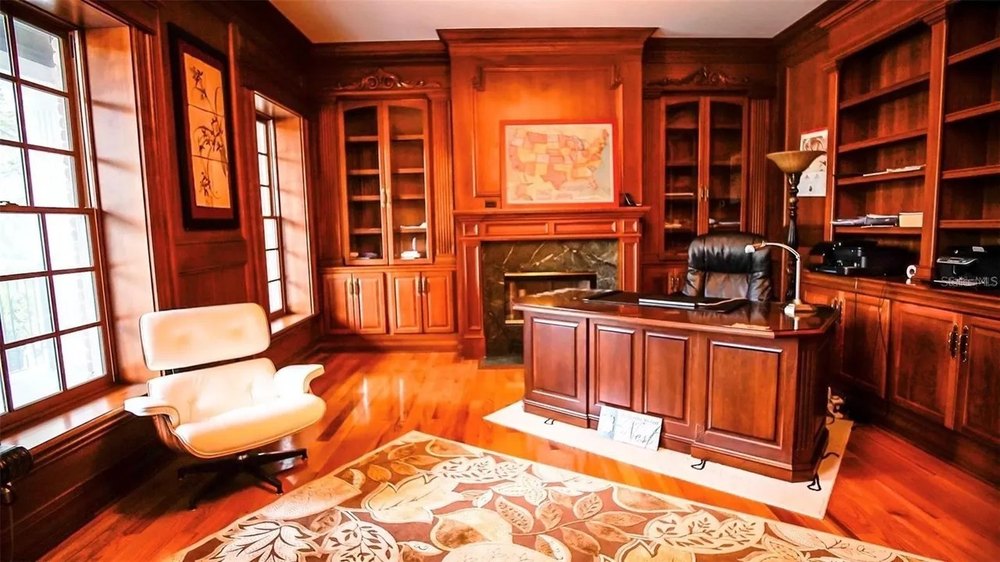
“The main residence was custom-designed by a musician with advanced soundproofing, and includes a home theater, office, formal living room, and five ensuite bedrooms,” according to the listing.
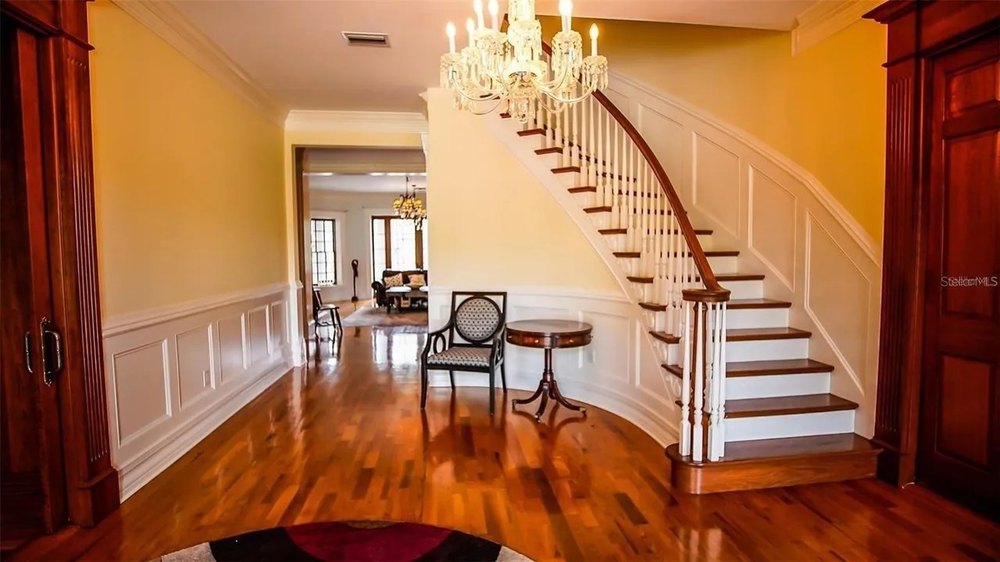
Upon entering the home, guests are greeted with an expansive living area, which comes complete with dark wood floors and an open floor plan.
The foyer is the epitome of luxury thanks to its grand staircase and shimmering chandelier.
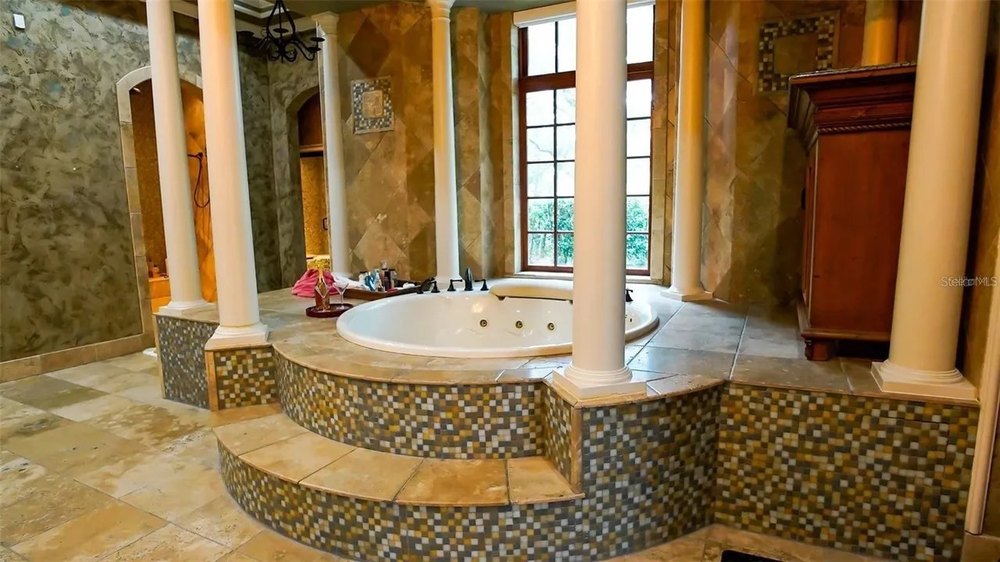
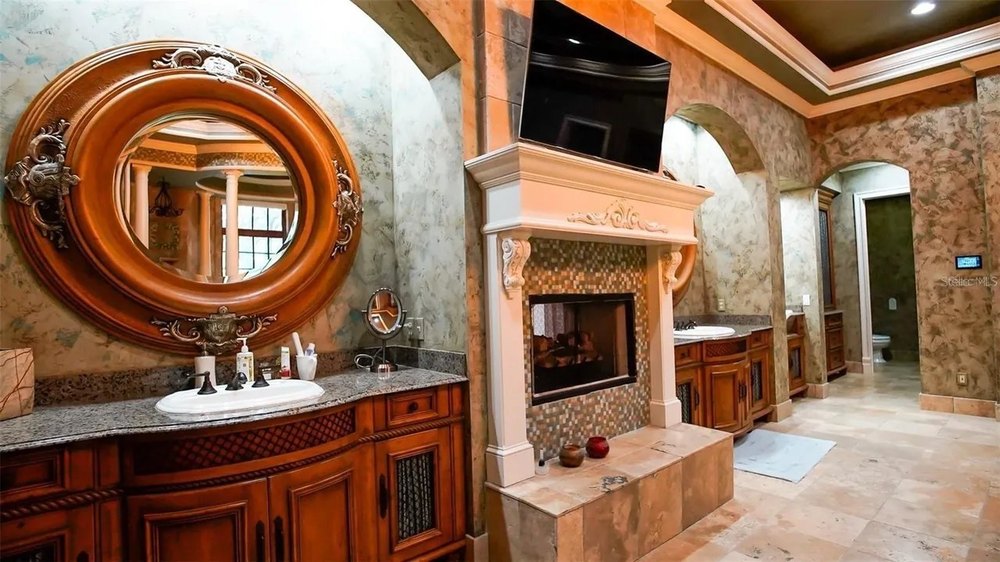
The master bathroom comes complete with an elegant design, including a soaking tub, fireplace, and dual vanities.
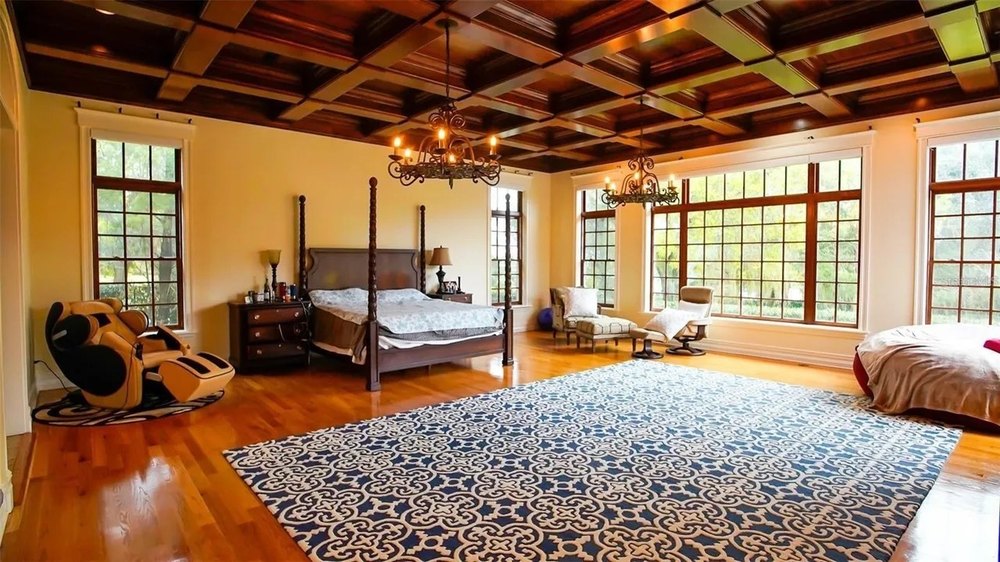
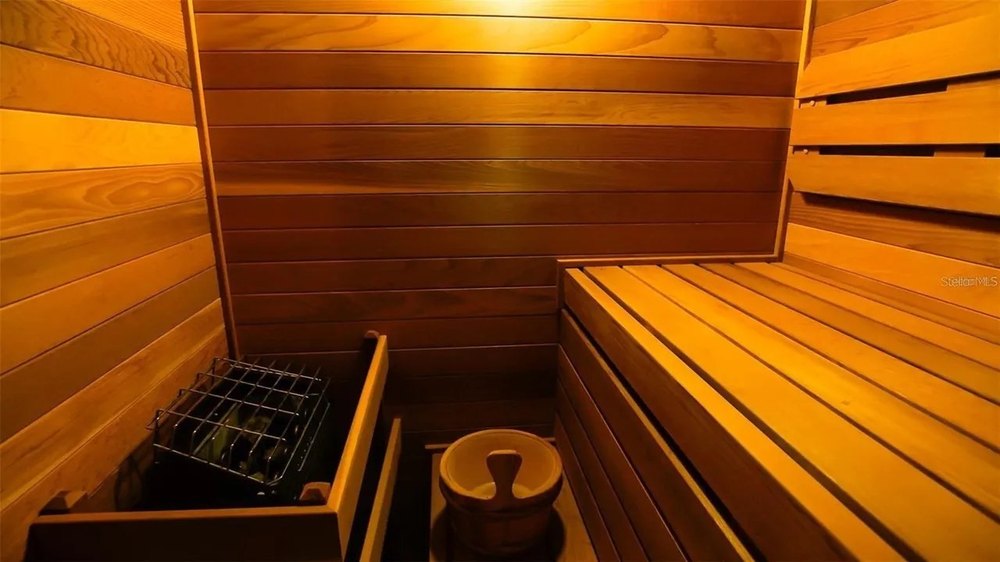
“The primary suite on the first floor features a 900-square-foot bedroom and a 1,000-square-foot spa-style bathroom, equipped with a Finnish dry sauna and steam sauna imported from Finland,” the listing reads.
The primary bedroom is surrounded in floor-to-ceiling windows that allow natural light to flood inside. There is also enough space for a king-sizes bed and several seating areas.
“The primary suite also includes an 800-square-foot walk-in closet (the original owners were actors with extensive wardrobe collections),” adds the listing.
Elsewhere, there is a sauna, entertainment room, and an office space.
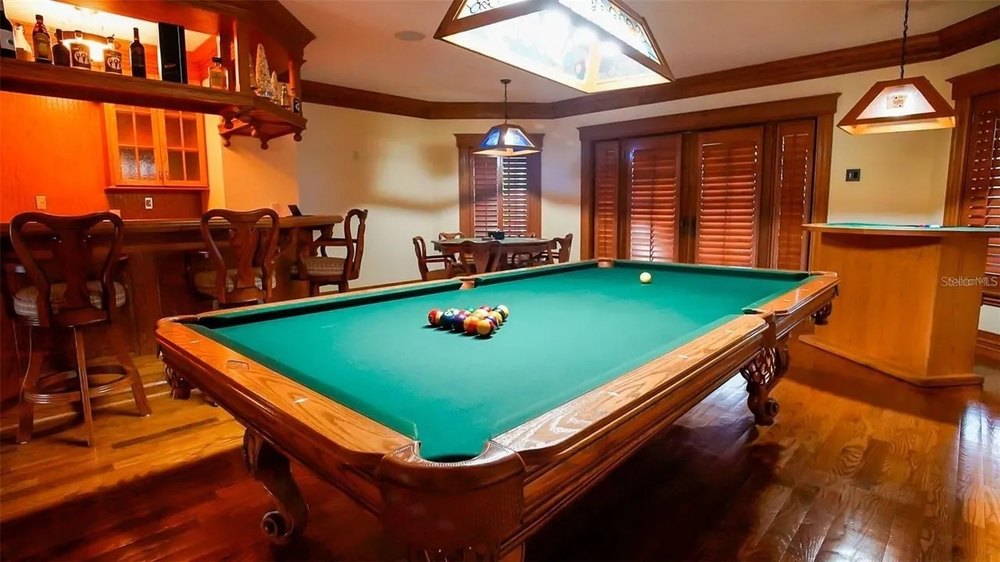
“The second floor is dedicated to entertainment, featuring a full bar, billiards room, two blackjack tables, and casino-style gaming areas. An elevator connects the first and second floors for convenient access,” adds the listing
“The home also includes a 500-square-foot laundry room. Outdoors, the estate offers an international competition-standard tennis court and a regulation-size basketball court.”
Yet the property has faced a yearslong struggle to find a buyer, having originally been listed for the much higher price of $15 million in August 2024, only for that number to slowly plummet in the years since, during which time the dwelling has bounced on and off the market numerous times.
The most recent price drop was made in September 2025, when the ask was lowered to $7.9 million, where it has since remained.
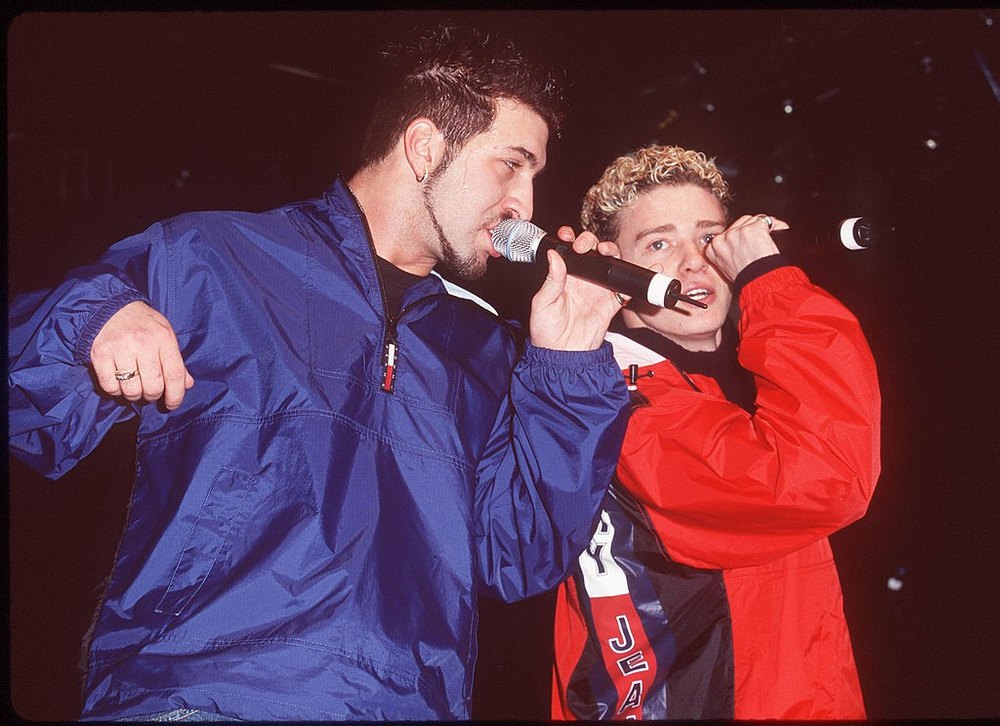
This pattern closely echoes the struggle that Fatone faced when he came to sell the dwelling after he was urged by his accountant to offload the home in order to save himself from going bankrupt.
Having initially listed the mansion for $5.9 million in July 2009, the singer was forced to steadily drop his asking price to a low of $3.9 million in February 2011, six months before he resorted to auctioning the home off for the much lower price of $3.3 million.
Speaking about his financial fall from grace in his new Investigation Discovery documentary, “Boy Band Confidential: A Hollywood Demons Event,” Fatone explains that his money struggles came as a result of the sudden decision to disband *NSYNC in 2002, a move that he says he didn’t see coming.
“There was never a conversation, per se. There was never a goodbye. There was never anything,” he says in the documentary.
But the hiatus also had another very serious impact on Fatone’s life—specifically his finances, which he admits quickly dried up when the money he was earning as a member of *NSYNC stopped coming in.
When he purchased the sprawling mansion, the singer says he made sure to confirm with his accountant that he was in a comfortable enough position to do so, recalling: “Money was coming in. I asked my accountant, ‘Hey, are we good?’ ‘Yeah, we’re great.’ ‘I’m OK to buy this house, right?’ He goes, ‘Your kids’ kids’ kids will be fine.'”
However, Fatone notes that, in hindsight, his accountant was likely unaware that his regular stream of income was about to be shut off, almost overnight.
Fatone admits that his accountant was likely unaware that his regular stream of income was about to be shut off, almost overnight.
By 2011, his financial situation was far more dire, prompting his new accountant to urge him to sell his expansive mansion as quickly as possible to avoid impending bankruptcy.
“10 years later … when I go to a new accountant, I say, ‘Hey man, can you look at my finances and what’s going on?’ And he goes, ‘You need to get out of that house, or you’re gonna go bankrupt.’ I went, ‘I’m sorry, what?'” Fatone reveals.
The extent of his financial situation was made painfully clear to him on Christmas, when his electricity was suddenly shut off because he was unable to pay the bill—just as his family was preparing to open gifts and sit down to their holiday meal.
At the time, Fatone was married to Kelly Baldwin, with whom he shares two children—and the two had invited several members of his extended family over for a celebration.
“There was one point during Christmas, they shut off the lights to my house because I didn’t pay the bill,” he shares in the documentary. “I almost was gonna go bankrupt. And I have a family. This is when I am married, I have two kids.”
While he concedes that these kinds of financial hardships happen every day, Fatone adds that he was facing further complications because of his fame—and his desire to keep his situation out of the public eye.
“These are certain things that happen in normal people’s lives as well; but then you have to figure out, for me, how do I do this without the public even watching of what’s going on?” he explains.
Fatone says he quickly swallowed his pride and turned to the people in his life who “had the most money” to ask them for financial assistance—but found the door shut in his face on more than one occasion, leaving him with little choice but to move his family in with his parents in Las Vegas.
Though humbling, he admits that this experience encouraged him to embrace a new role in life—one that didn’t rely on his past fame or *NSYNC successes, but instead focused on a career that he forged himself—even if that meant accepting jobs that he previously wouldn’t have considered.
“I lived in Vegas for almost a year, busted my ass to slowly build back up kind of a career in a sense,” he explains. “I went from performing in stadiums to, a year later, two years later, doing Broadway and then, all of a sudden, when things go down, I’m doing ‘The Price Is Right’ at Bally’s, a live show in front of maybe 100 people.”
Speaking to People magazine, Fatone said this rock-bottom period in his life also taught him another important lesson—that it was ultimately his choice how he handled the disappointment.
“Talking about possibly going bankrupt myself and going down that path, when you had millions of dollars … to almost have nothing, it’s like, what do you do?” he said.
“Do you go off the deep end, like some people have, and go to addiction to try to get your body numb and not think about it? Or do you get the positive attitude and go, ‘You know what? I can do it.'”
Fatone also experienced a newfound love of music and performing, explaining that it helped him stay positive, even in the toughest times.
“I love performing and I loved hosting. Honestly, me and [fellow executive producer Joe Mulvihill] have always talked about this,” he said. “I’ve always just had a positive attitude, no matter what happens. You just have to think and realize there’s always light at the other side, in some way, shape, or form.”
He explained that although his sense of “normalcy” was taken away from him following the end of the boy band, he knew he couldn’t let it take over his life.
“You may not get there right away. It may not happen overnight, but you will get there. Like I said in the doc, living with my parents with a wife and two kids and not knowing when I’m actually going to get out and into my own place and have some normalcy … it was kind of taken away, with not knowing financial things and what I was doing,” he added.