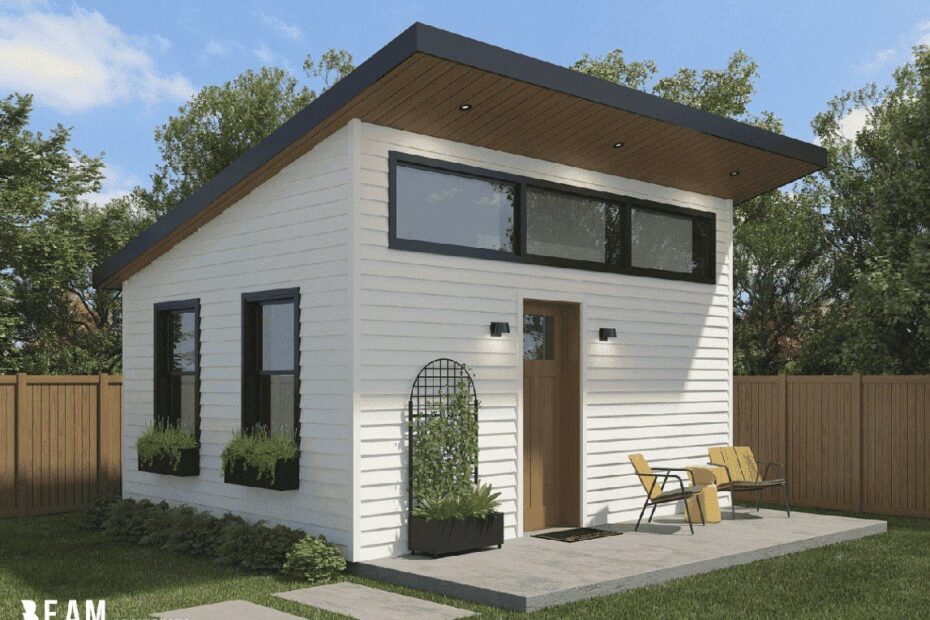
The Big Apple is going big on tiny homes.
Mayor Zohran Mamdani is all on board, and the city just released a library of “one-stop shopping” for those interested in adding an ADU to their property. Called “ADU for You,” the site showcases a collection of eye-catching designs already reviewed for general code and zoning compliance.
The ADU library comes after outgoing New York City Mayor Eric Adams pushed his City of Yes program to ease the housing crunch by allowing some New Yorkers to build accessory dwelling units—or tiny homes or “granny flats”—on their properties.
The plan is expected to result in about 20,000 ADUs over 15 years in backyards, converted garages, basements, and attics.
Accessory dwellings can be perfect for family members who want a separate place to live but who can’t afford a home of their own—or who just prefer to be nearby.
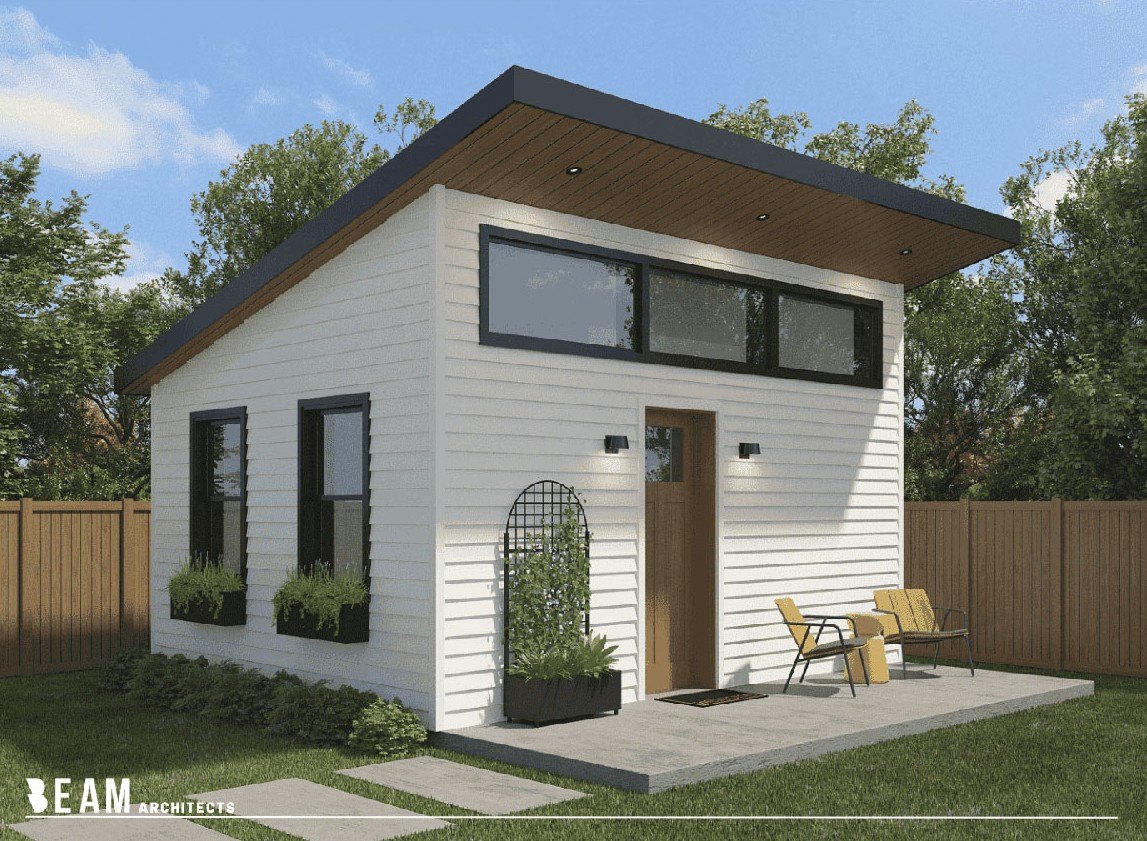
The tiny homes can also be used for rental income. In a city like NYC, where the median rent for 0-2 bedrooms is a whopping $3,581 per month, that can add up to some serious extra cash.
“One of the solutions to the housing crisis can be found in our backyards, our attics, or our basements. … That’s why our administration is making it easier and more affordable to build an ADU through a library of pre-approved plans and new financing options,” Mamdani said in a statement.
“By making it easier for New Yorkers to turn their homes into an extra place for a loved one or a little more income, we’re allowing our city to grow while keeping the character of the neighborhoods we love.”
“Creating an ADU can feel out of reach for too many New Yorkers,” agreed Leila Bozorg, deputy mayor for housing and planning. “These new tools will help ensure that any New Yorker who wants to add an ADU is able to do so.”
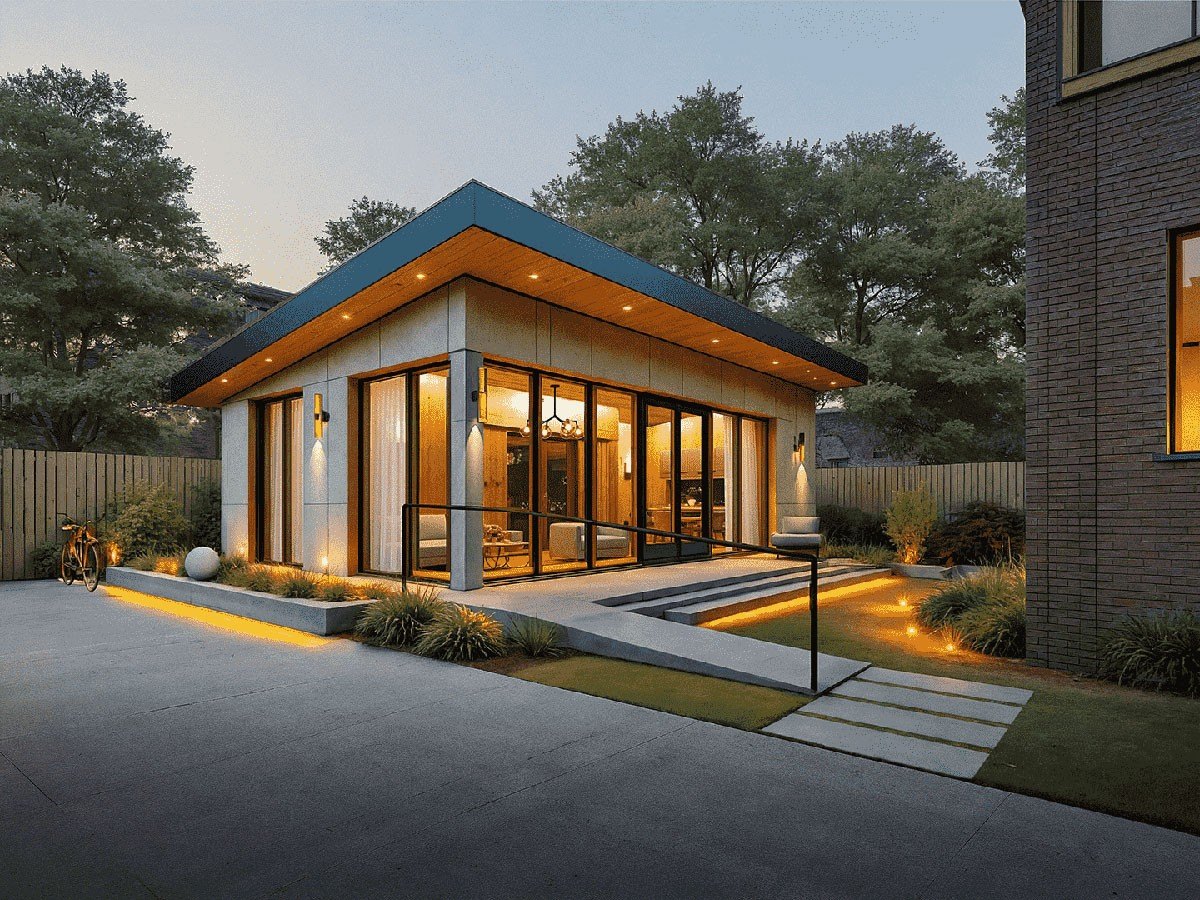
The designs—each rendered by architectural firms approved by the city—are “meant to inform your planning.” In other words, don’t just start building what you see in the library. You’ll have to consult a professional.
“Permits and site-specific approvals for items such as foundations and utilities will still be required by city agencies, but the owner can be confident that the city has pre-approved the above-ground portions of the work for general zoning and code compliance,” says Wil Fischer, founder of Unit Two Development, one of the firms working with the city to build approved ADUs.
The city—not known for making anything easy—is actually making this process fairly straightforward. Not only can you check out pre-approved designs in the library, but each design includes an estimated cost, lots of information about the design, and the name of the firm that can build it for you.
“The designs remain the intellectual property of the applicants who submitted them to the library,” Fisher tells Realtor.com®. “To build the designs, homeowners must engage that firm specifically.”
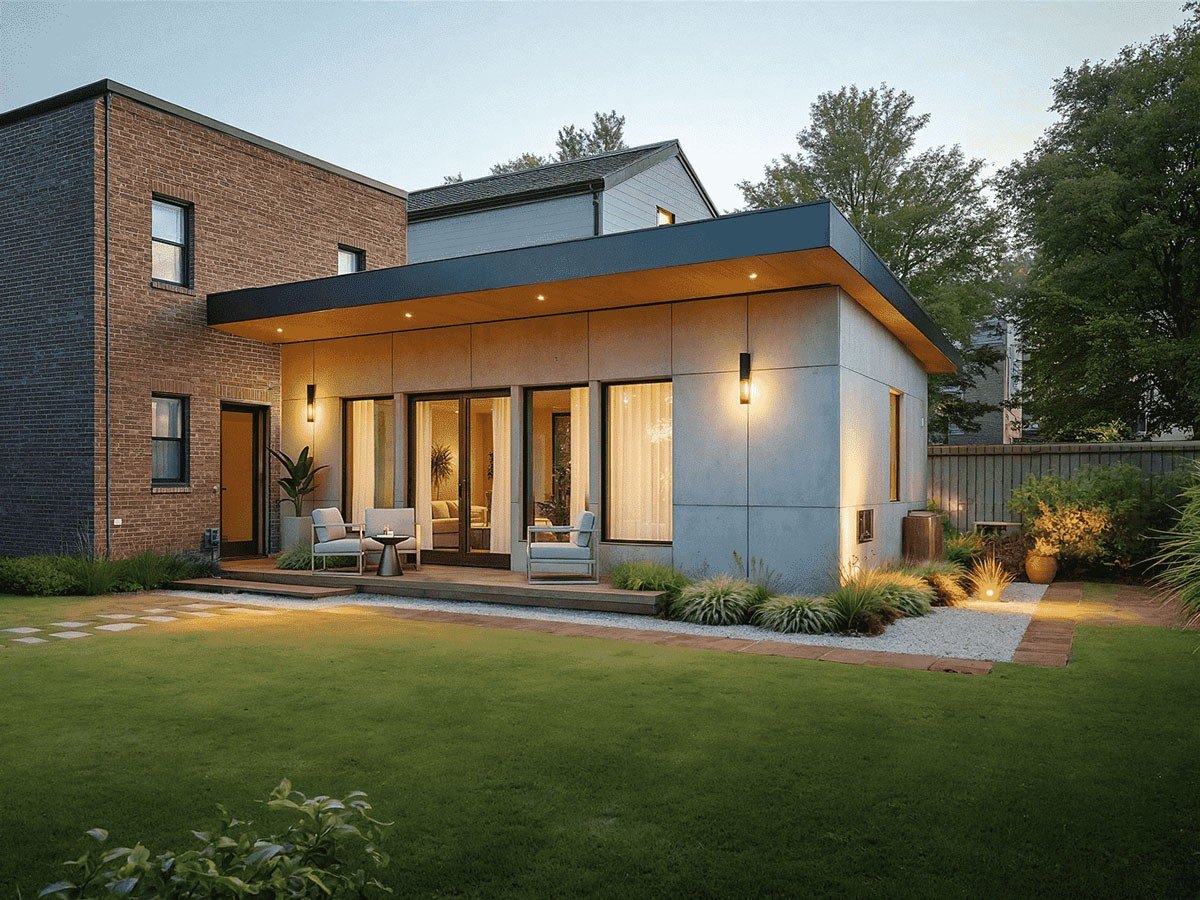
The pre-approved designs make certain that ADUs are safe, livable, energy-efficient, and can pass city reviews that ordinarily involve several agencies.
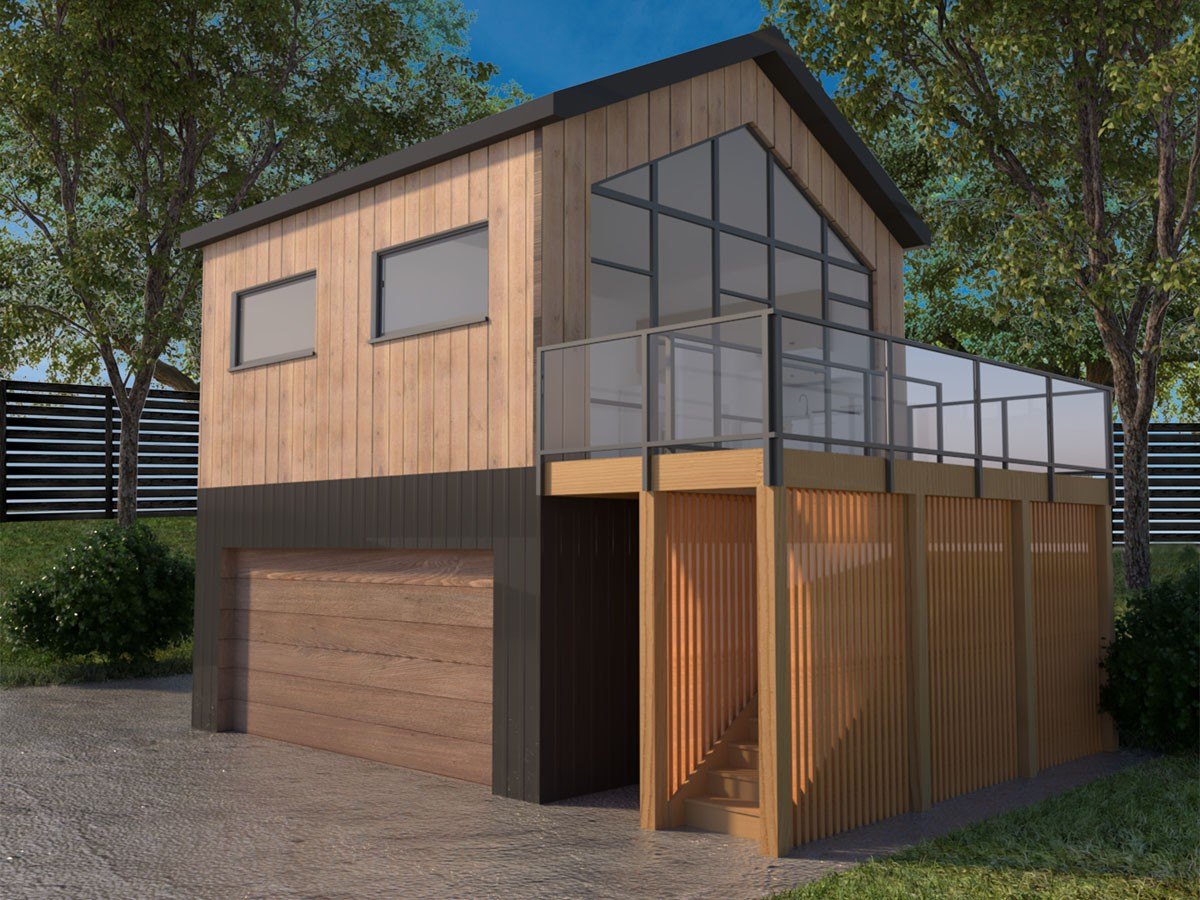
Included with the designs is their estimated costs, ranging from a quite reasonable $85,000 to a rather shockingly high $650,000. That pricey ADU is meant to go above a new or existing garage, and boasts a glass terrace.
“Costs are competitive with other small units for sale in New York City, such as new-construction condos built to the same modern requirements,” says Fisher. “ADUs built to today’s standards will be safer, more comfortable, less costly to operate, and more durable than much of New York’s existing housing.”
Financing an ADU
Should you want help with financing, you can apply to the Plus One ADU program, which provides up to $395,000 in loans as well as technical support to build an ADU. The pilot program will award 15 homeowners with up to $395,000 in funding per household to build an extra dwelling in their backyard, basement, or attic.
Last year, approximately 2,800 people applied for the limited number of slots available, but the city is now reopening the application process and those who hadn’t previously applied can do so until June 12, The City reported.
As for the previous batch of applicants, a city spokesperson told the outlet that the first loans should close this year.
Fisher says that given how much primary homes on average have appreciated in a metro with a median list price of $749,450, most people should also be able to use home equity lines of credit to pay for their ADU.
“The Mamdani administration is striving to make the process more streamlined and affordable,” he says. “New Yorkers stand ready to help build the housing to make space for their families, friends, and neighbors—right in their backyards.”