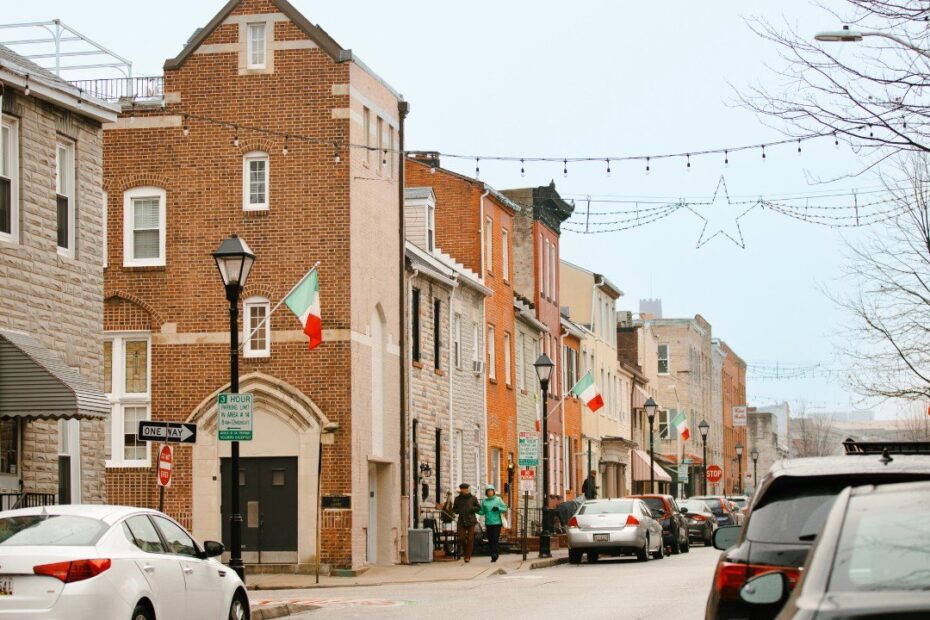
Maryland doesn’t need to dig up its rural areas to solve its decade and a half of sluggish homebuilding, leaders say.
Members of Maryland’s Senate Committee on Education, Energy, and the Environment were briefed on the status of housing by state leaders in Annapolis on Wednesday. Legislators will consider at least four major bills this year related to housing, as Maryland estimates 15 years of under-building has left it with a shortage of 100,000 homes.
The first aim is to simplify processes for builders and reduce regulatory obstacles, said Secretary of Housing and Community Development Jacob Day.
“The solution to our housing crisis is not just government-financed, income-restricted housing development,” Day said. “The market has to play a critical role here as well, and thus the regulatory environment we create has a critical role to play as well, in order to produce more affordable, smaller-size and lower-cost [housing] to buyers and renters alike.”
Streamlining the homebuilding process
The state used to regularly produce around 30,000 new housing units a year, but that ended in 2005. Its housing production has not topped 20,000 since then. Annually, it’s issuing 40% fewer residential permits a year compared with 2008, Day said.
As a result, not only is the housing shortage felt in the lowest economic tiers—half of renters pay more than a third of their income for housing—but in the moderate income range as well. Only 49% of middle-income households could afford the state’s median home price in 2022 compared with 75% in 2000.
“This is true across the country, but other states are more aggressively addressing it,” Day said. “They’re getting there faster, they’re adopting model policy, and they’re seeing the fruits of their labor faster. And that puts us at a competitive disadvantage.”
The answer doesn’t have to be urban sprawl, but to “enable” housing in places where it’s zoned. That means a look at zoning and land use restrictions, such as parking lot size and unit size requirements. It also means aligning the objectives of housing finance agencies to incentivize some homebuilding, Day said.
Long wait times in the permitting process is a problem for homebuilders. One municipality could approve a project in 12 months, another could take as long as 42 months, Day said.
Some of that is technology, too. A 2024 executive order created a Coordinated Permitting Review Council aimed at connecting the different permitting process of state agencies.
Other states use a streamlined permitting process and online dashboard to centralize the process for housing and other developments, said Rebecca Flora, Maryland secretary of planning, who chairs the council.
Day said improving the permit process could bolster housing production by as much as a third, because every month of delay slims down the number of homes built.
Many bills champion change to housing
The updates come as Maryland Gov. Wes Moore put forth three bills aimed at changing laws around housing.
Moore pushed for the Starter and Silver Homes Act, which would stop localities from enacting some zoning provisions that block development. The Housing Certainty Act prevents new, retroactively enforced laws from delaying housing projects. And the Transit and Housing Opportunity Act aims to unlock land around transit stations for thousands of new units.
A Senate-championed bill, the Building Affordably in My Back Yard Act, also aims to facilitate homebuilding in the state.
Together, these policies aim at more dense housing in existing residential areas. Only 11% of residentially zoned land in Maryland allows for medium- or high- density development, and current zoning laws make smaller homes illegal.
Missing middle housing—two-flats, duplexes, and other kinds of housing—strikes at the disparity, Day said. And, it takes changes in law to promote development of townhomes and manufactured housing. Both of those average about a third less expensive than single-family detached homes.
The state-by-state housing affordability report card from Realtor.com® gives Maryland a B-
The reality on the ground
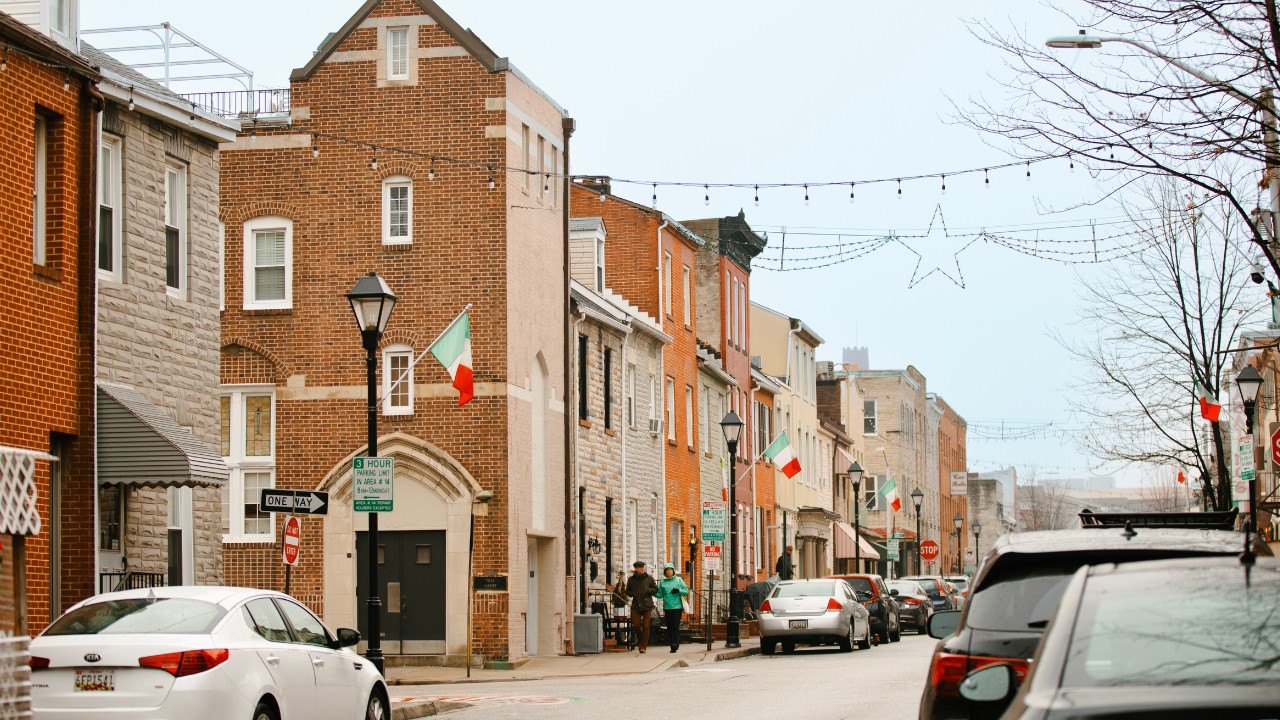
Day said the state “can’t afford to sustain low-density sprawl” because it’s a financial drag on localities. That means leaving in place some rural-urban demarcation around areas like Baltimore, and avoiding fights over densification of farmland.
But some areas block out development entirely, state Sen. Mary Washington said, and there should be a special emphasis on creating policies that encourage local zoning change.
“We’re not really disrupting the over-concentration of certain types of housing in certain communities, if you don’t open up some space,” Washington said. “I don’t want to talk about farmland, because that’s easy, that’s very clear. I’m talking the suburban, exurban areas where covenants and all types of things were put into place.”
And, new policies must also balance trade-offs with realities at the local level, said Dominic Butchko, director of intergovernmental relations at the Maryland Association of Counties.
State policies are put into effect at the local level, where many cities don’t have a lot of staff. Easing housing development also conflicts with sometimes-expensive housing regulations. And infrastructure is a limiting factor, Butchko said.
“Nothing that we’re doing with any of the legislation so far will do anything to make more housing in our rural areas,” he said. “The only thing that will make more housing in rural Maryland is significant investment in infrastructure and outside of that we are not reaching the bar that we need to.”