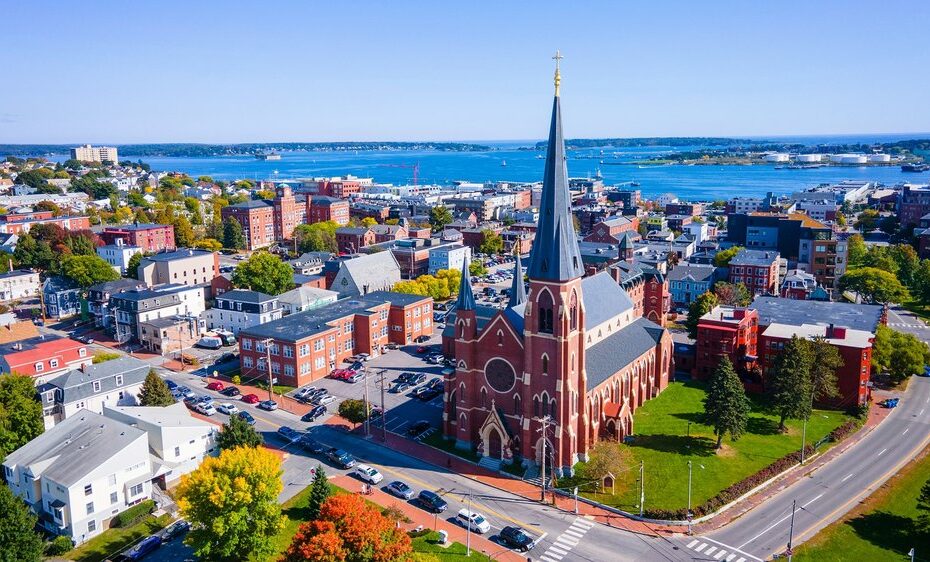
A renters tenant union in Portland, ME, has won a $3.6 million settlement from an area landlord who was accused of illegally raising rent, after months of negotiations.
The settlement was reached on Sunday between the Trelawny Tenants Union (TTU) and landlord Geoffrey Rice. The terms require Rice to reimburse more than a thousand tenants nearly $3 million in overcharged rent dating to 2020, as well as additional fines.
TTU was first formed in 2020 during the COVID-19 pandemic as a “mutual aid” group among neighbors, according to the treasurer of TTU, tenant at one of Rice’s buildings, and former Portland Mayor Ethan Strimling.
The union says it sought to work alongside Rice to keep rent increases and evictions in check during the pandemic. However, the lawsuit claims the landlord repeatedly violated Portland’s Rent Control and Rental Housing Rights ordinance, which went into effect on Jan. 1, 2021.
The ordinance caps annual rent increases at 70% of the Greater Boston inflation rate, as measured by the consumer price index, with a hard ceiling of 10%.
“Passing rent control in Portland was a very significant moment in time where we were just seeing rents go through the roof. It locked everything down in terms of price gouging and instability,” Strimling tells Realtor.com®. “Once rent control was in place, it gave us a very strong tool to continue to monitor our landlord.”
Rice declined to comment on the settlement when reached by Realtor.com.
After years of visits to both court and the Rent Board, Rice and TTU sat down for 20 hours of mediation last week, which resulted in the $3.6 million settlement.
As part of the agreement, Rice agreed to return all rents to the Dec. 1, 2022–compliant amount at all 19 of his properties in Portland, which consist of more than 300 units.
Additionally, Rice will deposit the $3.6 million into an escrow account, where roughly $2.86 million will be used to reimburse over one thousand current and previous residents the full amount they overpaid since June 2020, according to Strimling.
As the union began its process of calculating refunds for tenants, it found one unit where the rent went up $300 more than was allowable in 2020, according to Strimling. For this unit, the total refund will be more than $24,000, going to multiple tenants who lived there over the years.
The union will receive $230,000 from the settlement to cover past and future costs, $250,000 will be paid as a fine to the city of Portland, and $260,000 will remain in contingency to cover possible overages.
Between the rent rollback and reimbursement, Strimling and TTU feel good about the outcome of the mediation.
“The outcome is certainly satisfactory at this point, and now we have to execute it, which will take some time,” says Strimling. “But we feel like the $3.6 million will adequately reimburse the tenants for what was overcharged.”
In return, the union has agreed to file no more complaints against Rice for past violations, and it will assist Rice’s office in bringing rents into compliance.
The rent control ordinance was a big step toward affordability and stability for Portland families, according to Strimling. By basing rent increases on the area’s inflation, tenants can plan for reasonable increases alongside wage adjustments, he argues.
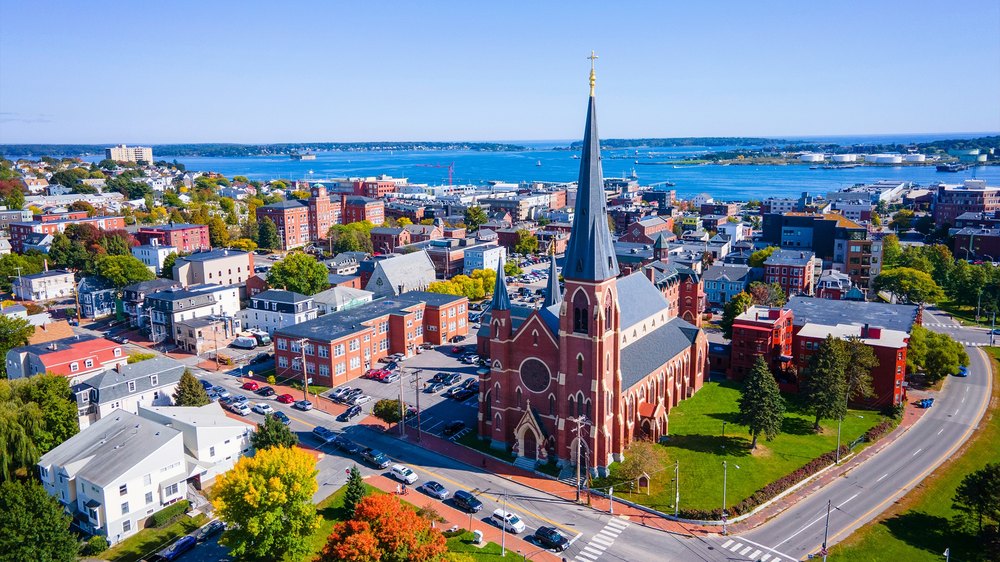
Since 2024, rents in Portland have had allowable increase percentages of less than 3% per year under the ordinance. For 2027, rents will only be allowed to increase by 2.6%.
Critics of the ordinance have argued that restricting rent increases pushes property owners out of Portland and delays improvements or repairs to rental buildings. Strimling points out that landlords making legitimate investments into their properties can go before the Rent Board to get rents adjusted.
“That’s a legitimate path provided in the law. If you can show that you’re losing money because you need to invest in your property, you can get a rent adjustment that can significantly increase the amount you can charge,” he said. “If you’re actually going to do something that helps the tenant, yeah, you can charge more. But you’ve got to show it.”
As a result of the settlement, TTU hopes that landlords recognize that they must comply with the law and maintain fair rental practices. Strimling also hopes that tenants realize there is power in collective action.
“We could not have gotten here as an individual here, an individual there. The only way we did this was by joining together and speaking out in one voice,” says Strimling. “Hopefully tenants, both in Portland, all across Maine, across the country, really start to understand that they have an important voice to play in this housing crisis.”