Kevin Warsh, President Donald Trump’s pick to run the Federal Reserve, faces delays in getting confirmed by the Senate, as a key Republican senator renews his vow to block any confirmation vote.
Sen. Thom Tillis, a North Carolina Republican on the Senate Banking Committee, confirmed Tuesday that he would continue to block any Fed chair appointment until the Department of Justice concludes its criminal probe into Fed Chair Jerome Powell.
Tillis has been sharply critical of the DOJ probe into Powell over his congressional testimony about renovations to the Fed’s headquarters, demanding that the investigation be publicly concluded before he votes to advance any nominee to replace Powell.
Warsh was set to meet with Tillis on Tuesday, but the senator reiterated that there was nothing the Fed chair nominee could say to convince him to end his blockade.
“This is not about people, it’s about process,” Tillis told reporters at the Capitol, according to CNBC, reiterating that he did not oppose Warsh as a nominee, but rather insisted that the DOJ probe be resolved.
The Senate Banking Committee oversees nominations to the Fed, and Republicans will not be able to advance Warsh’s nomination without Tillis, unless Democrats on the panel break ranks to push the confirmation through.
Tillis’ blockade throws the timeline of Warsh’s confirmation vote into question. Powell’s term as chair expires in May, although he has the option to remain on the Fed’s board of governors as a voting member through January 2028.
If the DOJ announces the conclusion of its Powell probe before then, Warsh is expected to have enough support in the Senate to be confirmed. Otherwise, the current members of the Federal Open Market Committee would continue to vote on rate policy until Warsh takes his seat.
Warsh faces challenges after confirmation
Trump, who has pushed loudly for the Fed to lower interest rates, sent his nomination to the Senate on Wednesday, formally naming Warsh as his pick to lead the central bank for a four-year term.
Warsh, a former Fed governor who served during the global financial crisis of 2007–09, has advocated for shrinking the central bank’s balance sheet and cutting interest rates for the benefit of homebuyers and consumers.
However, he may meet stiff resistance on the 12-member FOMC. Last week, several members raised concerns about further interest rate cuts after Israel and the U.S. entered into a war with Iran, warning that rising oil prices could ignite renewed inflation.
Minneapolis Fed President Neel Kashkari, a voting FOMC member, said Tuesday that the war in Iran may create conditions that justify an extended pause in rate cuts.
“Before Iran, it seemed like things were gently heading in the right direction,” Kashkari told The Wall Street Journal regarding inflation. Now, he says the Iran war could complicate that picture by delivering higher inflation on the one hand and a shock to consumer confidence on the other.
“Not being able to size those two things probably puts more weight on sitting tight for a while,” he said.
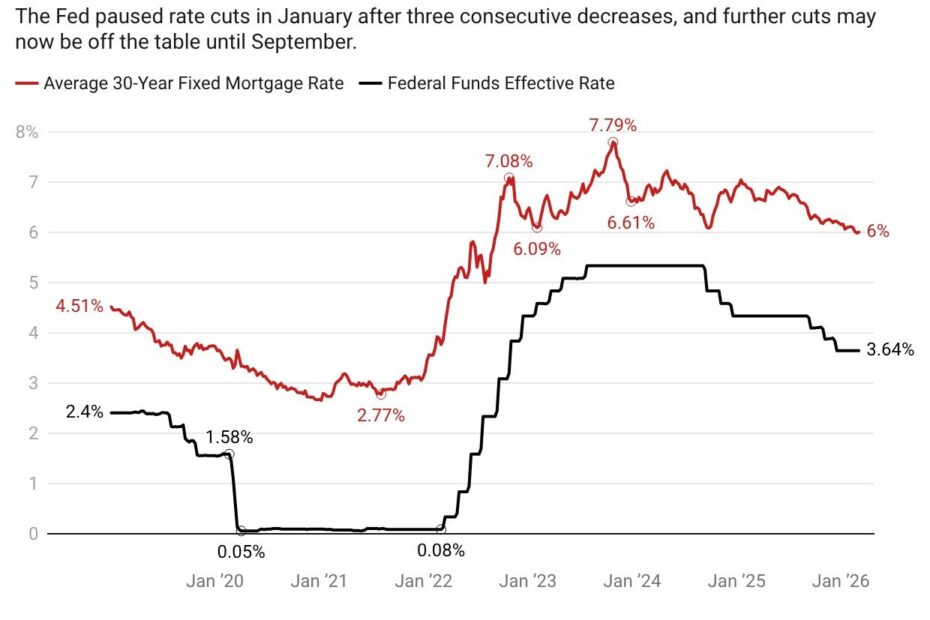
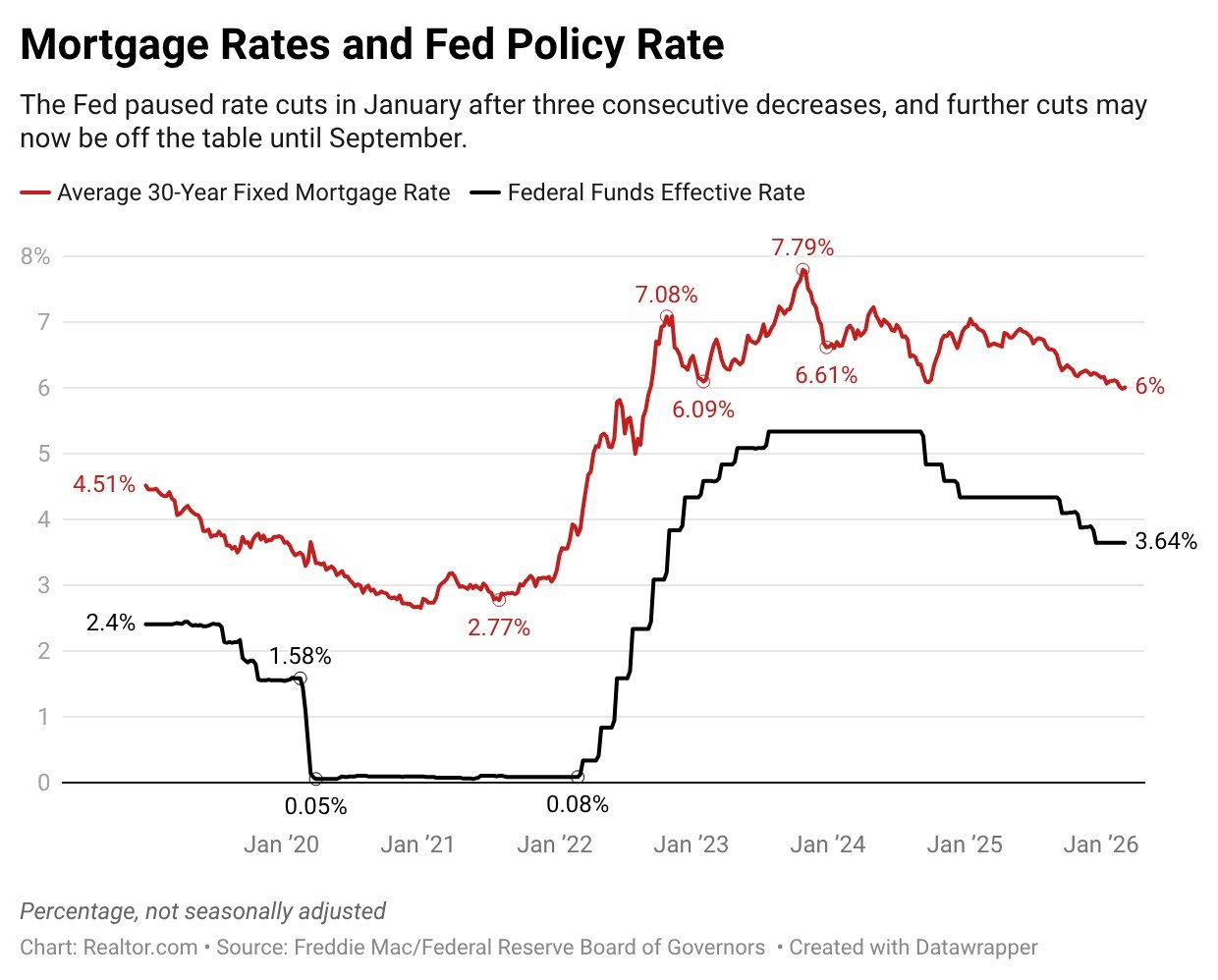
The FOMC will take its next vote on rate policy on March 18. It is widely expected to keep the Fed’s benchmark overnight rate unchanged in the current range of 3.5% to 3.75%.