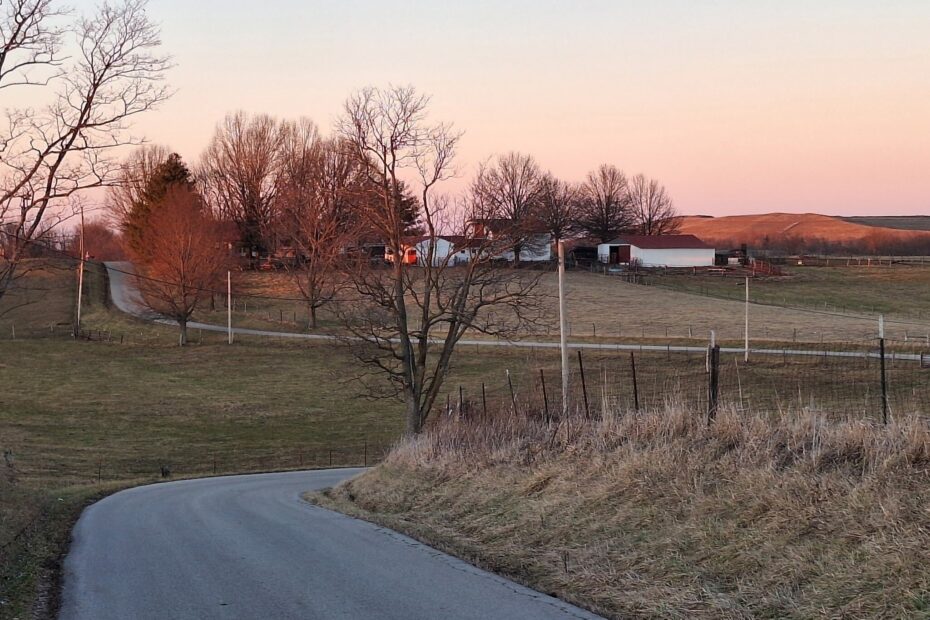
In rural Mason County, KY, an unnamed Fortune 100 company’s grand plan to build a billion‑dollar data center has run into a formidable obstacle: farmers who say they will not sell their land at any price.
The clash is turning this normally quiet corner of northern Kentucky into a flashpoint in the national debate over the massive data centers needed to power the artificial intelligence boom.
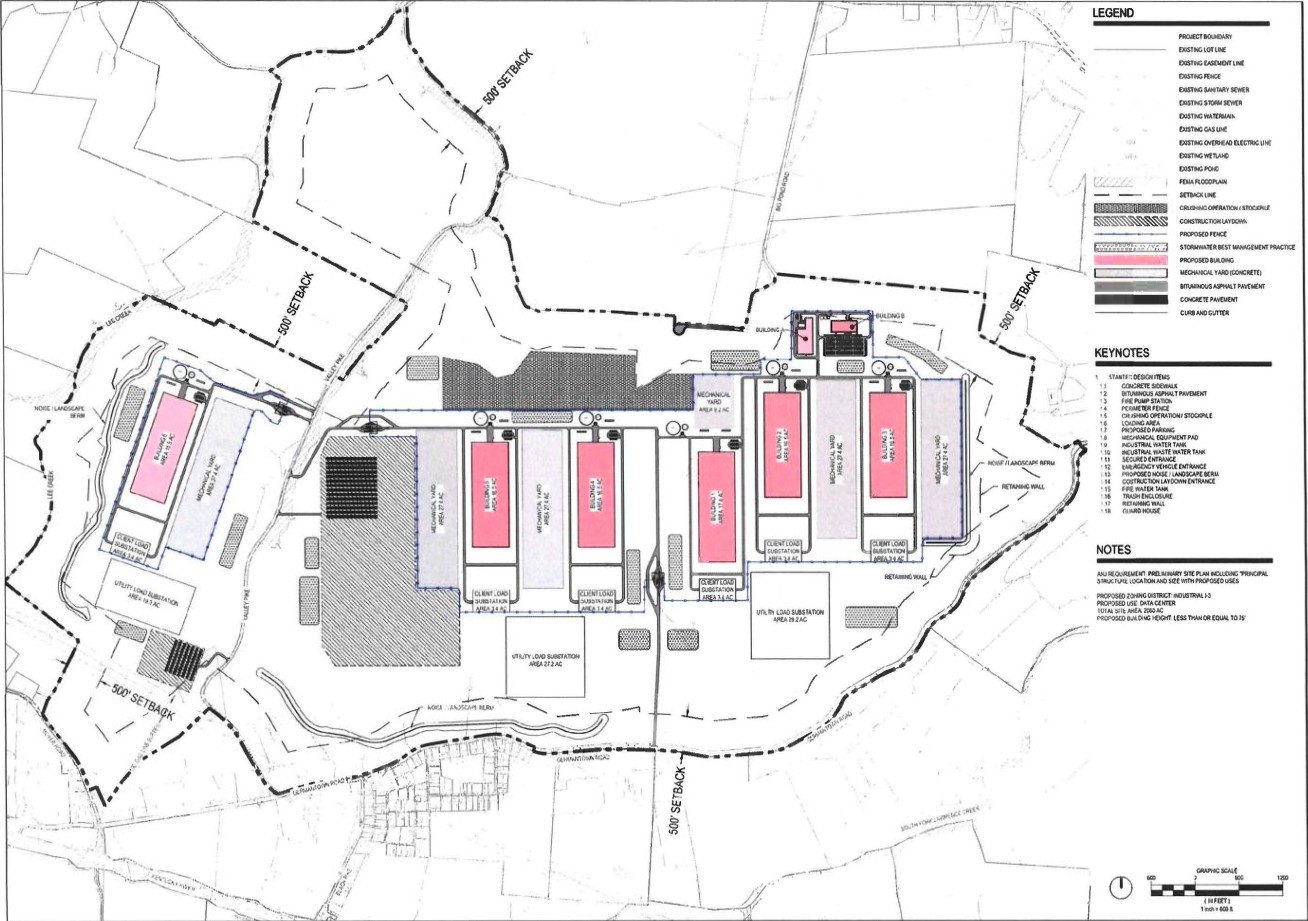
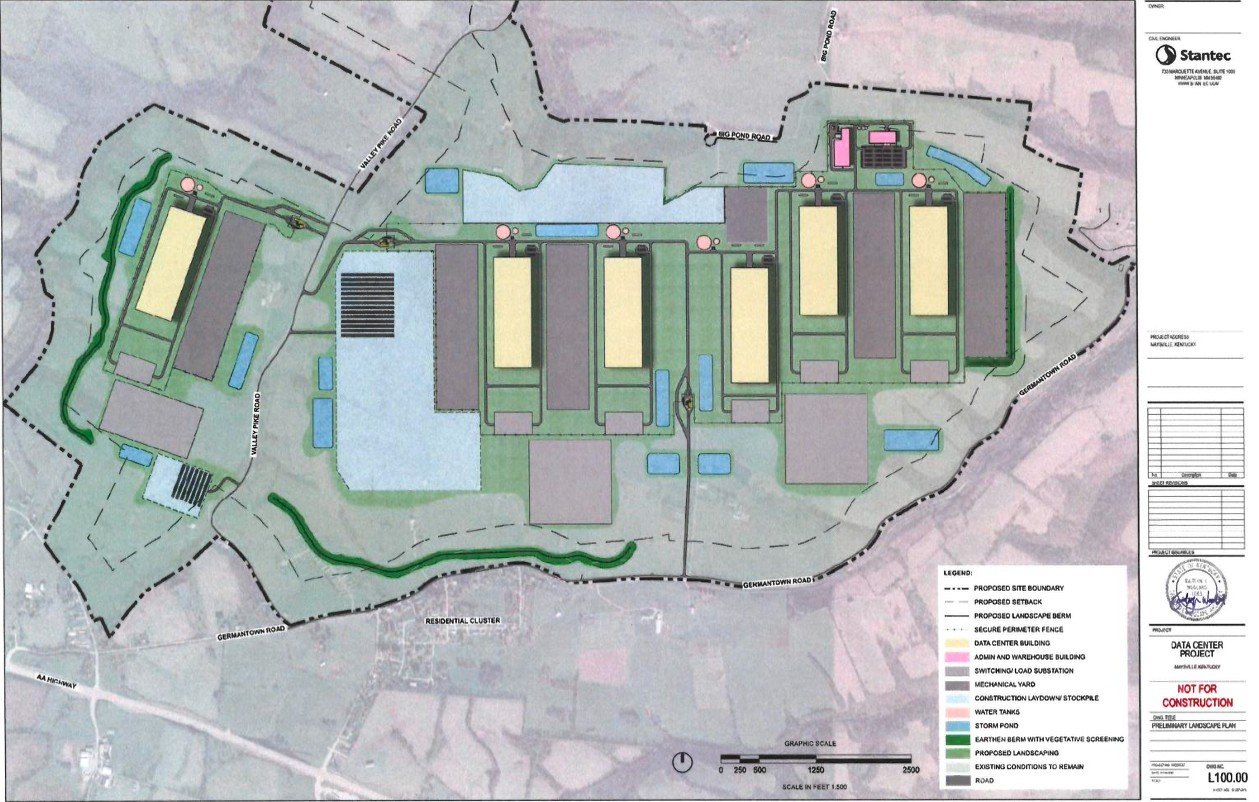
Pitched by local officials as a once‑in‑a‑generation economic opportunity for the county of about 17,000 residents, the planned data center would be built on 2,080 acres of farmland off Big Pond Road outside Maysville. The massive campus would span nearly three miles across, planning documents show.
County economic development leaders claim the project would bring some 400 full‑time jobs and more than 1,500 construction positions, saying the data center would instantly rank among the area’s largest employers. Supporters argue that the development could invigorate a sleepy local economy long dependent on agriculture and manufacturing.
But some landowners at the heart of the project say they want no part of it. Delsia Bare, whose family owns a significant chunk of farmland in the project footprint, says they are refusing a $26 million offer from the project’s mysterious sponsor.
“There is no price on earth enough for what they are getting ready to do,” she tells Realtor.com®. “There’s no replacing what they’re getting ready to destroy.”
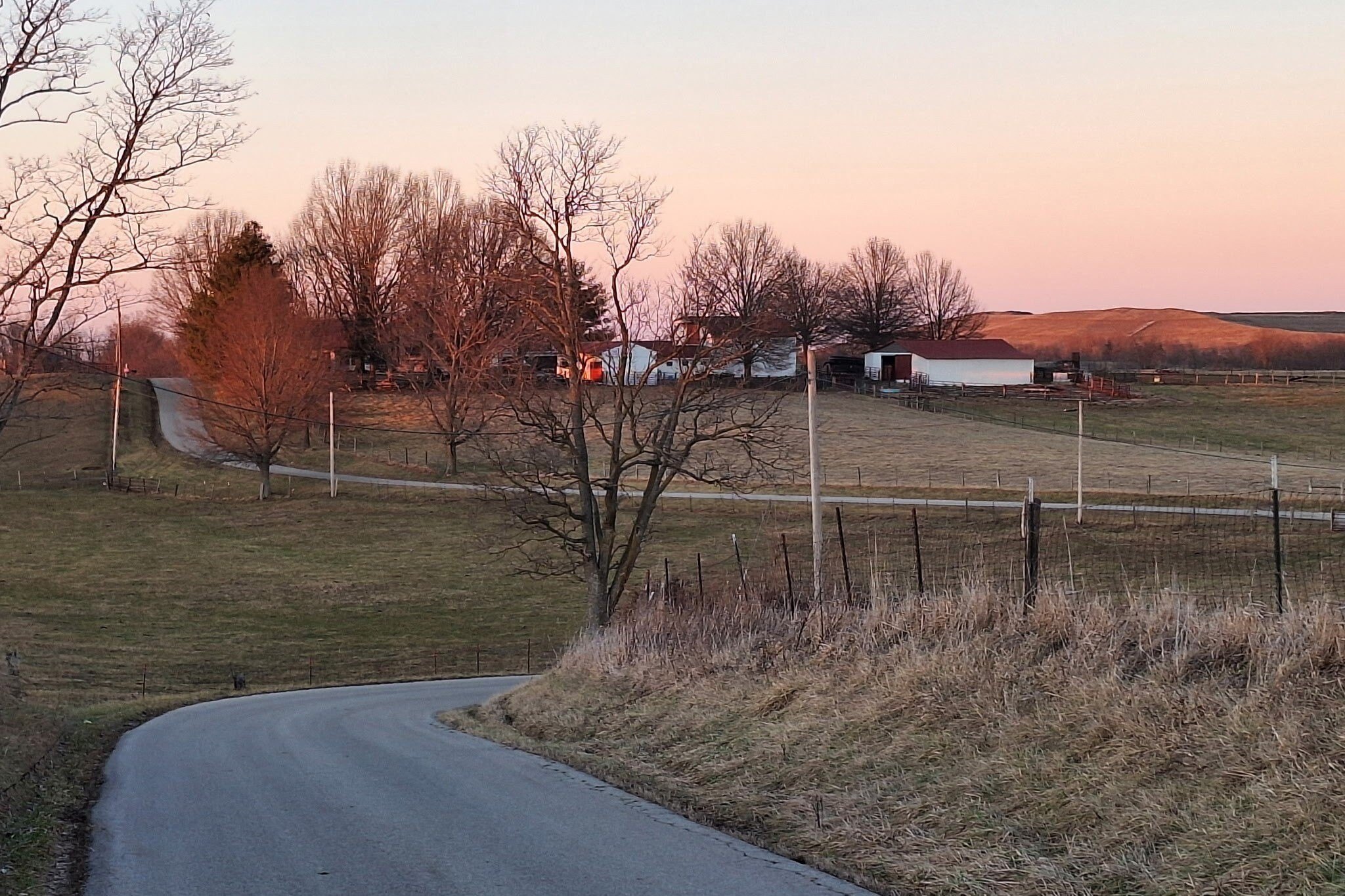
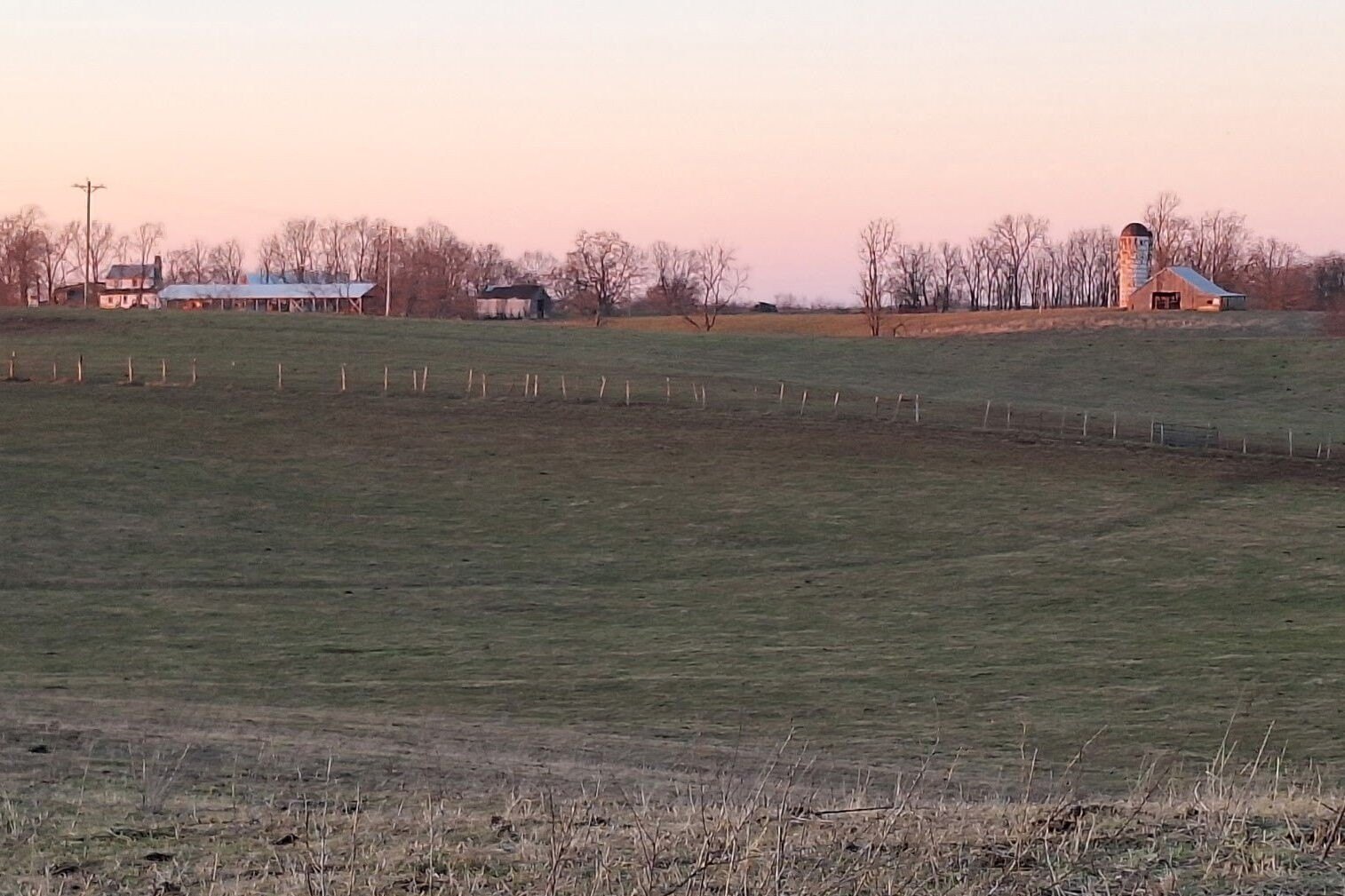
Bare, whose family has owned parts of their farm since the 1860s, is concerned that the massive project would ruin the local landscape and have a detrimental impact on the remaining farms in the area.
“The quietness and the beauty of nature, of the trees, and everything that’s there, it’s all going to be destroyed completely,” says Bare. “To give up this kind of beauty, just so people can sit there and play with computers.”
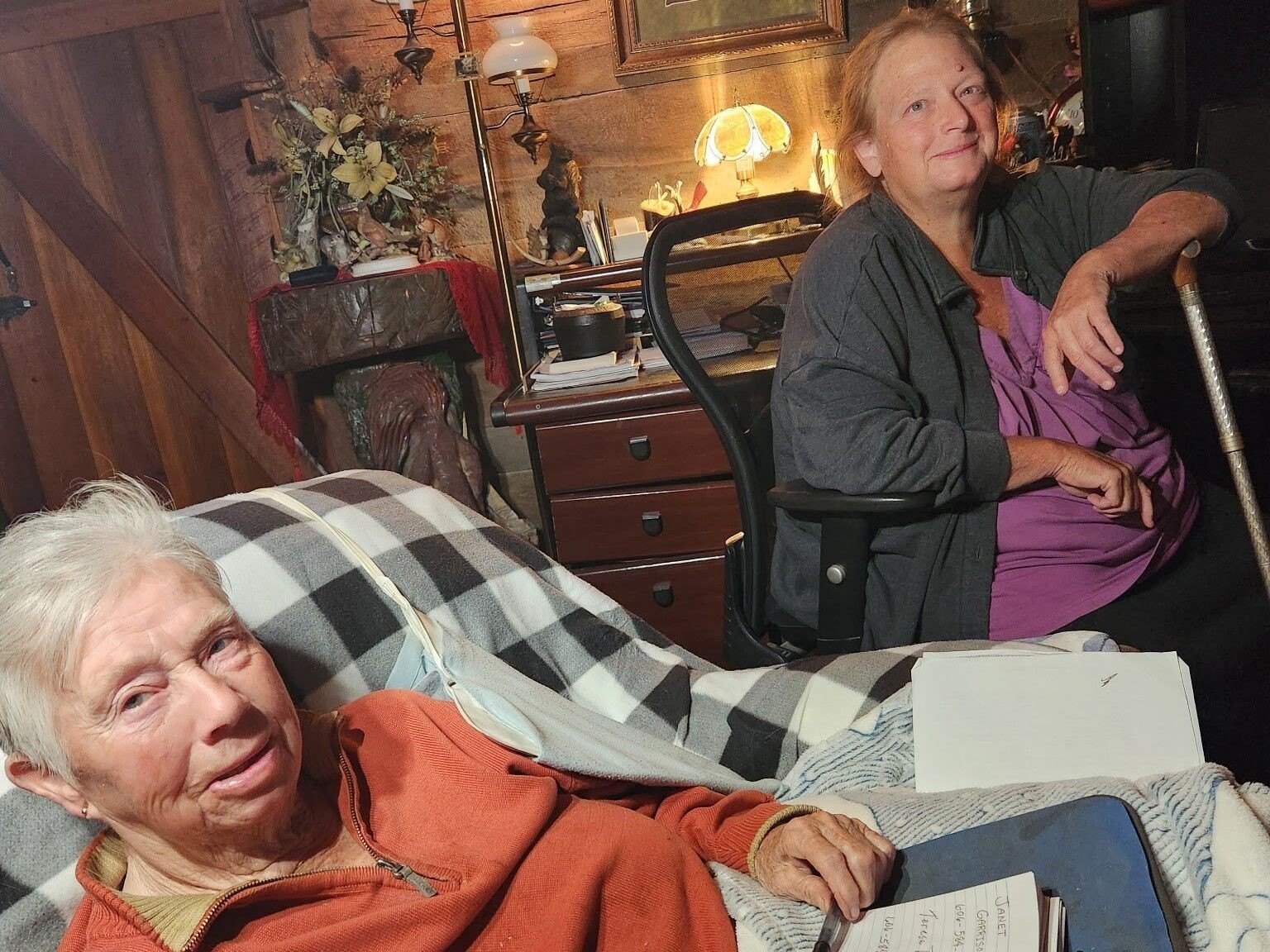
Bare turned down an eye-watering offer of $48,000 an acre for her 463‑acre farm, and her mother Ida Huddleston rejected an even richer offer of $60,000 per acre for her 71-acre farm.
The intense secrecy around the project has only exacerbated the concerns of local landowners, who have only been approached by intermediaries who refuse to name the company behind the planned data center.
Local officials have said only that the developer is a Fortune 100 technology company, citing nondisclosure agreements that bar them from naming the firm publicly. That kind of secrecy has become standard in the race to build AI‑ready data centers, with tech giants insisting on NDAs with local governments and landowners to shield project details from early scrutiny.
A recent NBC News review of dozens of projects across the country found that in a majority of cases, officials signed NDAs while negotiating tax breaks and land deals for data center proposals. The companies involved argue such secrecy is needed to protect confidential business plans, but critics argue it’s a buffer against community input on such projects.
The Mason County fight echoes similar disputes from Iowa to Washington state, where farmers have walked away from multimillion‑dollar offers rather than see cropland and orchards turned into server farms.
In Pennsylvania, one farmer turned down $15 million from a data center developer, saying the land represents his life’s work and a legacy he refuses to cash out.
Across these communities, residents worry about surging electricity demand, water use for cooling, and round‑the‑clock noise from backup generators and cooling equipment. Critics also question whether the facilities, which employ far fewer workers than traditional factories, justify the heavy public subsidies they often receive.
Officials promise economic growth
In Mason County, officials insist the project’s boost to jobs and the tax base would be transformative.
“As far as jobs would go, they would become, if not our largest employer, definitely top three,” Tyler McHugh, economic development director for the Maysville‑Mason County Industrial Development Authority, told WLEX-TV.
But landowners and neighbors are deeply skeptical, predicting that once construction ends, the permanent workforce will be tiny relative to the massive scale of the project.
“We are not anti–data center or anti–progress at all. I don’t want people to paint us like that. But we want this thing to go in an industrial park,” says Janet Garrison, treasurer for the nonprofit community group We Are Mason County. “They want farmland, and that’s just not a very efficient use of 2,000 acres when they might only hire 50 people.”
Garrison says that the county’s industrial park has vacant land that is ready for use, and questions why the mystery company can’t adopt a multistory building plan to fit the smaller footprint there.
Huddleston and Bare are not alone in resisting the encroachment into farmland. Earlier reporting in the county highlighted another farming family that turned down nearly $8 million for their land in the same project area.
All told, at least 20 residents have been offered deals, and 18 have signed agreements to sell to the unknown company if the project proceeds, according to McHugh.
For now, the fate of the Mason County project rests with local officials. The Mason County Fiscal Court is still reviewing the proposal, and a recently passed ordinance tightened rules on data centers, increasing the required setback from homes from 500 to 750 feet.
That change reflects growing unease about how close the industrial complex could come to people’s backyards, even if they choose not to sell.
But the clock is ticking. On March 11, officials erected signs warning residents of a proposed zoning change to the project site, starting a 14-day countdown to public hearings on the rezoning.
Meanwhile, Bare insists that nothing will convince her family to sell. It remains to be seen whether their resistance, and the concerns of other neighbors, can stop the onward march of Big Tech.