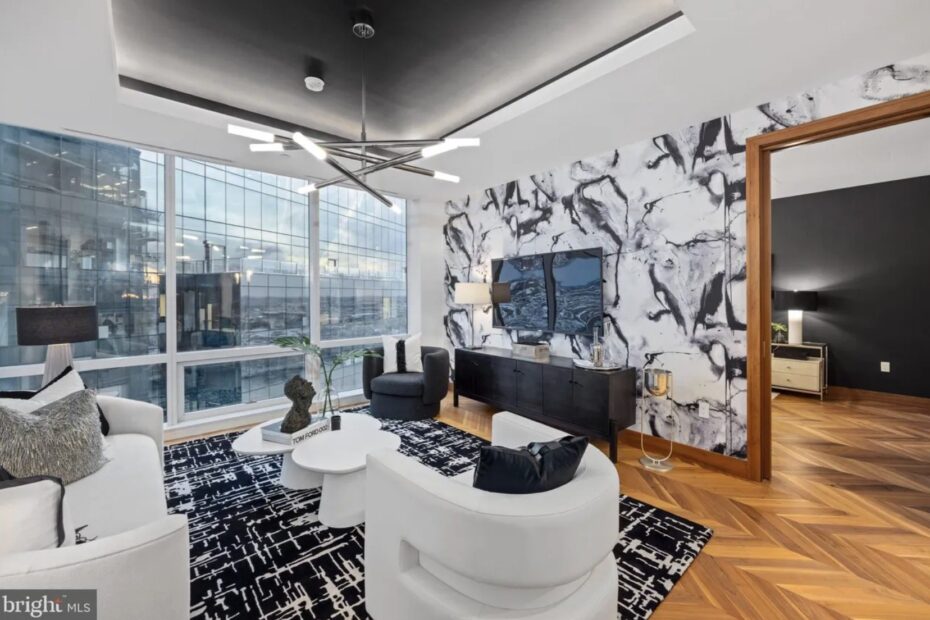
A trio of Baltimore real estate investors are suing the developers of a high-profile luxury condominium, claiming they artificially inflated true sale prices in public disclosures and kept them in the dark about the building’s deficiencies.
The complaint, filed in Baltimore Circuit Court in mid-February by limited liability companies representing the investors—and first reported by The Baltimore Banner—revolves around Four Seasons Private Residences, which opened in the city’s Harbor East neighborhood to much fanfare in 2017.
Significantly scaled back from its original ambitious scope due to the Great Recession, the 62-unit condominium now occupies the upper floors of the 29-story Four Seasons hotel at 300 International Drive.
The project was developed by Harbor East Parcel D-Residential LLC—the corporate entity owned by the prominent Paterakis family. Founders of the H&S Bakery empire, the family have been heavily involved in the revitalization of the Harbor East neighborhood since the 1990s.
Once envisioned as a 44-story, 150-unit glittering centerpiece of Baltimore’s fledging luxury market, the downsized condo development has struggled to attract deep-pocketed buyers as the surrounding city faced an uphill battle to overcome its persistent reputation as a poverty-stricken, crime-ridden metro immortalized by HBO’s “The Wire.”
Baltimore’s image suffered a further blow in 2019, when President Donald Trump infamously slammed Charm City as “a disgusting, rat and rodent infested mess” amid his public feud with civil rights icon Rep. Elijah Cummings.
Roughly a third of the units in the sleek condo tower remain unsold nearly a decade after its unveiling, according to the report.
As of Friday, there were seven units in the steel and glass tower listed on Realtor.com®, with prices ranging from $300,000 for a small one-bedroom headed for auction to $3.68 million for a three-bedroom.
Observing the sluggish sales, property investors Aeron Alberti, Joseph Avampato, and Brentin Hess sensed an opportunity. The trio teamed up to set up nine limited liability companies, took out millions of dollars in loans, and scooped up 11 units among them.
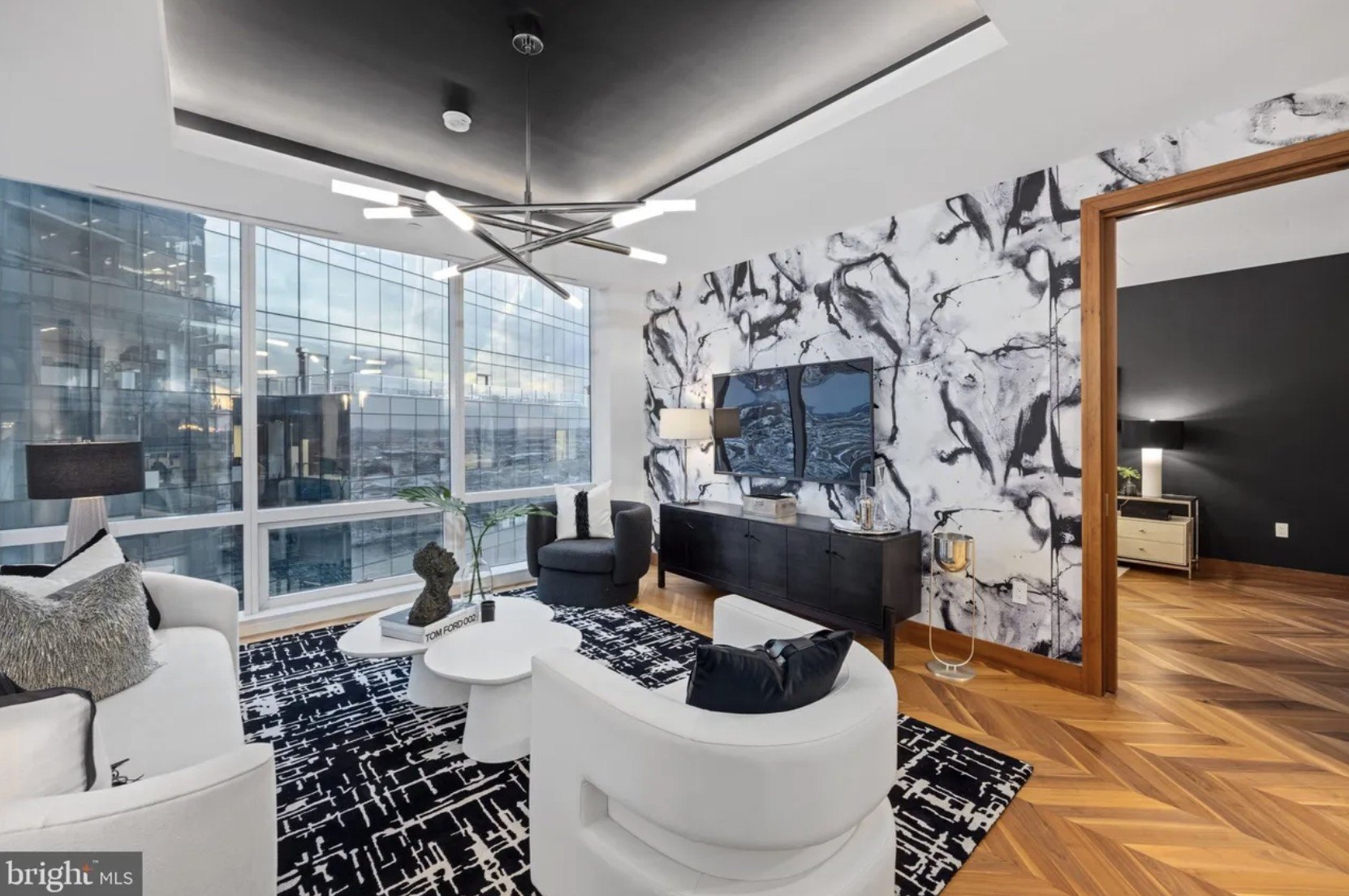
Alberti, an experienced house flipper in the Baltimore area who personally owns eight condos at Four Seasons Private Residences, told The Baltimore Banner that after he and his partners were unable to refinance their loans—their efforts derailed by the fallout from an unrelated suspected real estate scheme—they learned that the developer had allegedly used excessive seller credits to inflate publicly disclosed sale prices.
Seller credits, also known as repair credits, are funds offered by the seller to the buyer in lieu of fixing issues before closing, and they are typically negotiated after a home inspection.
Credits are not handed out in cash. Instead, they could be used toward closing costs, or applied to the sale price, which would reduce the buyer’s loan amount.
According to the investors’ lawsuit, the seller credits offered to condo buyers at Four Seasons Private Residences were unusually large.
In one instance, the buyer of a unit that sold for nearly $590,000 received more than $100,000 in seller credits, effectively reducing the true sale price to $480,000 while leaving the higher price on the public record, the complaint reportedly stated.
“Those prices that you see these properties being sold for is not what they actually sold for,” Alberti told the Banner this month.
Realtor.com reached out to defense attorney David J. Shuster, who is representing the developer, for comment. In a statement to the Banner in early April, the lawyer said the claims in the lawsuit were without merit.
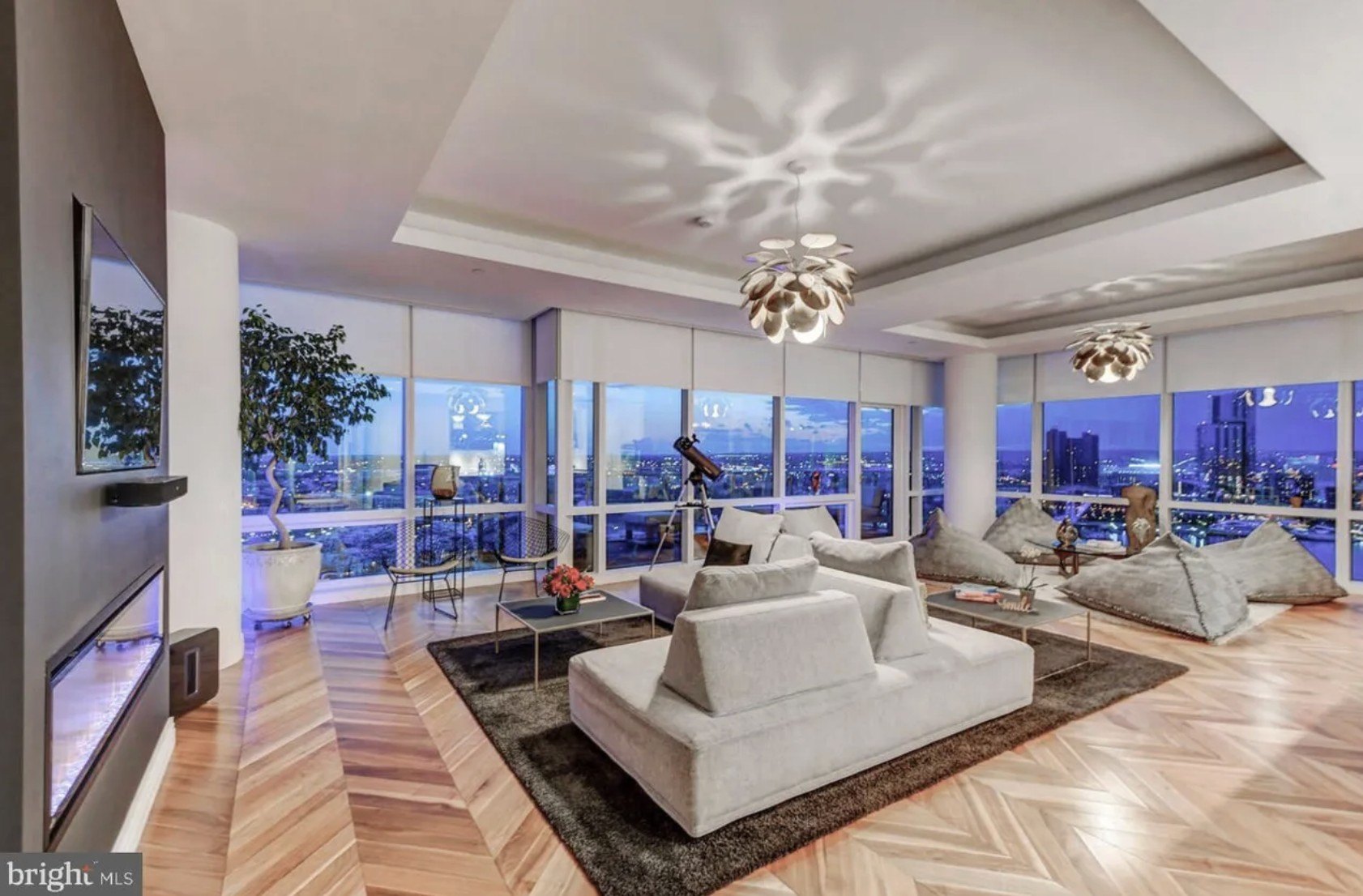
(Realtor.com)
The plaintiffs also allege that when they purchased the 11 units, which they were planning to rent out, they were not told about the building’s plumbing problems that allegedly left some of the properties sloshing with sewage water.
Taken together, the plaintiffs contend that they are now stuck with overvalued condos that are worth less than public records indicate, compounded by high monthly condo fees.
The developer has denied the claims outlined in the complaint and on Thursday filed a motion to dismiss, which is currently pending, according to the court docket. This follows a judge’s recent approval of the defendants’ motion to pause discovery.