Homebuilder Lennar says it cut the average price of its homes 10% last quarter amid weak demand from homebuyers struggling with affordability and worried about the economy.
In a quarterly earnings report Tuesday, Lennar revealed its average sales price was $386,000 for homes delivered in the three months that ended in November. That’s down from $430,000 in the same period last year, a price cut of $44,000.
Lennar said the price cuts were primarily due to an increased use of sales incentives offered to homebuyers, which the company used to boost home deliveries by 4% year over year despite ongoing weakness in the housing market.
“To address continued market declines, we maintained approximately 14% in incentives and price adjustments, while continuing to focus on volume,” said CEO Stuart Miller. “While affordability and consumer confidence have remained challenging as interest rates moderated, we have focused on adapting to a new normal as the market finds its footing.”
Looking forward, Lennar expects its average sales price of homes sold from December through February will be between $365,000 and $375,000. That would be down from $408,000 for the same period last year, a discount of roughly 8% to 10.5%.
The steep discounts have put Lennar’s profit margins under pressure, with the company’s 17% margin on home sales coming in below the 17.5% Wall Street had expected.
Lennar expects its gross margin on home sales to fall to between 15% and 16% in the current quarter, also lower than the 16.9% forecast that analysts had expected to hear.
That news sent Lennar’s stock lower, with the shares down 3% at the opening bell on Wednesday.
“The biggest source of pressure on builders, which is also the main thing holding back the resale market, is weak buyer demand,” says Realtor.com® Senior Economist Joel Berner. “Stubbornly high mortgage rates combined with the rising cost of living and heaps of economic uncertainty are making would-be homebuyers reluctant to purchase and more demanding of bargains.”
Berner notes that in addition to a weak housing market, homebuilders are also facing rising costs due to tariffs and labor shortages, adding pressure to move inventory off of their balance sheets.
“In response, builders are cutting prices and offering attractive buyer incentives to entice home shoppers to choose them over sellers of existing homes,” he says. “This is great news for buyers who can find exceptional deals on newly built homes right now, but it is also likely an indication that new construction activity will slow down in coming years as builders’ profit margins get squeezed even further.”
Lennar CEO calls for renewed focus on affordability
On a call with investors Wednesday, Miller delivered impassioned remarks about the housing affordability crisis, calling on the government and industry to work together to advance practical solutions.
“The current housing market is entrenched in an affordability crisis, leaving many average American families feeling excluded from the traditional promise of upward mobility and home ownership,” he said.
Miller warned that unless private industry works to achieve “tangible, practical strategies” to restore affordability, sweeping “socialist solutions” could gain traction with “broad promises of free and readily accessible resources.”
“Inflation and short supply have kept home prices higher. Supply remains constrained in most most markets driven by years of under production and additionally, new construction has slowed recently, exacerbating the chronic supply shortage,” he said.
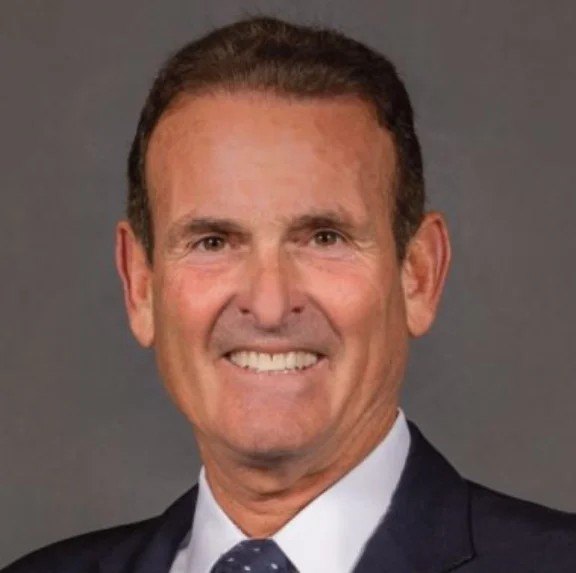
However, Miller argued that simply flooding the market with new homes to bring prices down would be an inadequate solution, as it would diminish property values for existing homeowners, further weakening consumer confidence.
“Moreover, if builders are unable to achieve sufficient returns, they may be forced to slow or halt construction, disrupting the production levels needed to address ongoing supply shortages in the housing market,” he said.
Miller said the federal government’s recent focus on the national housing crisis was a positive development, predicting “a strong likelihood of taking decisive action to enhance affordability.”
President Donald Trump has repeatedly vowed to tackle the housing crisis, including issuing an order for “emergency price relief” on the first day of his second term. And in September, he declared his intent to expand “affordable homeownership” to millions more families.
Trump has primarily focused on mortgage rates, publicly pressuring the Federal Reserve to lower its short-term policy rate in the hope that it would bring down longer-term mortgage rates.
Meanwhile, Congress is working toward a package of housing measures, with the House Financial Services Committee this week holding a markup of a bill that would streamline permitting and make other changes aimed at improving affordability.
Miller praised federal officials for engaging with homebuilders and industry associations as they consider solutions to the housing crisis.
“Although the specifics of potential programs remain to be seen, it is clear that significant attention is being paid to developing impactful initiatives while thoughtfully considering possible unintended negative consequences,” he said.
“Despite the public scrutiny and debate surrounding various pros of proposed programs, it is encouraging to see that many bold ideas are being carefully elevated with the goal of improving affordability.”