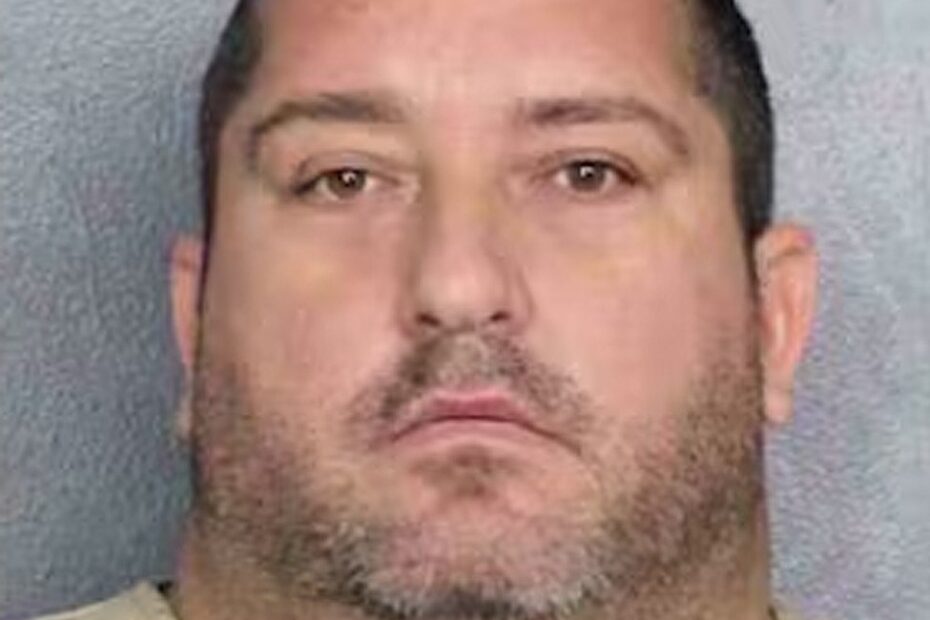
A property management company owner in Florida is facing charges of scamming people out of $1 million between 2021 and 2025, according to police.
Michael Curtis, 38, has been accused of stealing at least $600,000 from homeowners at the Windmill Lakes Condominium Community in Pembroke Pines, FL.
“We received multiple complaints from Windmill Lakes homeowners regarding Mr. Curtis, which instigated our initial investigation,” Amanda Conwell, the public information officer for the Pembroke Pines Police Department, tells Realtor.com®.
Conwell says the comprehensive, multiyear investigation began in February 2023.
Detectives reportedly found property management irregularities, lapsed insurance coverage, missing or improper board elections, and a forgery scheme involving stolen association funds.
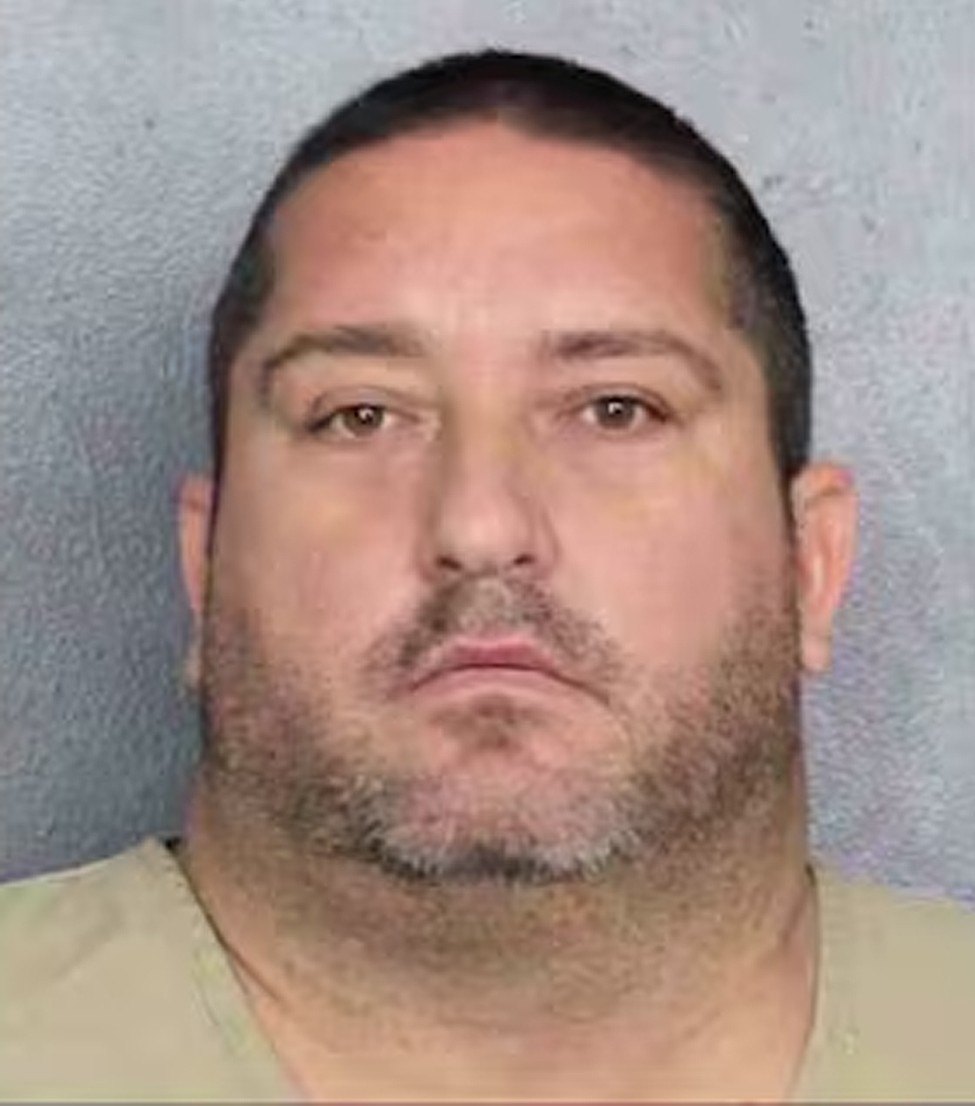
(City of Pembroke Police Department)
Curtis allegedly forged signatures on more than 350 checks and legal documents relating to the HOA.
During the review of records, detectives found an insurance payment intended for hurricane disaster relief that included a management fee payable to Curtis. However, evidence was uncovered that showed Curtis fabricated management fees totaling $46,000 that were beyond the eligible payment.
“The entire investigation found that nearly $600,000 was unlawfully obtained by Curtis, and it is believed that other unauthorized payments could exceed $1,000,000,” said a media release shared with Realtor.com.
Curtis has been charged with first-degree grand theft and criminal use of personally identifiable information, according to Broward County court records.
He was released on a $22,500 bond, and his arraignment is scheduled for Feb. 10.
“This case shows a checks-and-balances failure,” attorney Chad D. Cummings, of Cummings & Cummings Law in Florida, tells Realtor.com. “This isn’t unique to HOAs and COAs. Large accounting scandals—think WorldCom and Enron—all arose from the same basic cause: a lack of internal controls. It all comes down to this: You cannot have one person running the show.”
Prosecutors in Broward County have additionally filed two separate cases against Curtis, accusing him of stealing more than $500,000 from two other condominium associations he managed. Curtis has been arrested and arraigned in connection with the active cases, which center on insurance settlement funds intended to repair damage caused by Hurricane Irma in 2017.
He has pleaded not guilty to those charges.
Elias R Hilal, Curtis’ attorney, told the Miami Herald this is a business contract dispute being pushed as a criminal case, which he says it is not.
“This is Mr. Curtis’ third arrest, tied to the same personal vendettas and the same underlying dispute,” Hilal said in his statement to the Herald. “He unequivocally denies wrongdoing, and we will be litigating aggressively to defend his name. When the evidence is laid out, the allegations won’t hold.”
Realtor.com reached out to Hilal, but did not hear back.
In October, Curtis’ property management company prevailed in a civil lawsuit that accused him of taking nearly a half-million dollars from the Fairways of Sunrise condo community in Sunrise, FL.
The Florida Department of Business and Professional Regulation revoked Curtis’ Community Association Manager license in 2024. He appealed the decision to the First District Court of Appeal, which upheld the revocation last month, court records show.
New condo law has gone into effect in Florida
New provisions to a Florida condo law went into effect on Jan. 1, requiring condo associations to be more transparent—which could prevent fraudulent activity like this in the future.
According to the new law, condo associations with 25 or more units must now maintain a website where they post required documents such as bank statements and ledgers.
“This new law drags the association’s paperwork into daylight,” says Cummings, “and that helps owners spot trouble early.”
Cummings also tells Realtor.com that, in his opinion, HOAs should also require dual signatures or dual approval for all disbursements, segregate operating and reserve accounts, lock down online banking access, mandate monthly bank statement delivery direct from the bank to a director, order an annual CPA audit or review tied to bank confirmations, and require fidelity bond coverage sized to reserves and expected insurance proceeds.
“These steps would make it much more difficult for any director to run the association like his or her personal piggy bank,” he says.
Proposed bill in Florida could give residents the power to dissolve HOAs
Meanwhile, a newly introduced bill by Florida state Rep. Juan Porras would allow residents to vote to dissolve their homeowners associations altogether.
The proposal would permit homeowners to disband an HOA by majority vote, marking a significant potential change in a state that has the nation’s second-highest number of HOAs.
The legislation remains in its early stages.
In January, members of the Housing, Agriculture, and Tourism subcommittee voted unanimously for the measure, but some said it needed more work.
It passed the House Civil Justice and Claims Committee on Feb. 3 and now moves on to the Budget Committee.
“There is still a lot of work ahead, but the fight to protect homeowners who are stuck in unfair and abusive situations is far from over,” Porras wrote on Facebook. “This is an issue I deeply care about, and I will not stop pushing until real accountability and fairness are restored. Homeowners deserve transparency, balance, and I’m committed to seeing this through.”