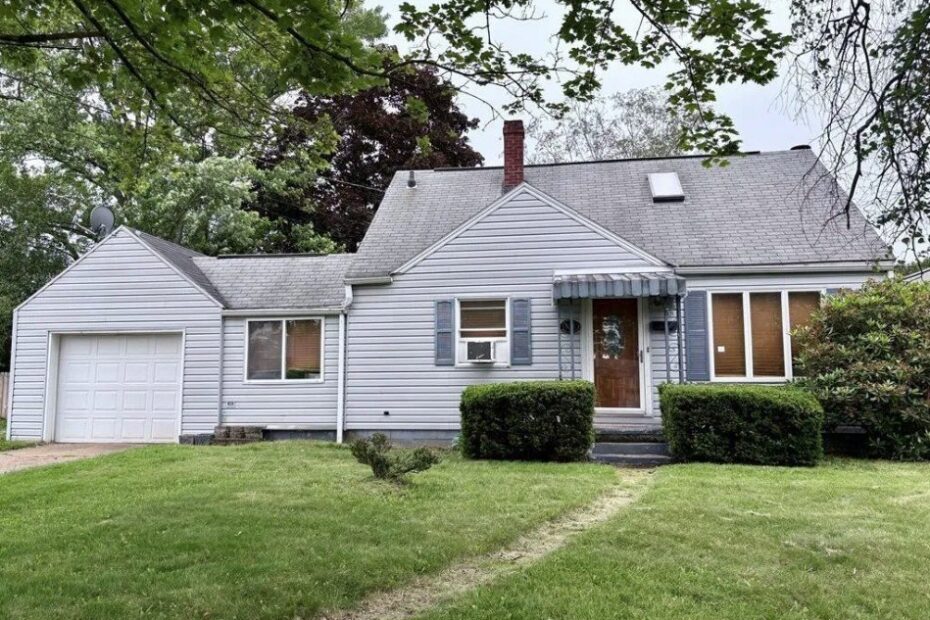
Americans dreaming of homeownership are facing many hurdles, including elevated mortgage rates, sticky prices, and surging insurance premiums and property taxes—yet a handful of pockets of affordability still offer determined buyers a way in.
Nationally, the number of affordable metros has plunged by 40% over the last decade, dropping from 354 in 2014 to 212 in 2025, according to a new report from real estate analytics firm Cotality.
At the same time, ultra-affordable markets all but vanished, with just four of the most budget-friendly metros remaining across the U.S. by 2025, down from 41.
“The ‘affordability desert’ has fully engulfed the West Coast and major Eastern hubs like New York City and Miami, leaving the Midwest and segments of the South as the final anchors of median-income accessibility,” writes Cotality principal economist Archana Pradhan.
The good news is that motivated buyers can still become homeowners without breaking the bank if they know where to look.
Ten metros, in particular, stand out for having the highest levels of housing affordability, measured by the minimum annual income needed to cover monthly housing costs. Those costs extend beyond mortgage payments to include what Cotality researchers refer to as escrow expenses—property taxes, insurance, and private mortgage insurance, or PMI.
Rust Belt metro leads the most affordable markets
Located in the heart of the Rust Belt, Johnstown, PA, tops the ranking of the nation’s most accessible housing markets.
Based on Realtor.com® data, the typical home in Johnstown cost approximately $117,000 in 2025. A local buyer requires an annual income of just $32,000 to purchase the median-priced house—assuming a down payment of 15%—and cover monthly expenses amounting to roughly $800.
This calculation made by Cotality’s researchers takes into account the “30% rule” suggesting households should spend no more than 30% of their gross monthly income on housing.
With a population of nearly 18,000 people, Johnstown is the largest city in Cambria County with a rich steel industry history. It is perhaps best known for being the site of the devastating flood of 1889 triggered by a catastrophic dam failure that left more than 2,200 people dead.
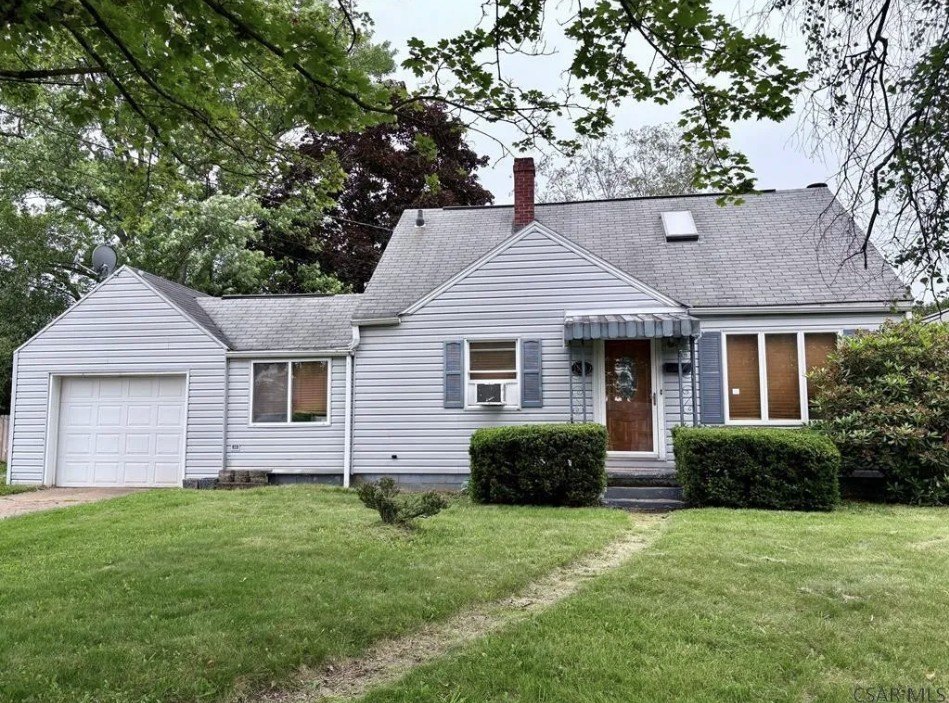
Johnstown’s affordability should come as no surprise: It is located just 50 miles east of Pittsburgh, where the median listing price was $235,000 in January—the second-lowest amount among the 50 largest metros in the U.S., according to the latest monthly housing market trends report from Realtor.com.
“This affordability stems from slow economic growth, modest demand, and plenty of housing stock, unlike faster-growing metros where prices rise due to higher demand and limited supply,” Pradhan tells Realtor.com.
Weirton, WV, ranked as the No. 2 most affordable market, with a minimum required income of $37,165 needed to afford $930 in monthly housing costs.
Gadsden, AL, took the bronze ($34,693), followed by Wheeling, WV ($41,899), and Decatur, IL ($49,820), rounding out the top five.
Other pocketbook-friendly cities identified by Cotality include Bay City, MI; Enid, OK; Altoona, PA; Springfield, IL; and Beckley, WV.
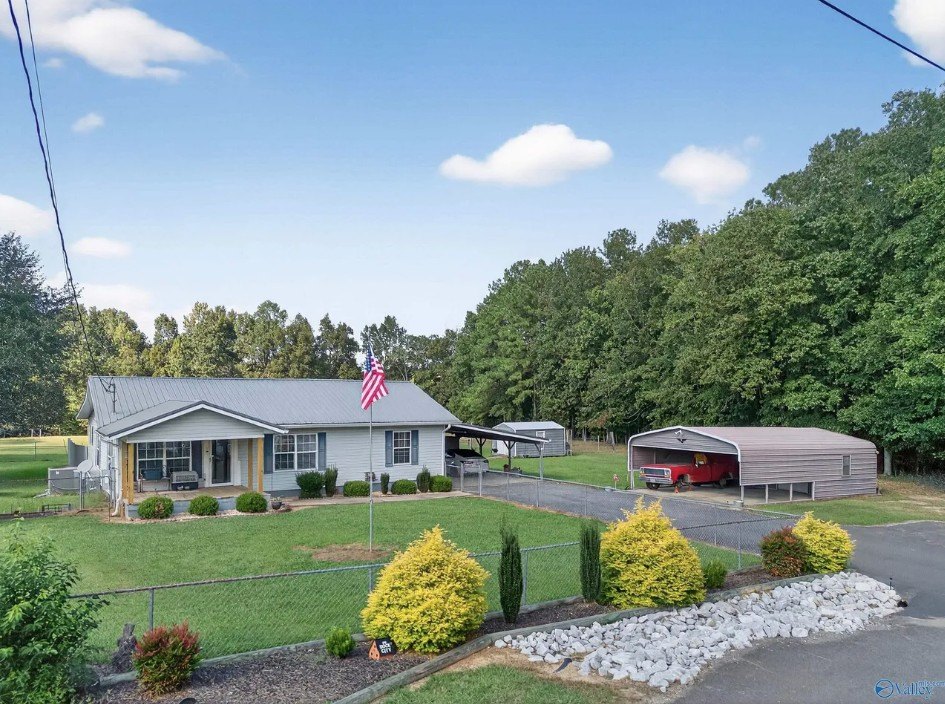
“These markets, largely concentrated in the Midwest and South, stand out as rare pockets of affordability in the otherwise challenging housing market,” says Realtor.com senior economic research analyst Hannah Jones. “These areas boast low home prices, making it much easier for households to achieve homeownership.”
Notably, none of the 10 metros recorded a median asking price above $270,000 last year. Most, however, carried a heavy “escrow burden,” with taxes, insurance, and related costs accounting for 30% or more of monthly housing expenses.
The Cotality economist predicts that as long as local demographic and economic trends remain steady, cities like Johnstown and Gadsden are expected to remain affordable.
Coastal areas turn into ‘affordability deserts’
On the other side of the spectrum, Anaheim, CA, in the Greater Los Angeles metro tops the list of the nation’s least affordable housing markets.
According to the Cotality report, a would-be buyer in Anaheim must earn an annual income of about $319,000—10 times the required income in Johnstown—to afford the $7,974 monthly housing expense.
In fact, California decisively dominated the top 10 least affordable ranking with eight entries, including
L.A., with a minimum required income of $248,561, Salinas ($240,169), and San Francisco ($406,557).
Outside the Golden State, New York City came in fourth ($236,827) and Kahului, HI, seventh ($237,159).
The 10 most affordable housing markets
1. Johnstown, PA
Minimum required income: $32,261
Median listing price: $117,583
Monthly housing expenses: $807
2. Weirton, WV
Minimum required income: $37,165
Median listing price: $161,483
Monthly housing expenses: $930
3. Gadsden, AL
Minimum required income: $34,693
Median listing price: $269,833
Monthly housing expenses: $868
4. Wheeling, WV
Minimum required income: $41,899
Median listing price: $176,354
Monthly housing expenses: $1,049
5. Decatur, IL
Minimum required income: $49,820
Median listing price: $147,928
Monthly housing expenses: $1,247
6. Bay City, MI
Minimum required income: $45,935
Median listing price: $194,985
Monthly housing expenses: $1,150
7. Enid, OK
Minimum required income: $50,192
Median listing price: $199,623
Monthly housing expenses: $1,256
8. Altoona, PA
Minimum required income: $47,005
Median listing price: $160,867
Monthly housing expenses: $1,176
9. Springfield, IL
Minimum required income: $66,245
Median listing price: $198,652
Monthly housing expenses: $1,658
10. Beckley, WV
Minimum required income: $43,819
Median listing price: $186,156
Monthly housing expenses: $1,097