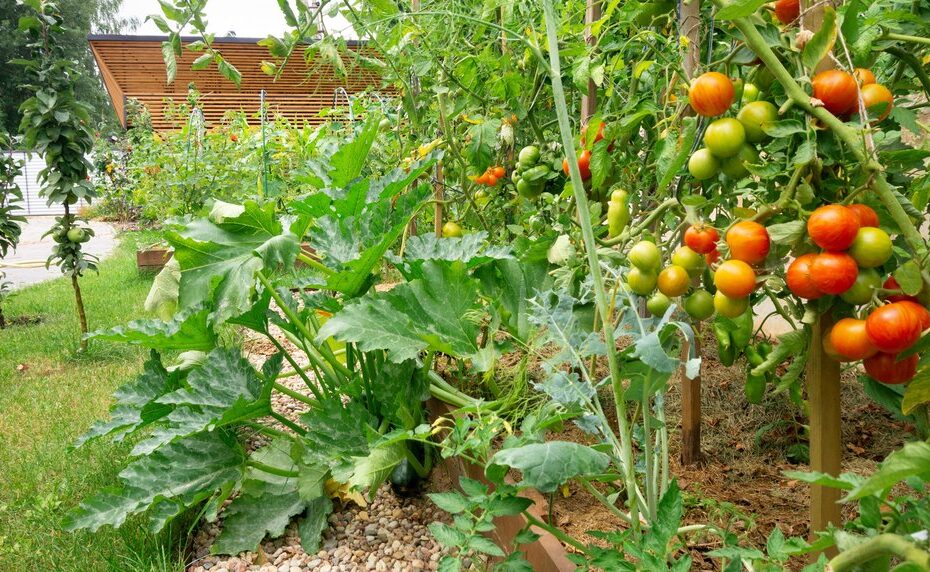
Food prices are expected to rise roughly 2% to 2.5% in 2026, according to the U.S. Department of Agriculture. To combat the higher grocery costs, many homeowners are turning to backyard gardening.
While this may seem like a good idea at first, the upfront costs of raised beds, irrigation, soil, and seeds can cost more than that organic lettuce you’ve been eyeing.
Before you start a home garden, it would be wise to do the math and make sure it’s worth the “sweat equity” and financial investment long term.
Why your location matters
The ROI equation for starting a home garden varies by geography. Pennsylvania, Hawaii, and California, for example, illustrate three distinct economic realities.
In Pennsylvania’s temperate and seasonal climate, the main limitation is the short five to six month growing season, which often requires extra spending on indoor seed starting and frost protection.
“While water is relatively cheap and pest pressure is moderate, the limited growing window caps total yield, so most gardeners only break even or see modest savings after a couple of seasons,” says Maria Lynn Emerick, registered nutrition and founder at Homegrown Nutrition in Honolulu.
In contrast, Hawaii’s tropical climate allows for year-round production, theoretically offering the highest yield and strongest return on investment.
“However, this advantage is offset by high costs for imported supplies, constant pest and disease pressure, and faster soil depletion, meaning only experienced gardeners tend to achieve meaningful savings while casual ones often break even,” explains Emerick.
California sits in between with a Mediterranean-like climate, but introduces a different constraint: water. Its lengthy growing season and fairly low disease pressure create the ideal conditions for high yields. However, irrigation costs and drought restrictions can quickly erase financial gains.
The economics of home gardening are less about location and more about what limits production in each region—time in Pennsylvania, biological pressure in Hawaii, and water in California.
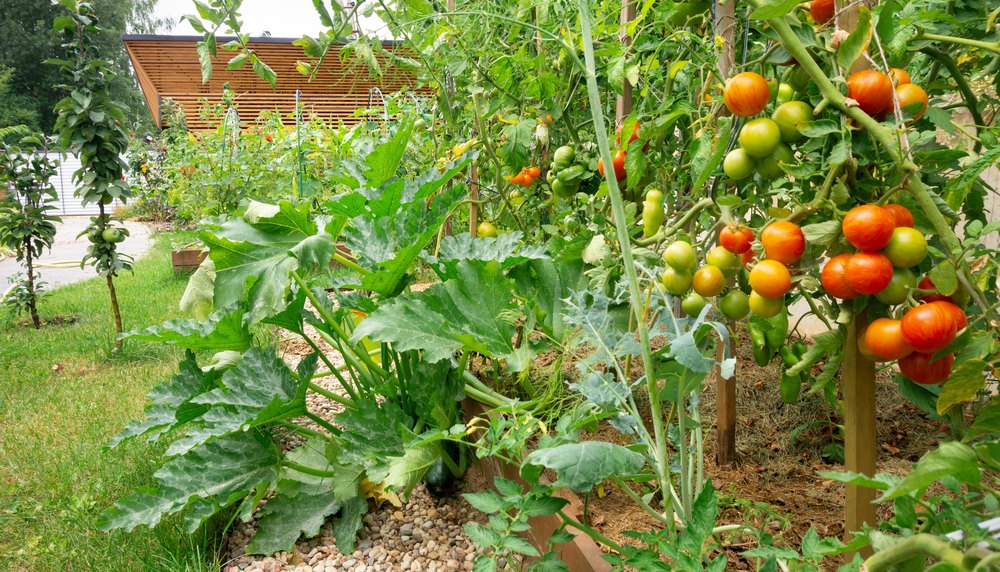
“Real savings typically emerge only after initial setup costs are absorbed and gardeners focus on high-value crops like herbs, tomatoes, and leafy greens,” Emerick adds.
How to perform a realistic cost-benefit analysis
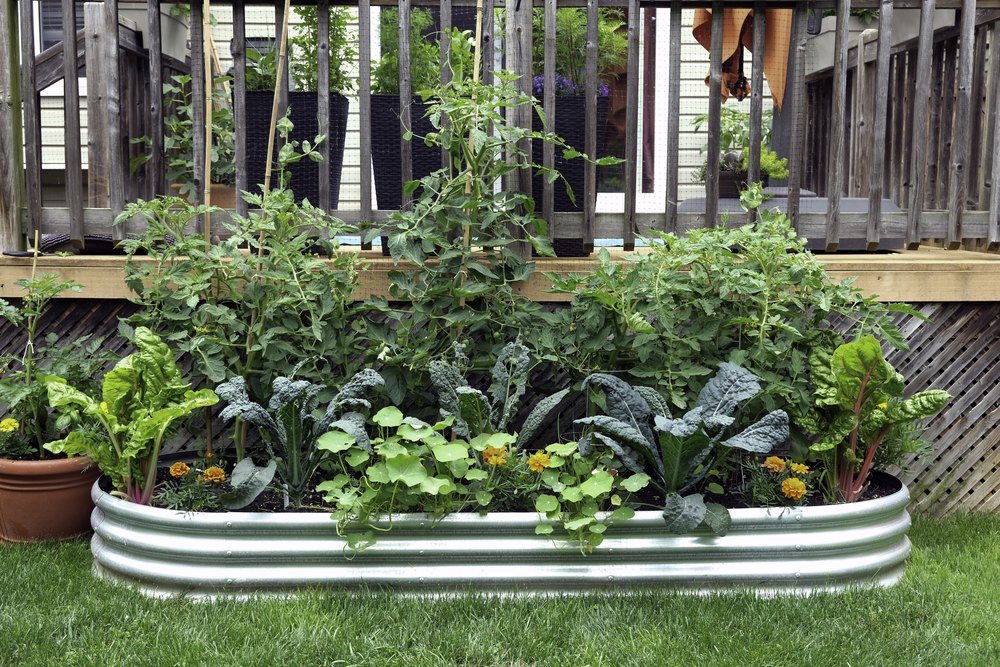
A realistic cost–benefit analysis of home gardening depends on climate, water, land costs, and crop choice, since the same plant can be profitable in one region and a loss in another.
According to Emerick, typical startup costs range from $50 to $500 or more, with annual expenses for seeds, soil, pest control, and water adding modest ongoing costs. Gardening is usually more expensive in the first year but can become cost-effective after a few seasons as materials are reused.
“Savings come mainly from growing high-value crops like herbs and specialty greens and minimizing inputs through practices like composting and seed saving, while staple crops and expensive setups often reduce returns,” explains Emerick.
Cost of growing produce vs. buying organic
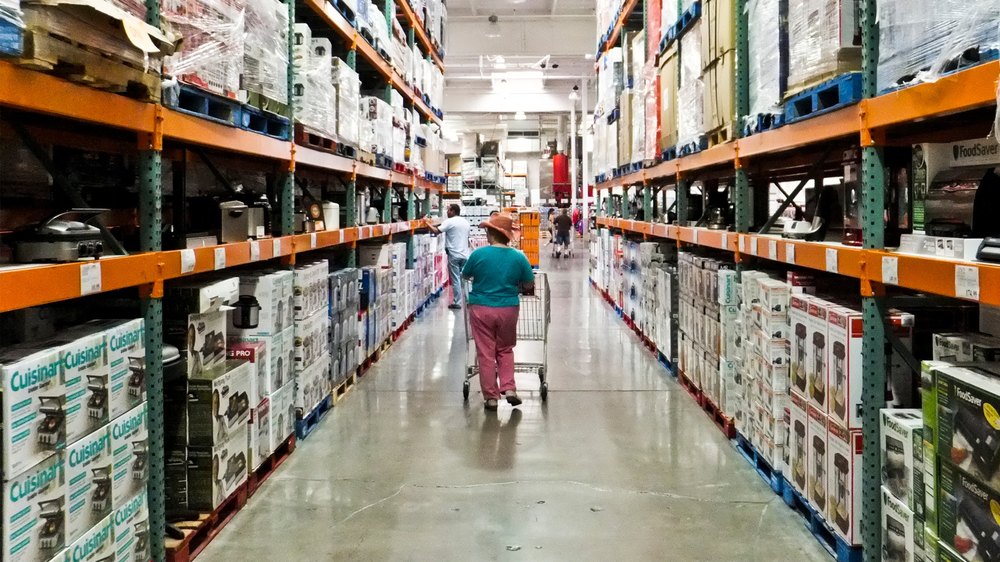
Growing high-yield crops like tomatoes and leafy greens involves a clear trade-off between labor time and cost savings compared with buying organic at the store.
Home gardening requires significant “sweat equity,” including regular planting, watering, pruning, harvesting, and pest control, which can take several hours per week during peak season.
“However, once initial setup costs are covered, these crops can produce large yields at a lower per-unit cost than store-bought organic produce, which is typically expensive due to labor and certification,” says Emerick.
In contrast, buying organic requires little time or effort and offers consistent availability, but at a higher and ongoing financial cost. Ultimately, gardening can save money if you maintain it consistently and treat it as a hobby.
For example, you can buy organic tomatoes at a grocery store for $4 to $6 per pound but a well-maintained tomato bush can generate 12 to 15 pounds of produce that season. The cost per pound can be comparable or even lower than store bought prices but actual savings depend on growing conditions, crop loss, and other factors.
“In many cases, you can enjoy a hybrid return that combines economic benefits with lifestyle value and I think that is the real win. Health is wealth as a garden will keep you active and flexible whereas buying organic prioritizes convenience and reliability as a purely transactional choice with predictable costs and no labor involved,” explains Emerick.
Beginner mistakes to avoid
If you do jump on the homegrown produce bandwagon, be mindful of these rookie errors:
Starting too large
Planting more than you can realistically maintain can lead to neglect, pests, and wasted seedlings or seeds.
“Focus on a small number of high-value, easy-to-grow crops (such as leafy greens, basil, and cherry tomatoes) to maximize yield per square foot while keeping maintenance simple and manageable,” Emerick explains.
You can always scale gradually only after one or two seasons of consistent results, using real harvest data to confirm what works before expanding space, spending, or effort.
Ignoring local conditions
Poor attention to sunlight, drainage, soil quality, and planting timing will result in low yields and repeated losses.
“Learn your yard first by observing sunlight patterns, testing soil performance, and tracking what actually grows well and produces reliably before expanding your garden,” says Emerick.
Underestimating ongoing costs
Fertilizer, pest control, soil amendments, and water can add up significantly over a season.
“Compost, save seeds, and reuse materials whenever possible to cut recurring costs and steadily reduce the need for store-bought inputs over time,” Emerick adds.