
The Sunshine State is facing an unusual bout of heavy rain and flooding in the middle of its dry season, which usually begins in November.
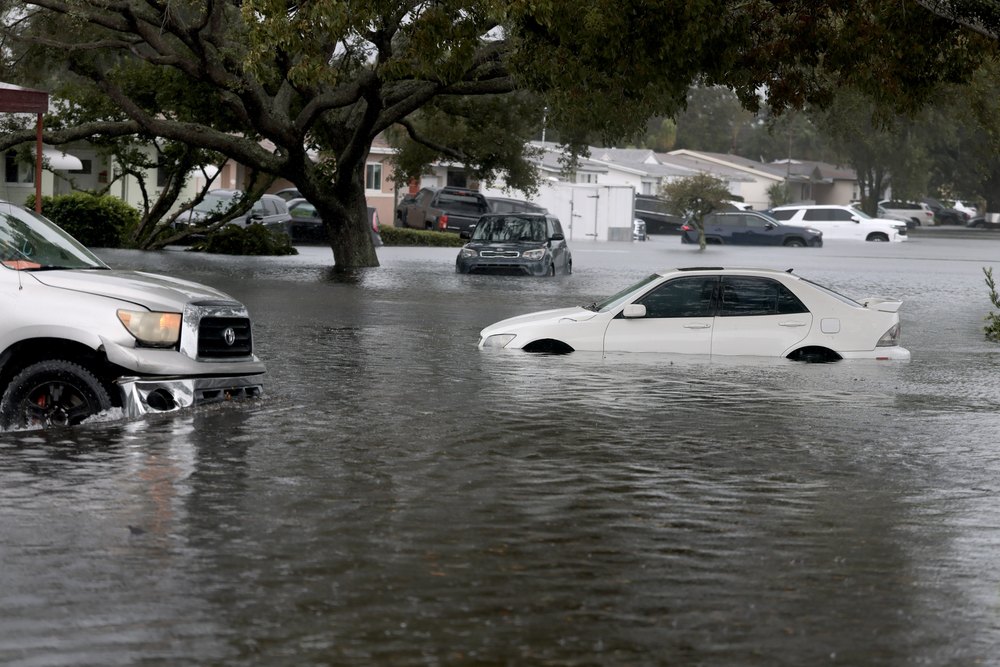
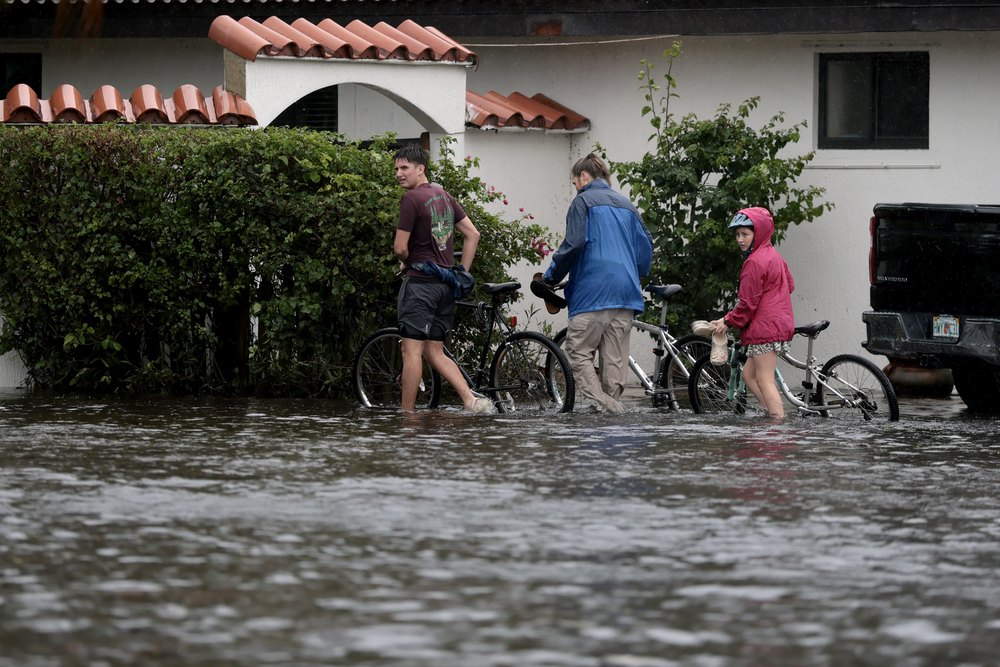
The unexpected weather has put pressure on drainage systems and left standing water in many communities, particularly those in South Florida’s Broward County and along Central Florida’s Atlantic Coast in places like Daytona Beach and Cape Canaveral.
On Nov. 18, the western part of Broward County faced what meteorologists refer to as a “rain bomb.” In just 24 hours, West Hollywood received over 15 inches of rain, while surrounding neighborhoods saw about 10 inches.
Due to the severity of the situation, which has led to issues such as stranded cars and out-of-service traffic signals, Broward County and Hollywood declared states of emergency, with Hollywood officials encouraging residents to shelter in place and avoid unnecessary travel.
Forecasters expect additional rainfall through the end of this week as well as 2 to 4 inches across Eastern Florida, with about 4 to 8 inches from Miami to Jacksonville between Tuesday and Friday. Some areas may even get hit with up to 12 inches.
While the wet and windy conditions are expected to improve, the Southeast may see a cooler, rainier Thanksgiving this year. The rain could linger from the upper coast of Texas toward the southern Atlantic Coast throughout the holiday weekend.
“The dry season doesn’t mean your house is in the clear. Florida is currently showing us that heavy rain can flood homes miles from the beach,” says John Espenschied, owner at InsuranceBrokers.com in O’Fallon, MO.
If you’re a Florida homeowner, these unexpected weather conditions are a reminder that flooding may occur year-round—even outside of the traditional summer, hurricane season.
They can also give you a nudge to review your home insurance policy as it relates to flooding and take precautionary steps to protect your property and loved ones.
The flood insurance gap
Florida’s current flooding is drawing attention to the fact that many homeowners do not have enough insurance coverage to recover from the damage.
The Realtor.com® 2026 Housing and Climate Risk Report highlights the financial consequences. It found that over 6% of U.S. homes face severe flood risk, representing almost $3.4 trillion in property value.
At the same time, the number of active flood insurance policies from the National Flood Insurance Program (NFIP) fell by 4.5% between May 2025 and May 2026, decreasing from 3.62 million to 3.45 million.
And the issue goes beyond coastal communities.

Moody’s U.S. flood risk analysis, which accounts for flooding from heavy rain and overflowing rivers rather than just coastal storms, found that potential uninsured residential flood losses could exceed $375 billion in a modeled 1-in-100-year flood scenario. This may result in a national insurance protection gap of 65%.
According to Chris Bacon, chief operating officer of Openly in Boston, there are four primary factors that explain why many homeowners are lacking adequate flood protection.
First, most homeowners do not live in the highest-risk flood zones, so they don’t consider it a significant peril. Second, the cost of flood insurance can be high, especially for homeowners in higher-risk flood zones.
“The additional cost can be a constraint of homeowners’ budgets, and thus they choose to not purchase the coverage,” explains Bacon.
Third, mortgage companies do not require flood coverage unless the home is located in a high flood risk zone, so homeowners simply skip it to save money. Finally, the coverage from the NFIP, which goes up to only $250,000, is often lower than what a consumer needs should there be a major loss.
While there are private flood providers that can cover higher limits, premiums can be significantly higher because pricing reflects each property’s individual flood risk.
“That’s why working with an independent insurance agent is so critical. They can provide the right coverage advice and show multiple options so you can make an informed decision for your unique situation,” Bacon adds.
If you own a home in Florida (or any other state where flooding may occur), take a close look at your home insurance coverage. Determine whether it covers water that rises from the street or yard. Unfortunately, most policies don’t.
In the event you don’t have flooding insurance, get quotes from both the NFIP and private insurers.
“The federal program caps building coverage at $250,000. You can buy up to $100,000 in separate coverage for your belongings. If your home would cost $400,000 to rebuild, ask what it would cost to insure the extra $150,000,” adds Espenschied
Don’t forget to compare deductibles and start dates, and remember that federal coverage usually takes 30 days to kick in.
John Dickson, president and CEO at Aon Edge, a private flood insurance provider based in Kalispell, MT, points out that deciding whether to purchase flood insurance is a question of values.
“When you get a picture of how much you can lose, choosing to purchase flood insurance becomes an easy decision,” Dickson explains.
How to protect yourself and your home
Fortunately, there are a number of precautions you can take to reduce the risk of serious flood damage on your property.
“Keep gutters clear of debris, and remove or clear debris blocking nearby storm drains and install a sewer backflow check valve,” says Bacon.
If you have a basement, elevate HVAC equipment, electrical panels, and water heaters above expected flood levels where possible.
Outside of your home, grade soil away from the foundation and extend downspouts to improve drainage. Finally, keep sandbags or flood barriers on hand, and know your evacuation routes.
If you have a swimming pool, proper pool preparation is key. Avoid draining the pool completely, as hydrostatic pressure from waterlogged soil can cause the pool shell to pop out of the ground.
“Instead, lower the water level slightly (no more than 1 to 2 feet) to allow room for heavy rainfall, turn off power to the pool equipment at the breaker, and secure or store loose pool furniture and equipment inside to prevent severe damage,” Bacon explains.
To protect personal property, particularly high-value, irreplaceable, and sentimental items, move them off ground-level floors and store them on upper levels or high shelves. Keep important documents, family heirlooms, and electronics in sealed, waterproof containers, and create digital backups of critical financial and personal records.
For furniture or heavier items that must remain on the ground level, use blocks or risers to elevate them above potential floodwater lines before severe weather arrives.
“None of these steps eliminates risk, but together they reduce damage and help lead to faster recovery,” adds Bacon.