Fannie Mae and Freddie Mac have recently unveiled a raft of reforms aimed at slashing condominium owners’ insurance costs—but some of these new requirements are sparking blacklisting concerns.
Last week, the Trump administration’s Federal Housing Finance Agency (FHFA) announced major updates to rules related to the condo eligibility review process, homeowners associations’ budget reserves, roof replacement insurance, and deductible limits.
The FHFA touted the changes as “big wins” for condo owners and buyers alike, making it easier for hundreds of buildings, and as many as tens of thousands of units, to secure insurance while lowering monthly payments.
“Bottom Line: if you’re buying a home or condo, or already own one with a Fannie or Freddie mortgage, your insurance bill just got easier to swallow,” the agency said in a press release on March 18.
While these provisions were adopted to reduce costs for homeowners, there is a growing concern that stricter reserve requirements could backfire, rendering some older condos ineligible for conventional financing and effectively blacklisted from the mortgage market.
What’s in the new rules?
As part of the reforms, starting on Jan. 4, 2027, condo associations must contribute at least 15% of their annual budget to reserves for capital expenditures and deferred maintenance, up from the current 10%.
Realtor.com® senior economist Joel Berner says this provision could have the unintended consequence of landing more condos on the semi-secret blacklist.
“The additional reserve requirement might be especially difficult for them to make up, since they likely had budgeted for 10% of their budget in cash holdings and are now required to hold 15%,” he explains.
Berner points out, however, that Fannie and Freddie have a good reason for increasing the reserve minimum: They do not want to hold loans that are tied to deteriorating buildings.
“The blacklist is unfortunate for those that own units in one of those condos because they’ll have a harder time selling them, but it’s important for the health of the market to have these condos in compliance,” adds the economist.
However, other rules unveiled by FHFA could help move some condos off the dreaded blacklist, paving the way for more buyers to obtain standard mortgages.
Under one of the provisions, Fannie and Freddie will now accept actual cash value (ACV) coverage, instead of full replacement cost value (RCV), on roofs for single-family homes and condos.
ACV accounts for depreciation and pays what the condo’s roof is actually worth today, lowering insurance premiums in the process.
“This would help demand, as buyers can get better financing,” says Berner.
The updated requirements also do away with the “limited” review process, which has been a cheaper and faster alternative to the full review.
Starting on Aug. 3, condos that previously qualified for a limited review must now undergo a full review, unless they are eligible for a waiver.
To that end, under the Fannie and Freddie reforms, new and established condo projects with 10 or fewer units may now qualify for a waiver of project review.
Taylor Stork, COO of Developer’s Mortgage Company and president of the Community Home Lenders of America, said that the elimination of the limited review could be a step in the wrong direction.
“Limited review has long provided a practical, risk-balanced, less expensive pathway for financing condos—especially for entry-level and workforce housing,” Stork wrote in a LinkedIn post. “Eliminating it raises an important question: Are we solving for risk … or unintentionally increasing expense in aggregate while restricting access to credit?”
The National Association of Realtors® warned in a recent report that while smaller condos may benefit from streamlined reviews and improved access to financing, “larger projects will face higher reserve and documentation expectations, which could increase HOA fees or result in special assessments” as a result of the updated FHFA requirements.
Background
Known as government-sponsored enterprises, Fannie and Freddie are chartered by Congress to increase liquidity and facilitate borrowing by purchasing mortgages and issuing mortgage-backed securities.
Since the Great Recession of 2008, both entities have been under government conservatorship, with FHFA providing strict regulatory oversight.
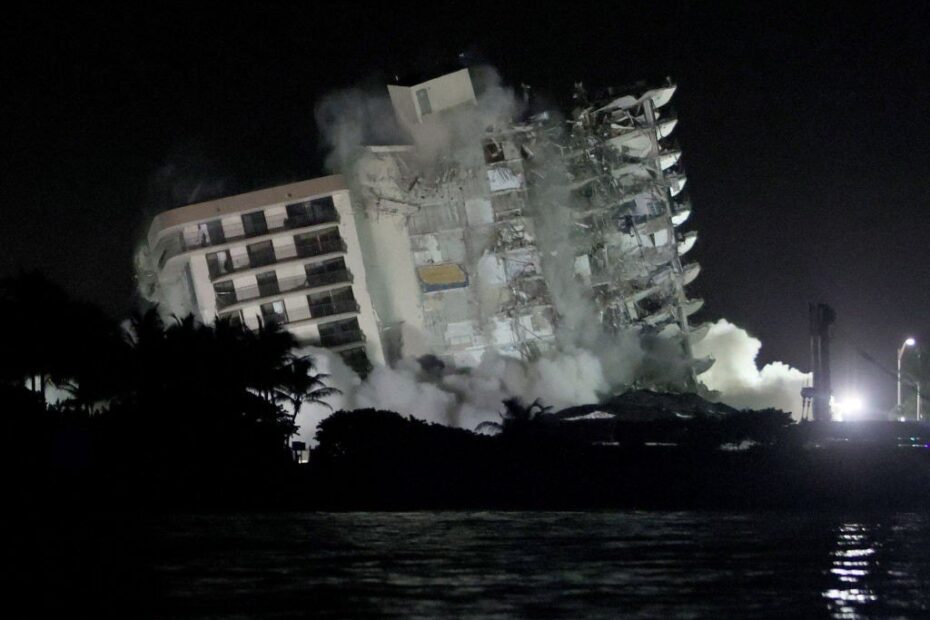
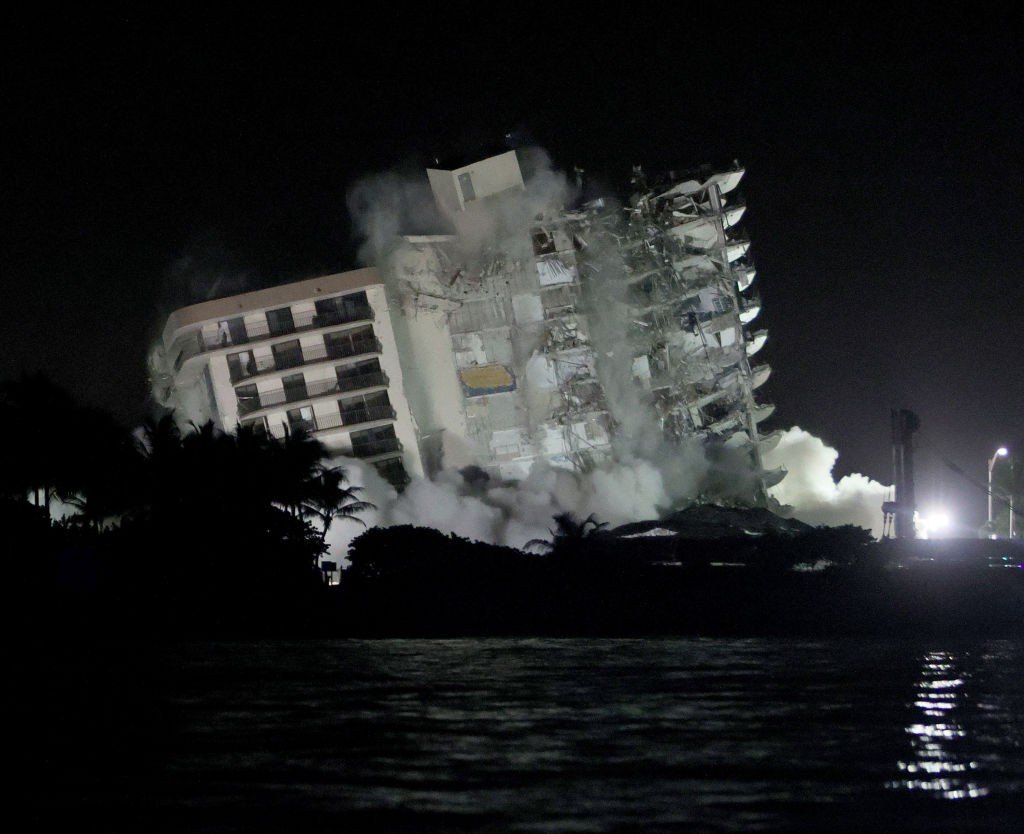
In the wake of the 2021 partial collapse of Champlain Towers South condominium in Surfside, FL, which killed 98 people, Fannie and Freddie enforced more stringent standards for condos’ structural safety and financial reserves.
Properties that fail to meet these standards become mortgage-ineligible, effectively placing them on a financing blacklist. For a buyer looking to purchase a unit in a blacklisted building, securing a conventional home loan becomes almost impossible.