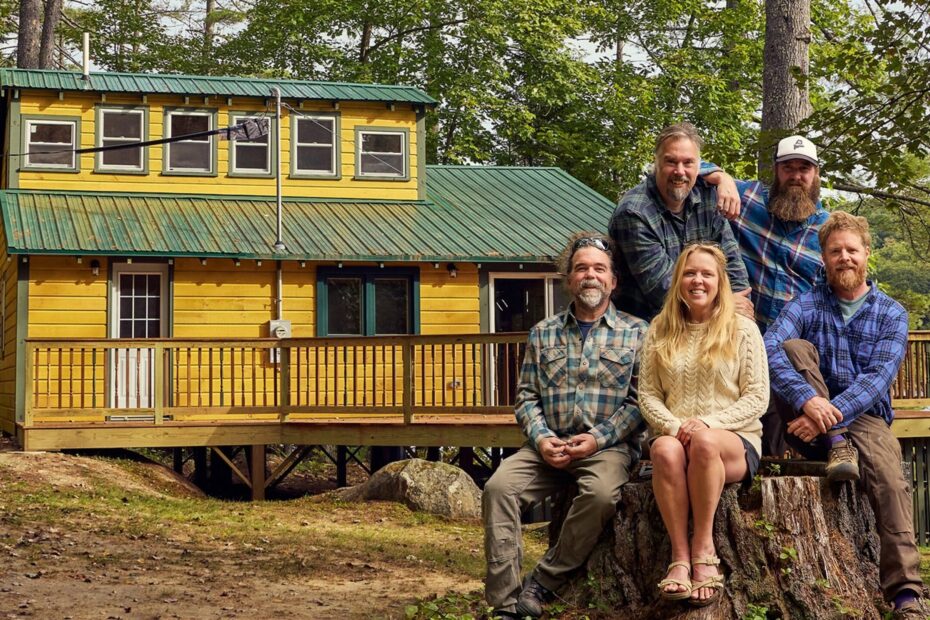
“Maine Cabin Masters” star Chase Morrill has built a career out of helping families to restore their rustic properties so that they can be passed down to future generations—all while building his own legacy by training his children in the same trade.
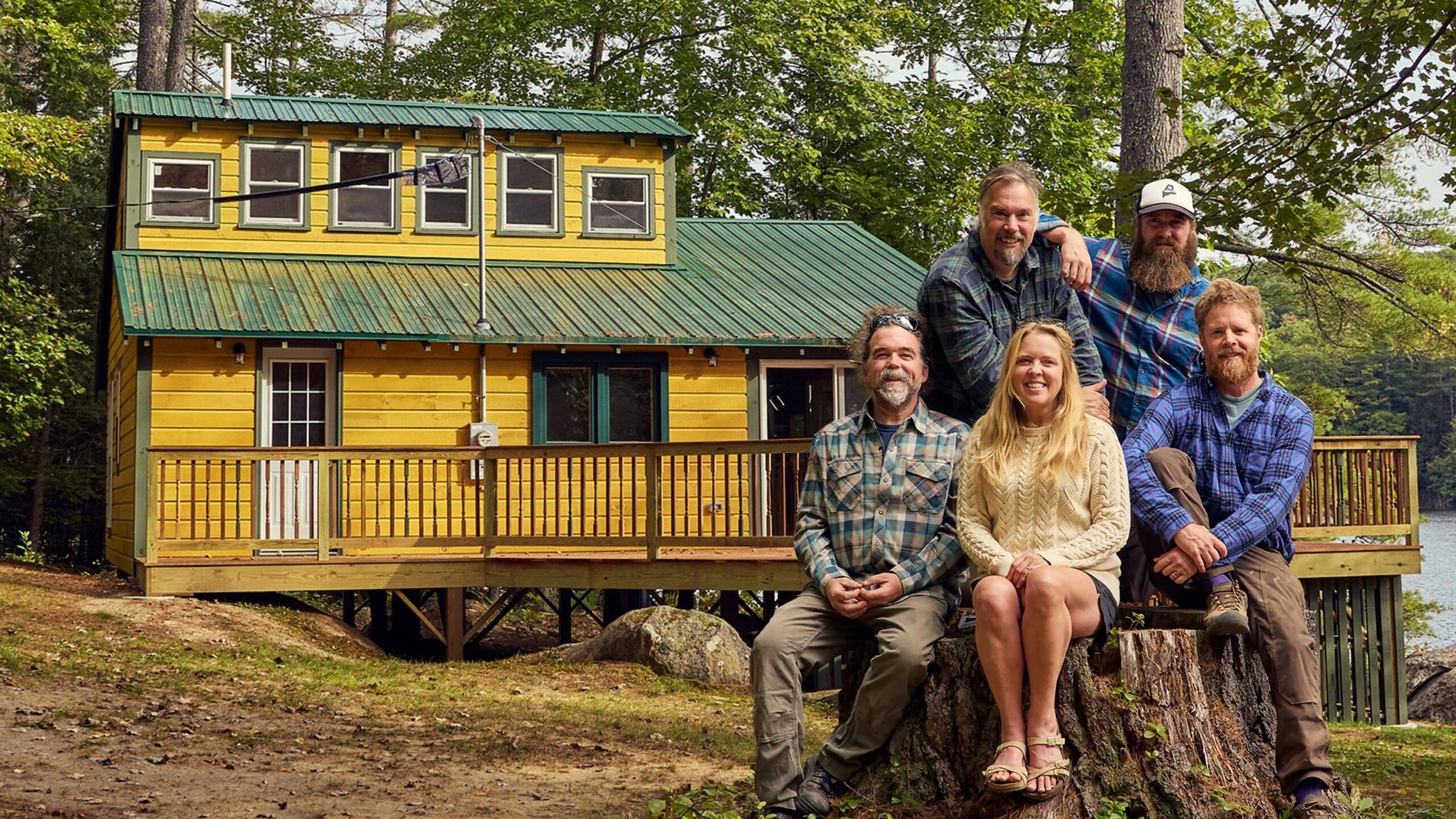
Morrill, 48, has mastered the art of modernizing aging cabins while maintaining their original charm, and his hit vacation home makeover series documents the dozens of remodels he’s done in Maine alongside his sister, Ashley Morrill-Eldridge, and her husband, Ryan Eldridge.
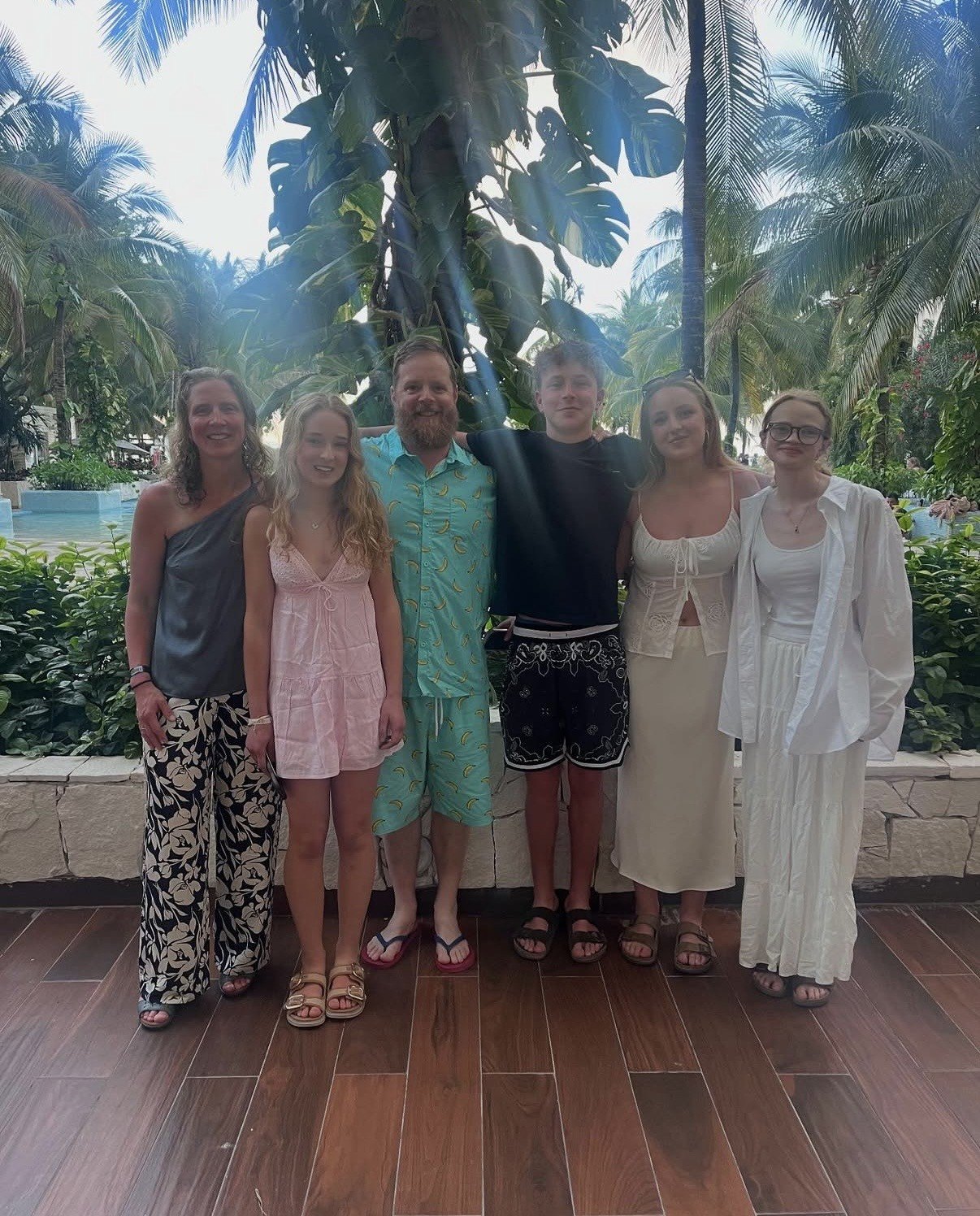
The show—and its popular spinoff, “Maine Cabin Masters: Building Italy”—has documented the proud father bringing his four children, Maggie, Nori, Eva, and Fletcher, into the fold of filming, and now the father of four tells Realtor.com he’s involving some of them in the construction side of the family business.
“My son, Fletcher, is finally at an age where he is ready to swing a hammer, although now it’s more nail guns and impact drivers,” says Morrill. “It’s great working with him and trying to recruit his friends along the way.”
While Morrill views mentoring Fletcher as an opportunity for father-son bonding, he also sees it as an obligation to his profession to ensure its continuity.
“One thing we have all learned is that we aren’t getting any younger, and if we want this to keep going, we need to start sharing our knowledge with younger generations who are interested in working hard, working outdoors, working with their hands, and have fun doing it,” he says.
“There are more students interested in the trades, and we have started taking some on to be part of the team.”
Educating apprentices in the niche vocation of cabin restoration means preparing them for unique challenges they could potentially face, including the complicated logistics of working on an old dwelling that is isolated on an island.
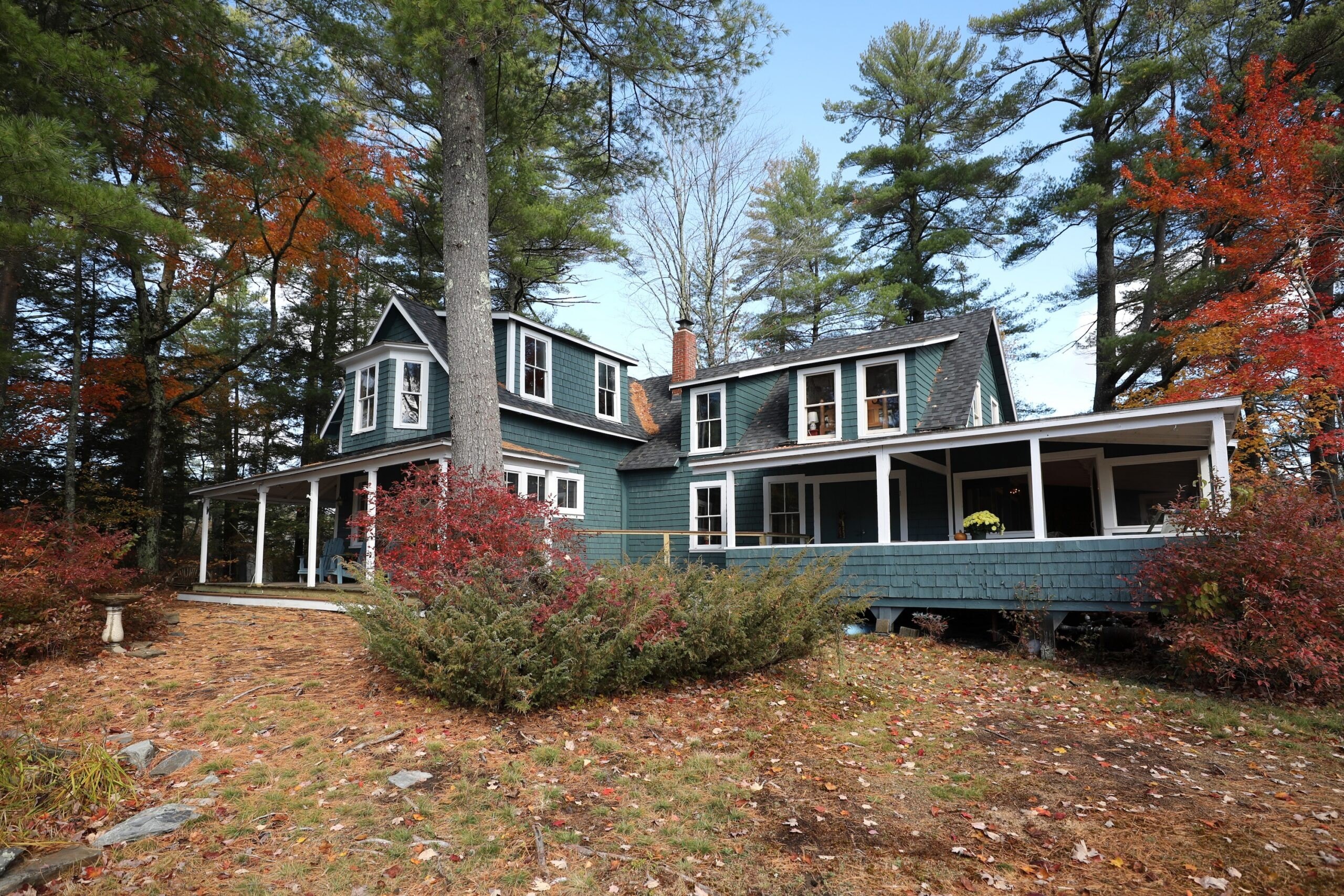
On the upcoming Season 12 finale of the show, which airs on March 9, Morrill and his crew come across that precise scenario while revamping a camp structure for the Iredale family. The multigenerational family cabin sits on an island on Maranacook Lake. This secluded body of water is located about 10 miles west of Maine’s capital city of Augusta.
In an exclusive clip from the forthcoming episode, titled “Private Island Happy Place,” Morrill takes on a task he’s overseen many times before. However, because the island locale makes it difficult to swap out tools quickly, the installation this time is anything but straightforward.
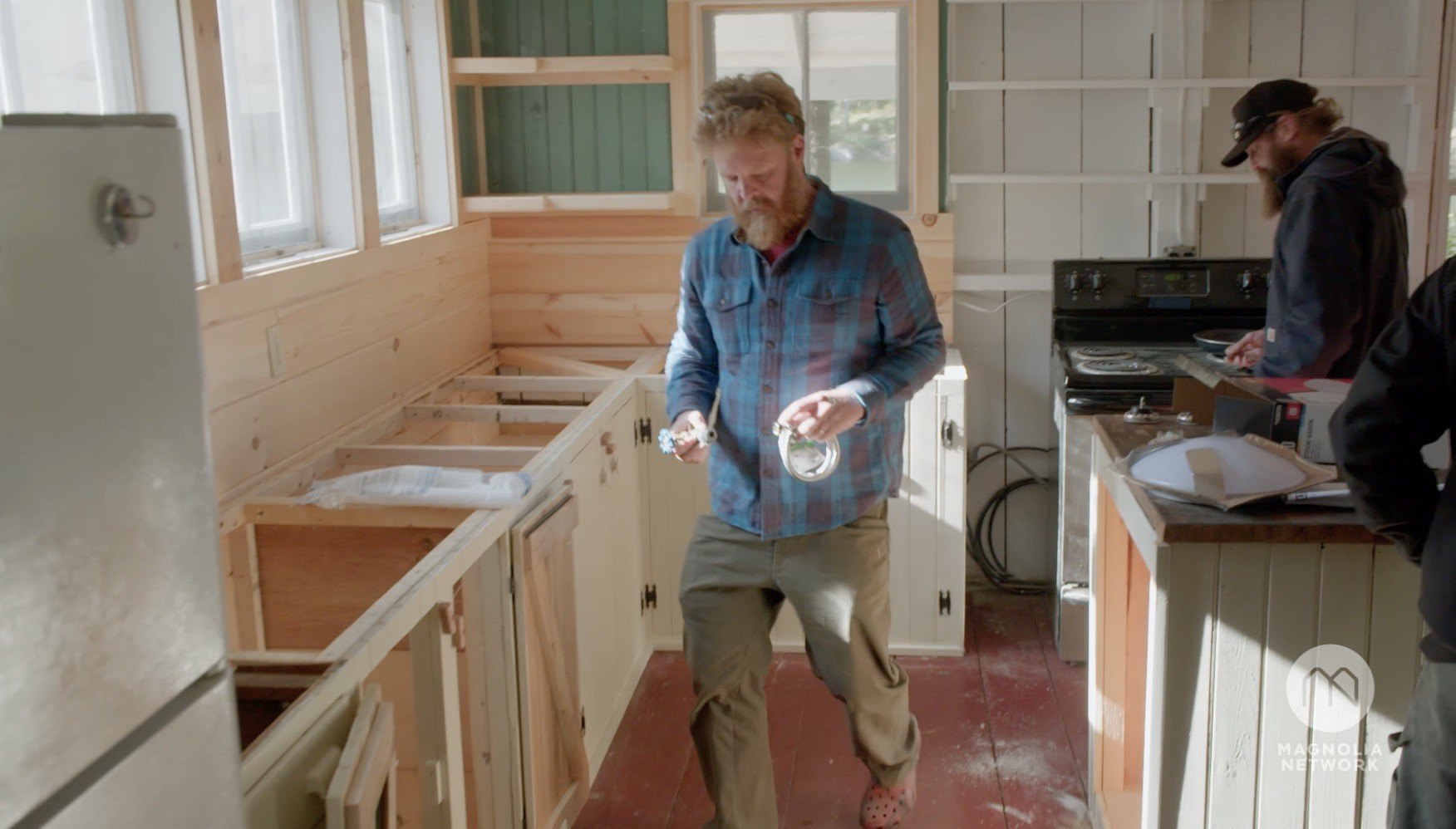
“Basically, what we have remaining here today is hooking the sink up and then installing the countertop. But unfortunately, Doug the plumber is working at another camp,” says Morrill as he sets himself up to complete the job without his usual helper.
When a fellow crew member teases Morrill for “putting Dougie right out of a job,” the “Maine Cabin Masters” lead quickly corrects his comrade.
“No, just the opposite,” he says. “Made me miss him. I just grabbed everything … even the kitchen sink.”
Armed with a bunch of tools he brought over from the mainland, Morrill narrates his repair activity in the wood-paneled kitchen.
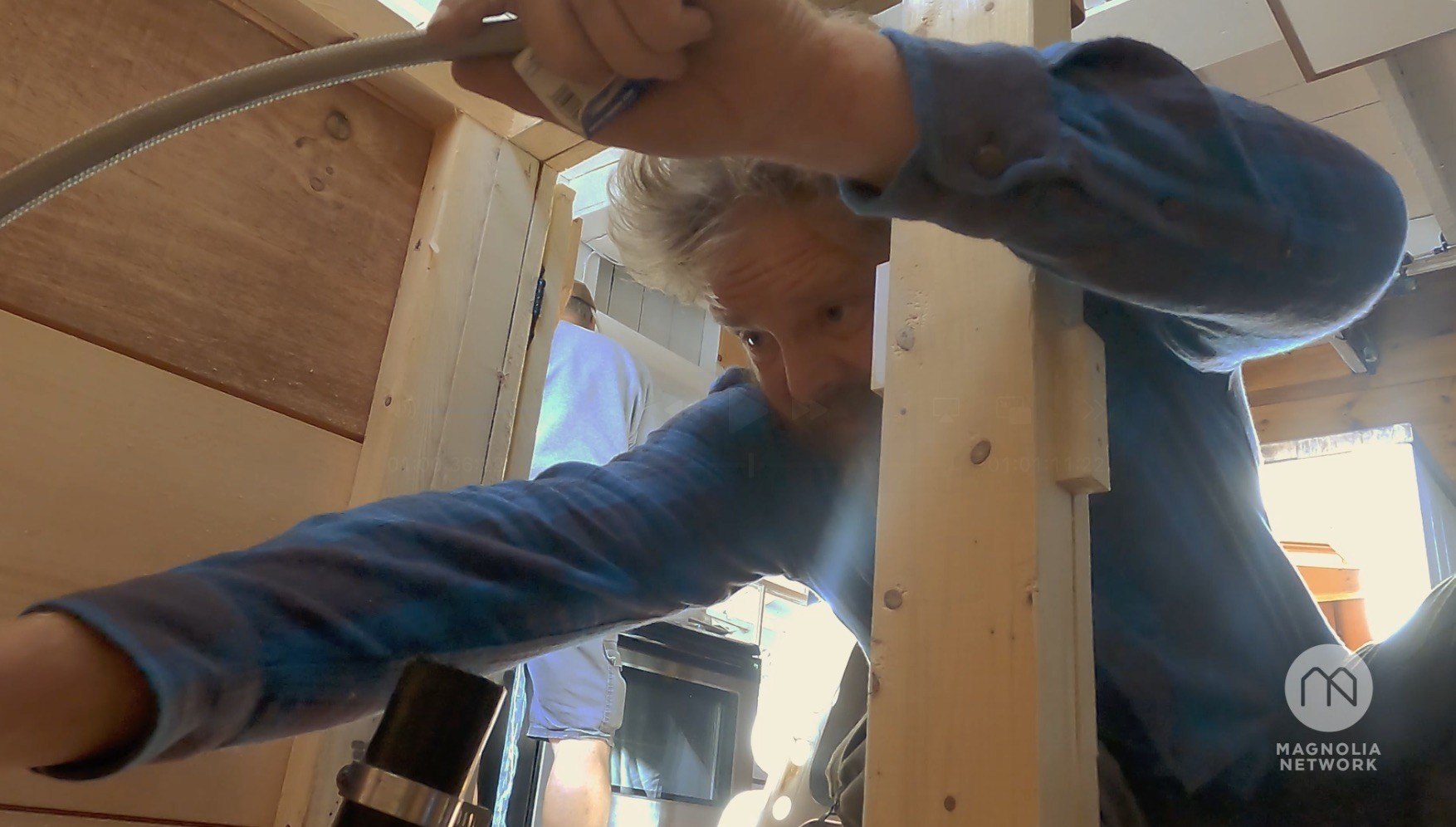
“That right can run off that line. It’ll go right to the faucet,” he says.
Yet, almost as soon as Morrill starts, he is forced to stop because he doesn’t have the proper equipment.
“I don’t have the right things,” he admits. “This one side, I think that’s half-inch and it needs to be three-quarter. It’s just the one wrong piece. So close, so close.”
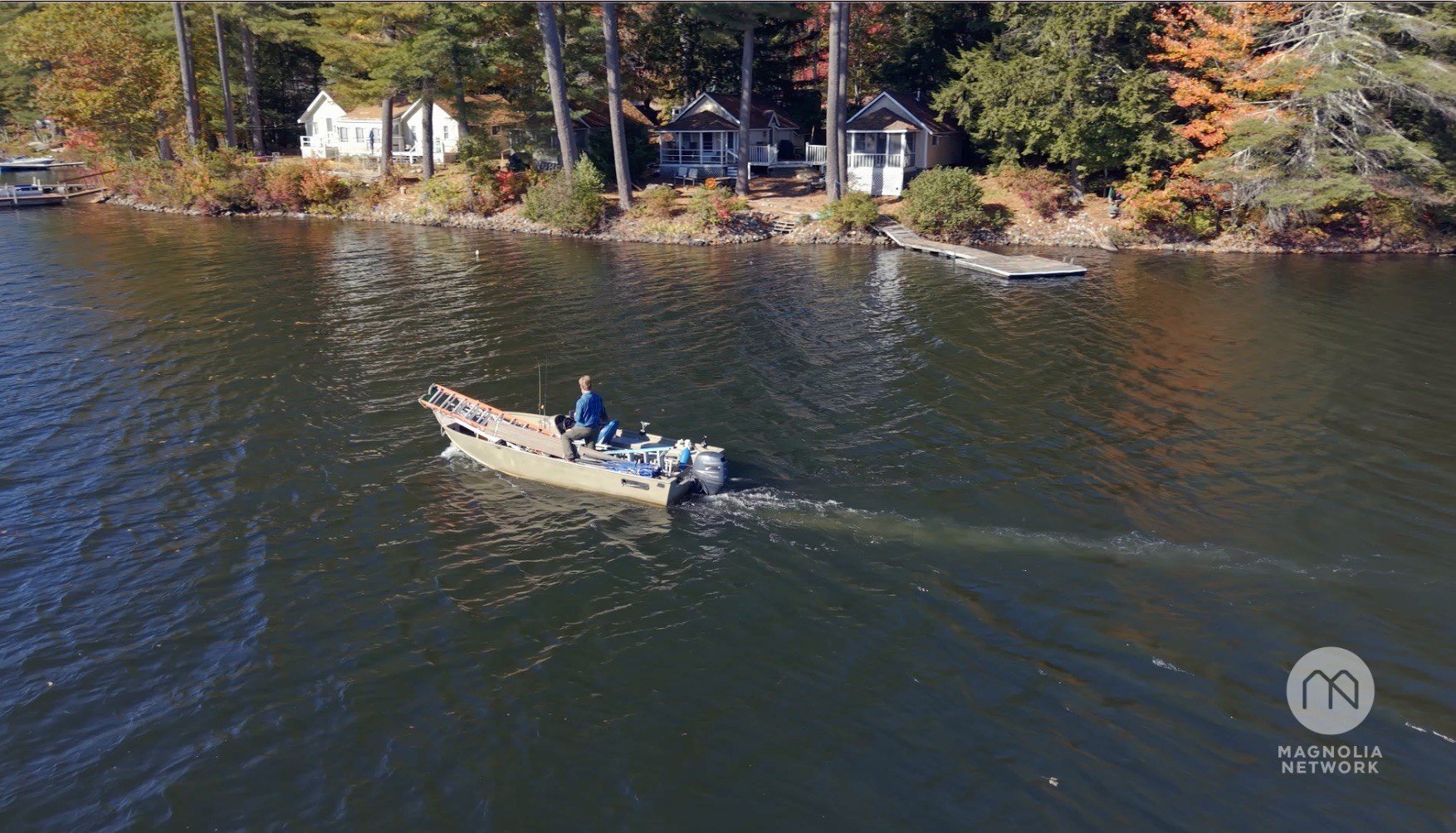
Delayed but not defeated, Morrill makes plans to head back to shore to retrieve the appropriate supplies.
“I’ll run and get the plumbing part we need,” he says. “This was just a really simple reconnect the kitchen sink, but no, I’m not a plumber.”
Having to make an extra trip to pick up something left behind is just one issue working on an island can present.
Speaking to Realtor.com, Morrill recounts many more problems he anticipates to minimize stress and conserve time and energy.
“One of the biggest challenges of working on a remote island is getting materials on and off the island,” he explains. “We typically have a couple of work boats to bring crew and daily material needs out to the job site. But when we need to haul in large loads of lumber or massive beams, we either have to take multiple trips, which takes a lot of time and energy, or we rent a barge to bring everything in at once.”
When logistics are complex, Morrill simplifies other parts of the building process. One strategy he often employs is using the same building material for multiple parts of a job.
“We have also gotten a lot more efficient in material choice,” he says.
“We use Eastern white pine for almost every aspect of our cabin builds,” he shares. “It’s versatile, locally sourced, and easy to work with. We will buy full units at a time, typically 1,000 board feet per unit, haul it out to the island, and use it for walls, floors, siding, roofs, trim—interior and exterior. Any scrap gets cut into kindling for the fire pit. Nothing goes to waste.”
Beyond the supply chain logistics of building materials, Maine’s extreme weather can create job site difficulties.
“Winter builds are always challenging. Nothing is easy in the cold and snow,” explains Morrill. “What I find most challenging is the time in between winter and spring, also known as ‘mud season.’
“Camp roads turn into mud runs and require four-wheel drive access only. There’s still the possibility of getting a freak blizzard that drops 12 inches of snow, lakes still have ice on them that isn’t safe to go out on, and everything is brown and the mud tracks everywhere inside, no matter how hard you try to clean boots.
“We did one camp a few seasons back, and we had to postpone giving the camp back to the owners because it wasn’t accessible because of mud season. The camp was finished, but we had to wait for everything to dry out.”
On other occasions, human error, rather than Mother Nature, is to blame for delayed construction timelines.
“We still make plenty of mistakes, but hopefully we will keep learning from those mistakes,” acknowledges Morrill, who reveals that he and his crew “typically have eight to 12 weeks” to complete each cabin.
“The worst mistake is when something needs to be special ordered and will not arrive on time,” he says.
“We did one cabin where we had to special order windows, and they did not arrive in time for the reveal. We ended up installing different windows that we had in storage and then had to take out and install the new windows once they arrived. It was a costly mistake, but we were able to reuse the first set of windows in another camp.”
Sourcing items from one camp for installation in another is not only cost-effective, it also builds character in a cabin.
“We love to reuse, repurpose, upcycle, whatever you want to call it. It’s the Maine way: ‘Use it up, wear it out, make it do, or do without,’” says Morrill.
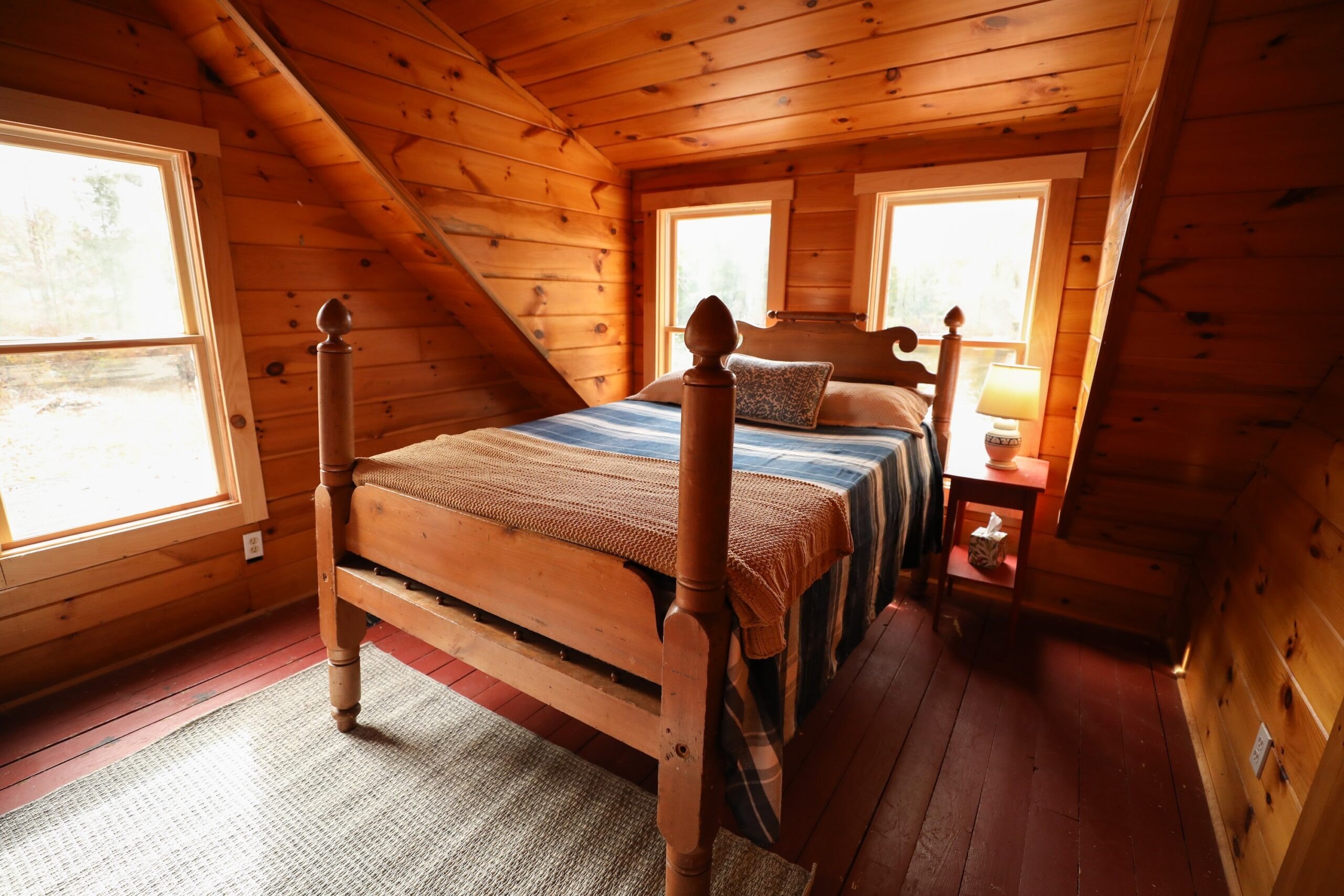
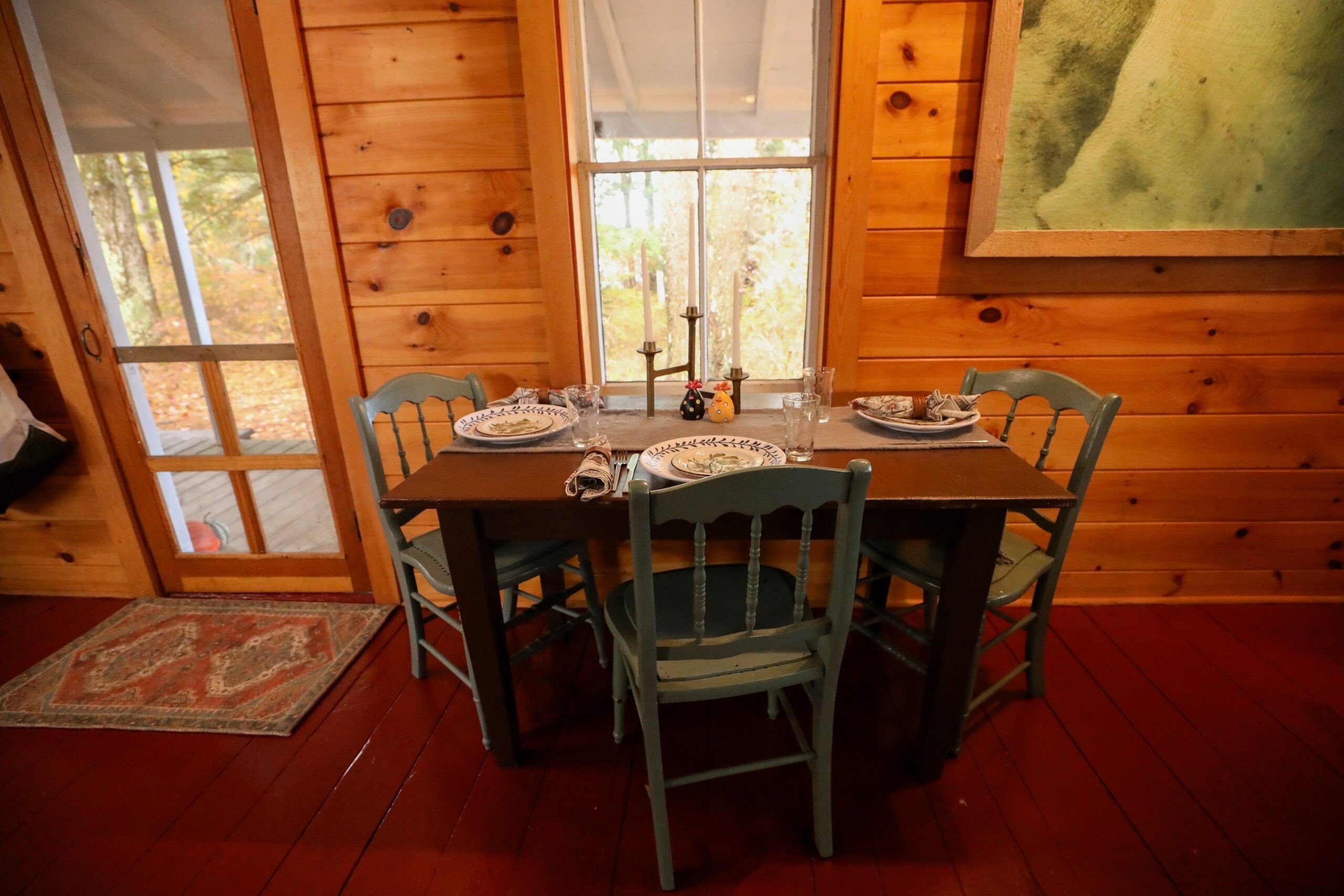
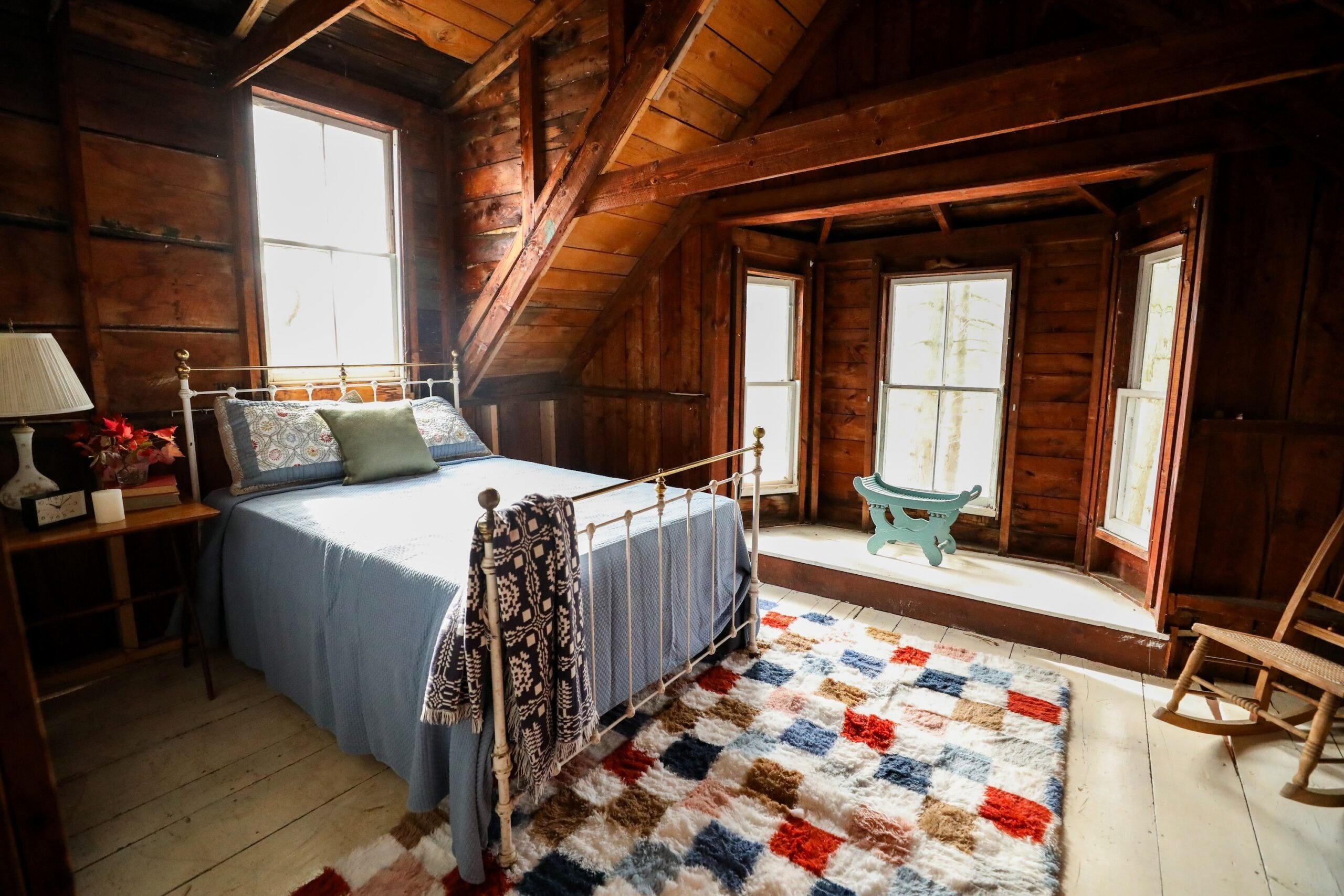
“I love it when we are able to peel 100-year-old pine boards and turn them into a piece of furniture, a picture frame, or even a unique accent wall,” he says.
Some materials lend themselves well to repurposing, he adds, while one pre-owned item gets pushback.
“Others on the team might disagree, but I am OK with reusing toilets,” confesses Morrill.
Secondhand toilets aside, the “Maine Cabin Masters” crew members agree on the type of cabin build they most enjoy.
“One of our favorite styles of camps, we call them ‘framer’s finish,’” explains Morrill. “It is a typical two-season camp, no insulation, exposed wall studs, roof joists, and a lot of pine.
“A roof over your head, windows to let in the breeze, hopefully with screens when we are finished, and a fire pit area or some sort of common gathering space. They can have power or be off the grid [and] an outhouse or indoor plumbing if you’re lucky.”
No matter the style, it’s obvious that Morrill and his crew love what they do and exercise as much care in every cabin build as they would if the property belonged to them.
“We treat every camp like it was our own,” he says. “We ask ourselves, ‘If this was my camp, what would make it a more usable and inviting space?’”
A dozen seasons into filming “Maine Cabin Masters,” demand for the crew’s expertise remains high in the Pine Tree State and beyond.
“I have no fears about running out of cabins in Maine that need work,” Morrill says. “From the lakes and ponds, rivers and streams, mountains and ocean, there are cabins all across this state and areas we are still discovering.
“People ask us regularly if we can come to their home state and work on their camp, but we have no plans to leave this state and head to another. I tell people that’s part of why we chose Italy. If we had gone to one state and not another, there would be a long list of unhappy camp owners!”
While work is keeping Morrill busy stateside, upkeep at the property he redid on “Maine Cabin Masters: Building Italy” continues.
“The home in Italy is wonderful and has been getting lots of use from friends and family,” he shares.
“We are slowly figuring it out: from getting connected to city gas to paying Italian property taxes, and most recently, my oldest daughter, Maggie, and my mother helping with harvesting olives from our olive trees and taking them to the local press and getting our own olive oil—about 40 liters.”
From the forests of Maine to the foothills of Italy, it’s clear the Morrill family is intent on staying masters of their craft.
The ‘Maine Cabin Masters’ Season 12 finale airs on March 9 at 9 p.m. on Magnolia Network and streams the next day on discovery+ and HBO Max.