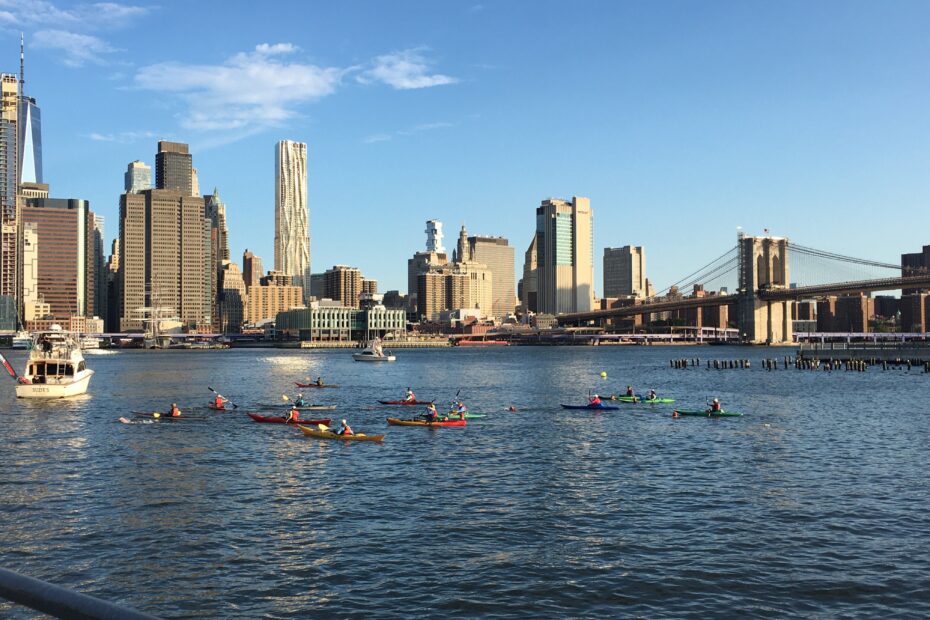
Chicago is testing a future that once would have sounded like a far-fetched dare: a swimmable river for residents.
The city has spent decades cleaning up its notoriously polluted river. And while wildlife has returned and water quality has improved, one conspicuous sign of recovery has remained mostly absent: people in the water.
But that might be starting to change. After hosting its first sanctioned public river swim in nearly a century in 2025, the Windy City is now preparing for another in September 2026.
The momentum is part of a global push to make urban waterways usable again.
Paris is the most visible example. The City of Lights spent heavily ($1.5 billion) to clean up the Seine ahead of the 2024 Olympics and has since reopened parts of the river to the public. Now, Chicago is exploring what a similar transformation could look like.
The stakes go beyond recreation. A swimmable river can become a real amenity—one that reshapes how residents experience the city and how buyers value neighborhoods along the water.
The appeal goes beyond novelty
The symbolic meaning of a swimmable river is hard to overstate.
“A city where inhabitants can swim safely in its waterways means that governments and other organizations are invested in the quality of life of its land-dwelling humans and aquatic residents,” explains Grace Robinson, an open-water swimmer and illustrator based in Brooklyn, NY.
In 2021, she completed the Two Bridges event—a half-mile swim under the Brooklyn and Manhattan bridges in New York City’s East River.
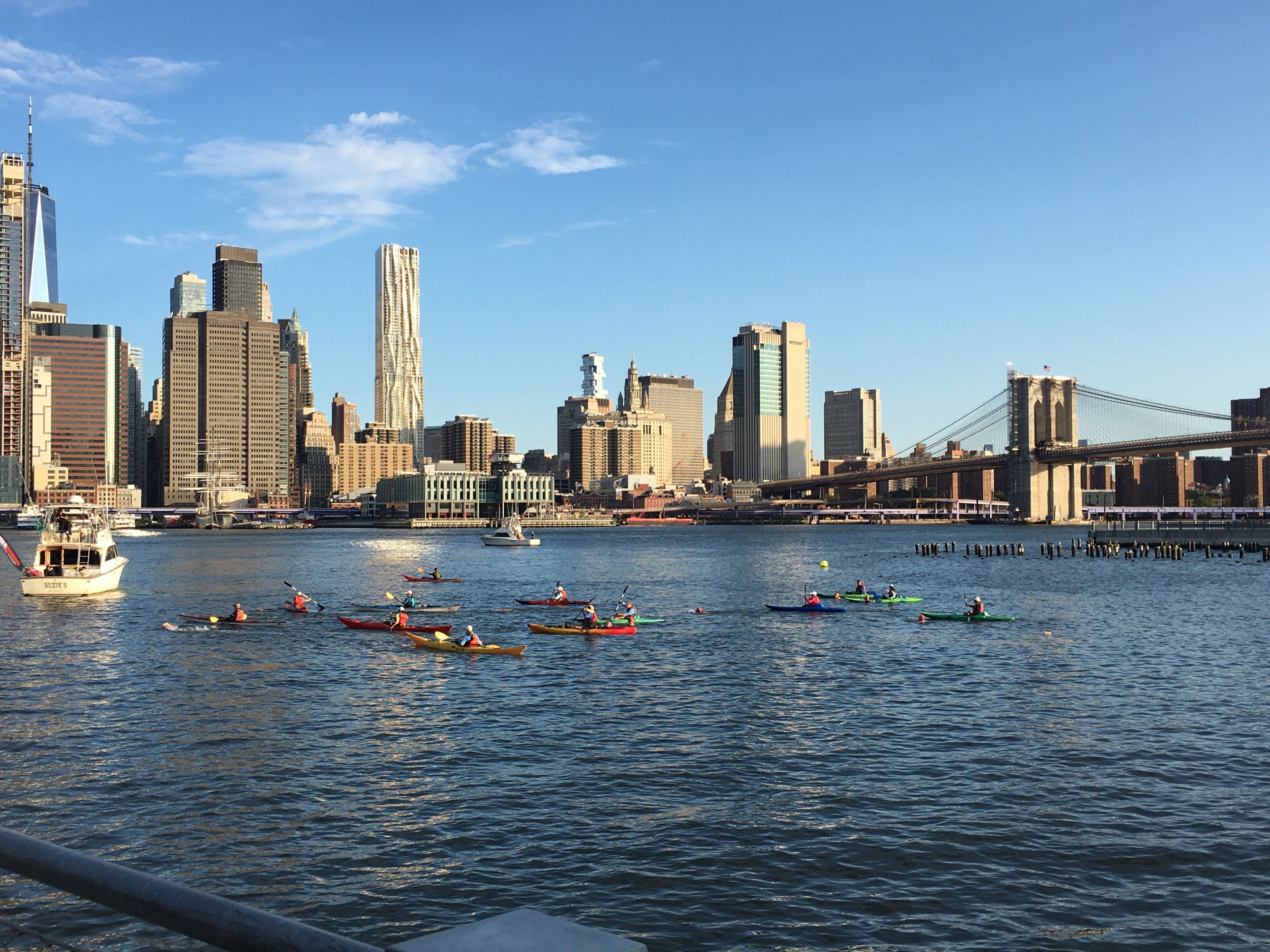
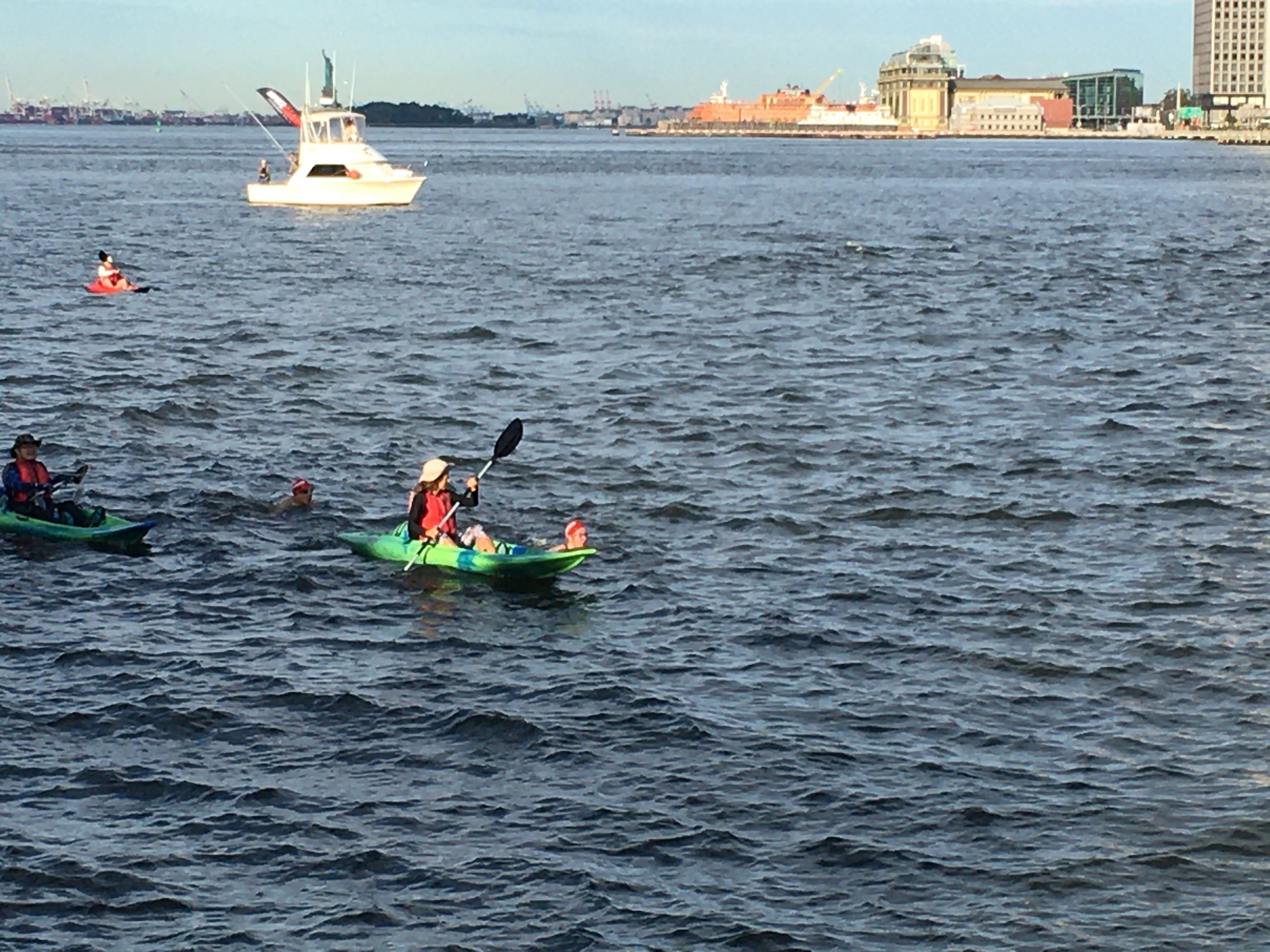
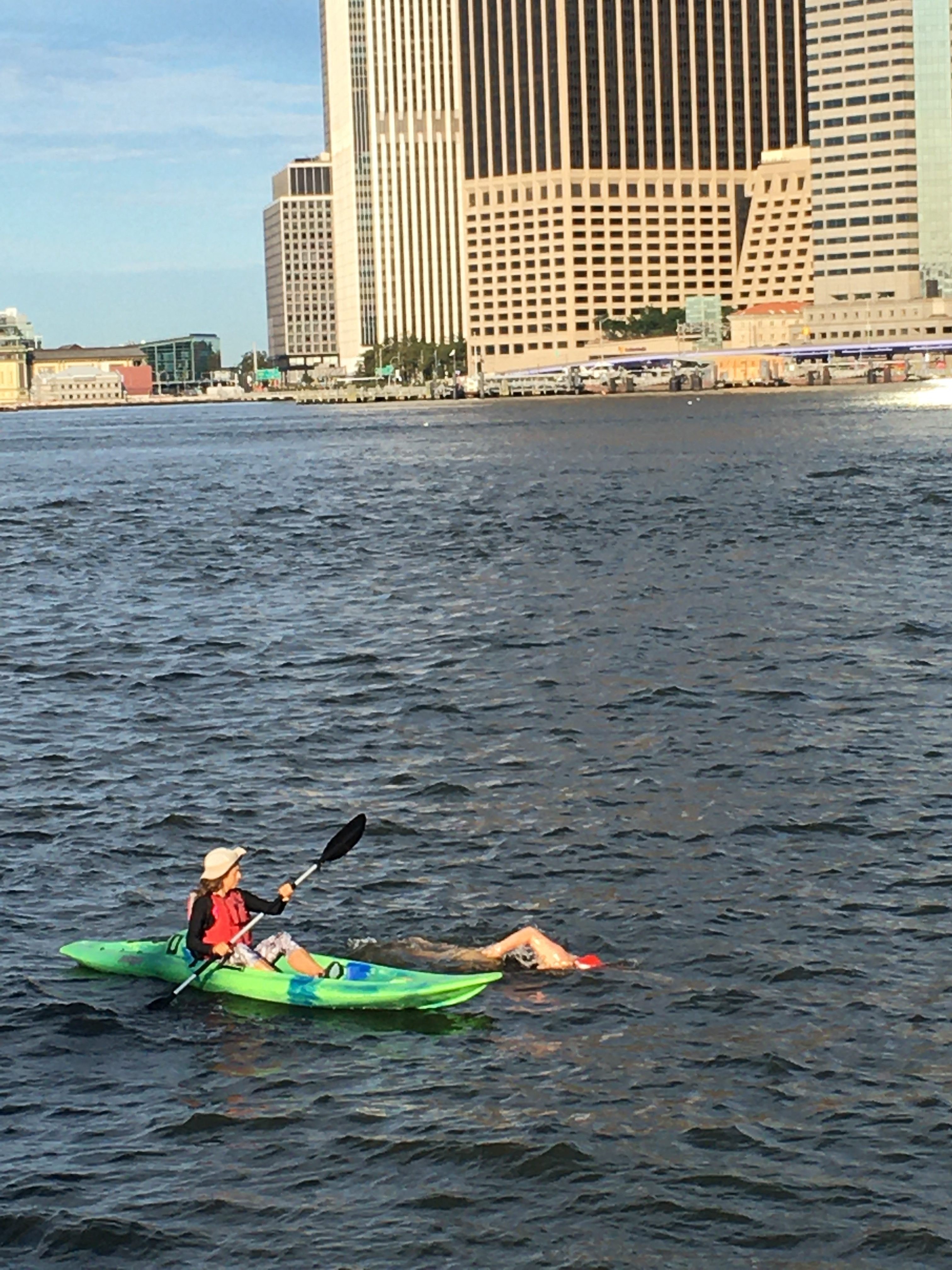
There’s a reason that it seems so outlandish to swim in a major city’s river, after all.
Cities that experienced Industrial Revolution–era booms often turned to their waterways as natural dumping sites for human and industrial waste. The Chicago River was once so polluted that its stench could make people sick.
And while the Clean Water Act of 1972 made waves in improving the quality of these waterways, they’re still far from being as clean as, say, your local pool.
For Robinson, that wasn’t a deterrent.
“The thrill of freestyling toward the Brooklyn Bridge made the floating trash around me seem almost charming,” she says. “Swimming somewhere so iconic and where people aren’t usually allowed to swim outweighed pretty much all of my concerns about pollution.”

It’s that kind of iconic access that could have the biggest impact on Chicago’s housing market.
“A swimmable river doesn’t just improve quality of life for existing residents, it changes who wants to live there, attracting lifestyle-driven buyers willing to pay a premium for outdoor access,” explains Hannah Jones, senior economic research analyst at Realtor.com®. “Over time, that shift in demand can quietly price out the longer-term residents and middle-earning buyers.”
In Chicago, neighborhoods along the river—including The Loop, River North, and River West—already command a slight sales premium over the broader city, in part due to their access to desirable features such as walkability, nightlife, and waterfront properties. A swimmable river would only add to that appeal.
“Properties with easy access to or views of the river likely already command a price premium, but a swimmable river raises the ceiling further, signaling the kind of sustained public investment and community quality that buyers actively seek out and pay for,” says Jones.
The real obstacle is infrastructure
But the city has its work cut out.
Ask any open-water swimmer, and they’ll tell you not to swim for 48 hours after a storm. Then, they’ll likely tell you about a time when they did and the terrible price they paid.
Heavy rain can overwhelm sewer systems, pushing polluted water and human waste into waterways. Friends of the Chicago River says as little as 0.3 inches of rain can trigger overflows at some outfalls.
Paris dealt with this problem by building a series of stormwater cisterns.
During heavy rain, contaminated waters are diverted into these holding areas where the water is treated, then gradually pumped back into the waterways. The biggest such cistern is the Bassin d’Austerlitz, which can hold the equivalent of 20 Olympic-size swimming pools.
But even with such comprehensive infrastructure and meticulous planning, two days of heavy rain were enough to push E. coli levels to unsafe thresholds, and the men’s triathlon swim had to be postponed.
It’s a good example of how difficult it is to deliver on the promise of a clean river. Even for cities that have wide-ranging support and the funding to back it up, the question of how to maintain the infrastructure that supports clean water is another challenge entirely.
How do you make a one-time effort into a lasting amenity?
For Chicago, lingering contamination and a lack of public infrastructure that would allow for safe access are two of the biggest hurdles ahead.
The city’s long-term river goals already tie progress to swimmable-water standards and major sewer and stormwater upgrades. The River Ecology and Governance Task Force has highlighted related work, including green stormwater infrastructure, habitat restoration, sewer improvements, and safer public access along the river.
Those efforts sit alongside Chicago’s 2014 Green Stormwater Infrastructure Strategy, which committed $50 million over five years for green infrastructure projects, and a broader $7 billion, three-year infrastructure program that included major water and sewer work.
If the city can deliver, the payoff could extend well beyond open-water swimmers. A river that functions as a true public amenity can make a city more livable, more connected, and more valuable.