King Charles‘ brother, Andrew Mountbatten-Windsor, is set to hand back another of his rented royal properties—mere weeks after he was arrested on suspicion of misconduct in a public office over his ties to sex trafficker Jeffrey Epstein.
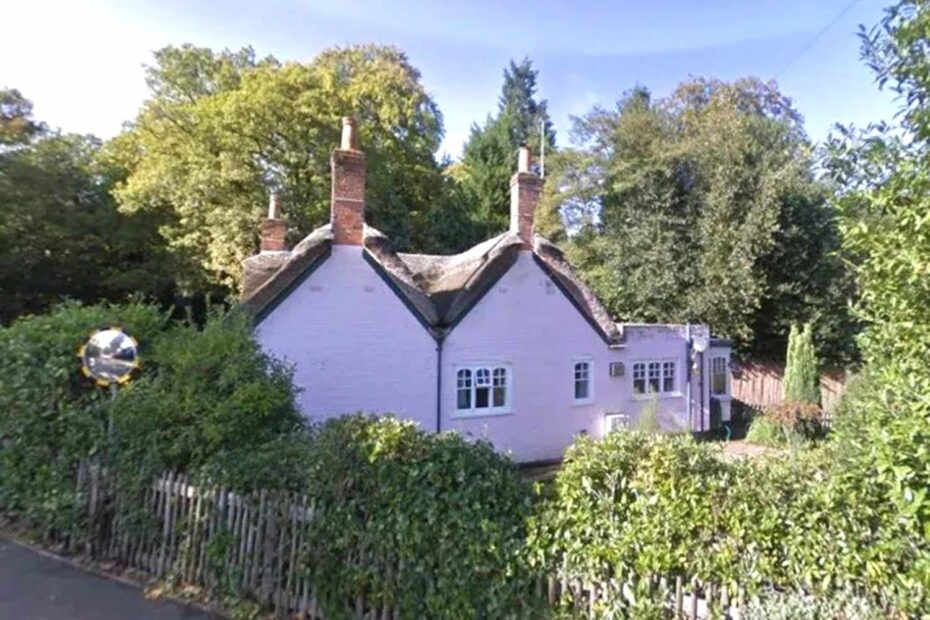
Andrew, who was taken into custody for 11 hours on Feb 19., the date of his 66th birthday, has reportedly requested to end his 28-year lease on a small cottage in Berkshire, England, which is known as East Lodge.
According to the BBC, Andrew leased the property in February 1998, when his rental payments totaled just $4,700 a year, although that amount had increased to around $17,400 by August 2025. Andrew is never thought to have lived at East Lodge, but instead used it as accommodations for his staff.
East Lodge is located just a stone’s throw from Sunninghill Park, an expansive mansion that was gifted to the disgraced royal and his ex-wife, Sarah Ferguson, as a wedding present from Queen Elizabeth II in 1986. The property served as the former couple’s marital home until their divorce in 1996, after which Andrew lived there for another eight years, before moving to Royal Lodge in 2004.
At that point, he put Sunninghill Park on the market—eventually selling it to Kazakh billionaire Timur Kulibayev for $20 million, about $4 million over his asking price, in a controversial deal in 2007.
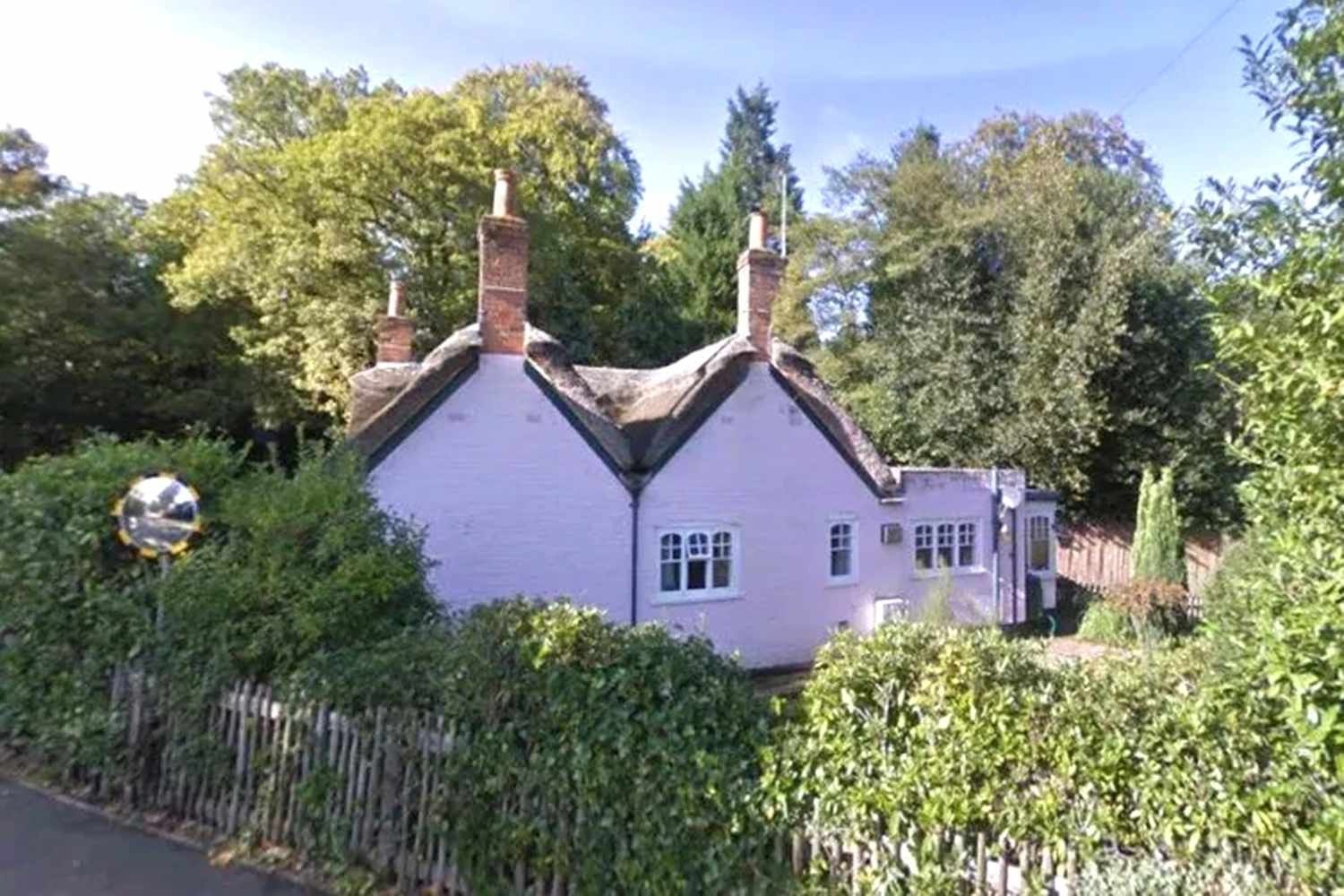
However, even after it was revealed that he was being evicted from Royal Lodge, which he moved out of in February, Andrew retained his lease on East Lodge, although he is now understood to have willingly offered to “surrender” the home back to the royal family. The lease that is currently in place is not due to expire until July 2027.
East Lodge is a Grade-II listed thatched cottage that is located in an area where rents can reach up to $10,000 a month, according to The Times of London, indicating that Andrew was paying well below market value for his lease of the home.
His decision to give up the lease comes amid renewed calls for Andrew to be removed from the line of succession, in which he currently sits in eighth position, behind Prince William, Prince George, Princess Charlotte, Prince Louis, Prince Harry, Prince Archie, and Princess Lilibet.
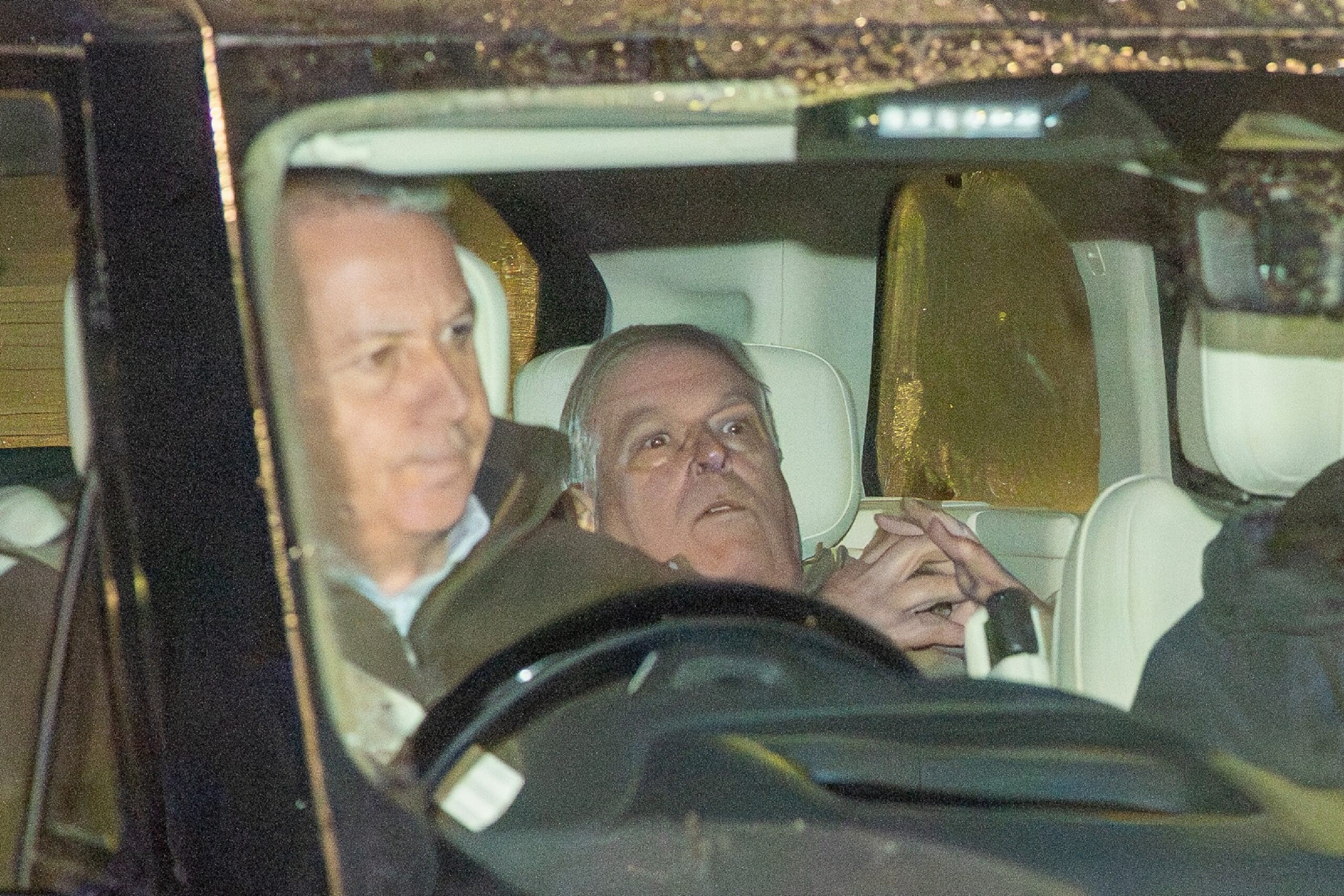
Andrew’s continued presence on the list has drawn criticism from many royal experts, particularly in the wake of his arrest on Feb. 19, when officers from the Thames Valley Police arrived at his Norfolk home, where he moved after leaving Royal Lodge last month, and took him into custody.
The incident marked the first time in centuries that such a high-profile member of the royal family had been placed under arrest.
The former royal was taken to a nearby police station and questioned, eventually being released after around 11 hours. It is currently unclear whether the authorities plan to press any charges against him.
In a statement, the Thames Valley Police said: “We understand the significant public interest in this case, and we will provide updates at the appropriate time. Following a thorough assessment, we have now opened an investigation into this allegation of misconduct in public office.”
Misconduct in public office is known to be a fiendishly tricky crime to prove—and lawmakers have faced criticism over a lack of clarity in the ability to convict.
Per the Crown Prosecution Service, the institution that prosecutes criminal cases in England and Wales, misconduct in public office, or MiPO, involves the “serious willful abuse or neglect of the power or responsibilities of the public office held.”
!['Royal Lodge, Windsor: The Country Home of the Royal Family', 1937. A Grade II listed house in Windsor Great Park in Berkshire, England, known as the Royal Lodge since the late 1820s. From "George VI, King and Emperor", by Major J. T. Gorman [W. & G. Foyle Ltd., London, 1937]. (Colorised black and white print). Creator: Unknown. (Photo by The Print Collector/Heritage Images via Getty Images)](https://ekoteck.com/wp-content/uploads/2c29eaffabf8b67878a4e2d24cb75c5bw-c3407312881srd_q80-3.jpg)
Officials must prove that there is a “direct link between the misconduct and an abuse of those powers or responsibilities” to convict.
At the same time, officers were seen searching his former residence at Royal Lodge, as well as Wood Farm, the property on the royal family’s Sandringham Estate where Andrew is now living.
In a statement released about the arrest, King Charles said that he “learned with the deepest concern the news about Andrew Mountbatten-Windsor and suspicion of misconduct in public office,” which carries a maximum sentence of life in prison in the U.K.
He added, “What now follows is the full, fair and proper process by which this issue is investigated in the appropriate manner and by the appropriate authorities. In this, as I have said before, they have our full and wholehearted support and co-operation.
“Let me state clearly: the law must take its course.”
The former prince, who was stripped of all his remaining royal titles in October 2025, has adamantly denied any wrongdoing in connection with Epstein.
Andrew’s involvement with the sexual predator was thrown into the spotlight yet again after the Department of Justice released a trove of images, documents, and emails from the Epstein files.
Multiple emails sent between Andrew and Epstein were included, as well as images of the former prince with different women.
Among those emails are messages that suggest Andrew may have shared confidential documents with Epstein while he was serving as U.K. trade envoy in 2010—and it is this correspondence that is understood to have triggered the police investigation into the former royal.