A New Jersey town, once bustling with industries and factories, is slowly transforming itself into a cozy and convenient suburb.
Harrison is in the shadows of New York City—about eight miles by car. Its population sits around 20,000. Developers have taken notice of its untapped potential as a housing hub—thanks to its easy access to public transportation, highways and a major airport.
“Harrison distinguishes itself by maintaining a small, ’boutique’ scale that offers a sense of exclusivity and neighborhood control that a massive metropolis like Newark cannot easily replicate,” says Hannah Jones, senior economic research analyst at Realtor.com®.
But Harrison has long been known as an industrial town. It’s not as big as its neighbor Newark, which has a median list price of $429,000 and about 133 active listings as of January. Homes in Newark spend about 62 days on the market.
It’s the opposite in Harrison, where there are only 16 active listings on Realtor.com (as of this writing), and most are multifamily homes located in densely populated neighborhoods.
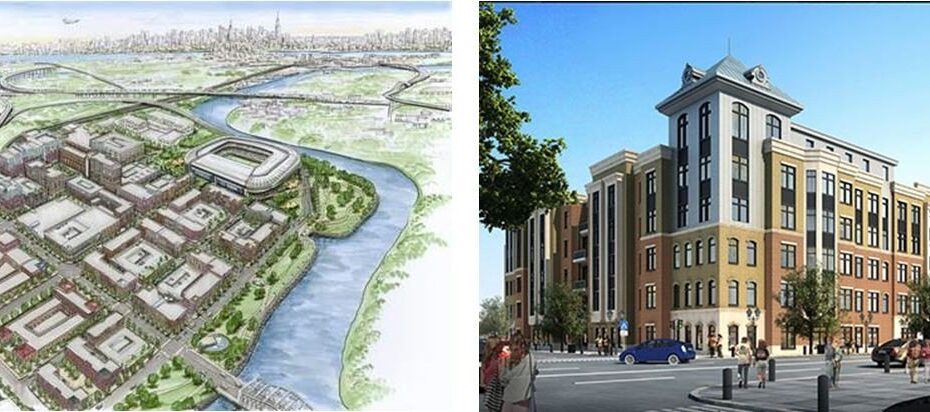
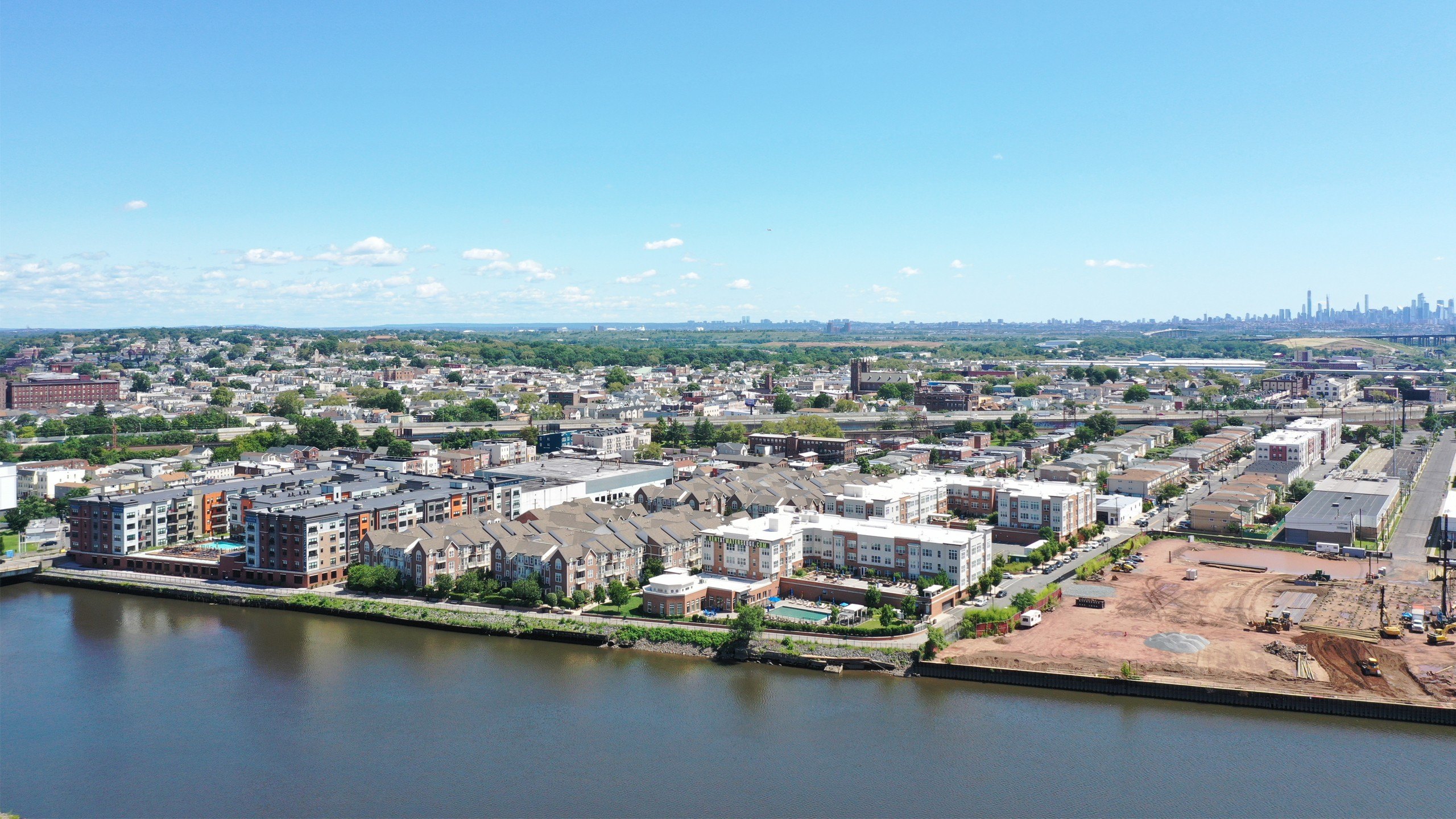
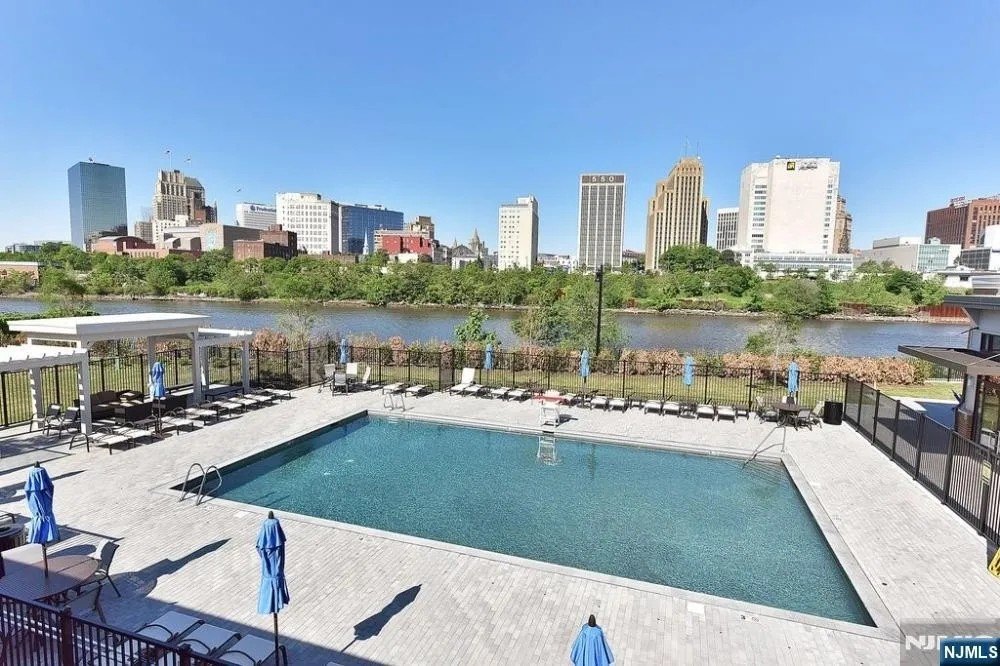
The turnaround of this town has been centered in the Riverbend District along the Passaic River, which is now filled with luxury apartments and retail—a hidden gem in a once factory town.
Riverfront revival
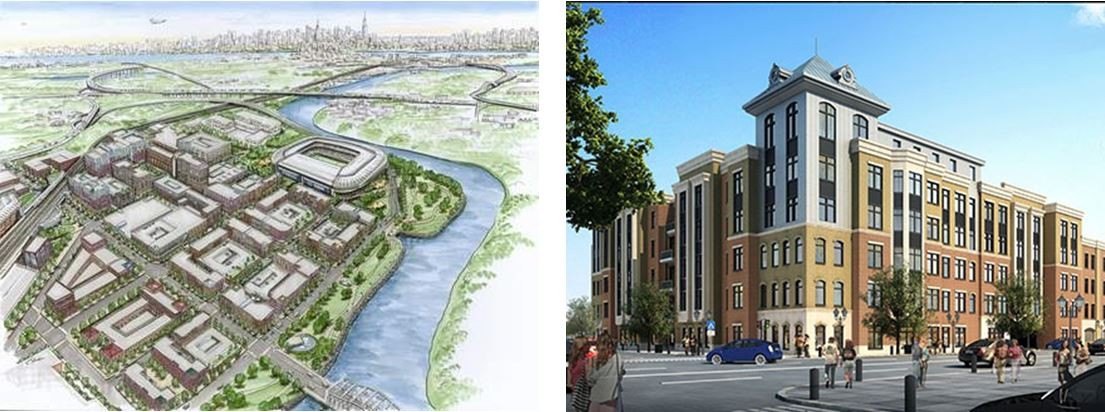
The Riverbend District was established in 2005, and the first phase of a $750 million Harrison Station project was completed in 2011. A mixed-use building was created near the trains (known as PATH), which run back and forth from Harrison to New York City. About 275 apartments and 12,000 feet of retail space were built and it was fully leased within a year.
“Strategic transportation hubs act as a magnet for private investment, turning dormant industrial land into high-value residential real estate,” Jones explains. “By offering a direct and reliable link to global economic centers like New York City, a small town can bypass local economic stagnation and become a primary residence for high-earning commuters. Ultimately, robust transit reduces the cost of distance, making a city grow faster because people are willing to pay a premium for the time they save every day.”
The second phase in the riverfront revival was finished in 2014, and this time, it included a 138 room hotel by Westin. That same year, the third phase was put into motion to add 320 residential units and more retail space.
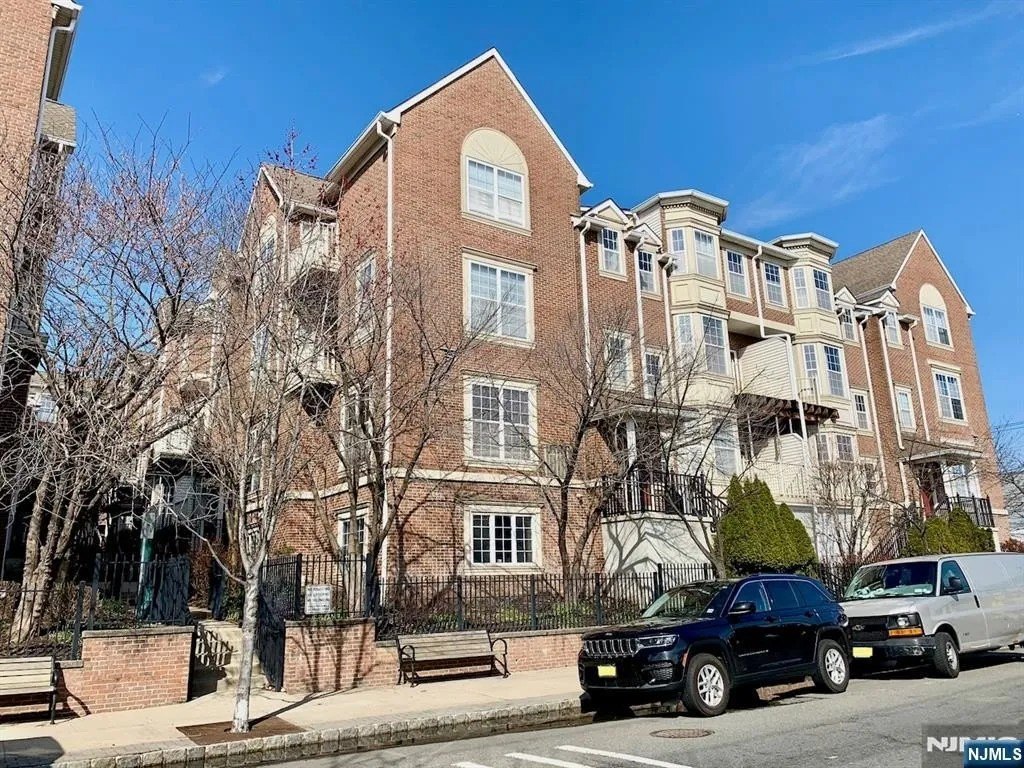
Meanwhile, along the river, luxury apartments and condos were built as well as a Marriott hotel, and green space was transformed for residents and locals to enjoy.
The neighborhood is near Sports Illustrated Stadium where Major League Soccer teams the New York Red Bulls and Gotham FC play, the Prudential Center (home of the NHL’s New Jersey Devils), and the New Jersey Performing Arts Center.
It’s quite a transformation from decades ago when factories drove the economy.
Industry names
Harrison’s industrial growth dates all the way back to the 1800s. Edison Light Works opened up a factory—with 150 workers—in 1882 to manufacture the incandescent bulb. By 1912, 4,000 people worked in the plant, but the factory was phased out in 1929, when operations were moved to other parts of the country.
The factory didn’t stay empty for long. R.C.A bought it and started making radio tubes—over 3 billion radio tubes were manufactured at that single location. The company expanded its campus to nearly 10 acres with 26 buildings, but new technology eventually saw the demise of the factory, which closed its doors in 1976.
The same could be said for The Crucible Steel Co. which was active in the 1900s through World War II, making wartime equipment. Later it turned into a locomotive shop before closing.
Since the factories’ closing, environmental cleanup has been key to making the residential projects a success. Now, people looking for a more affordable, but yet convenient, walkable alternative to the likes of Hoboken or Jersey City are willing to move a bit further to Harrison.