
In a competitive market, sellers are counting on ways to make their home stand out. Virtual staging through AI has become a tool to enhance home listings.
But New York City real estate agent Louise Phillips Forbes of Brown Harris Stevens, with nearly $6 billion in sales to her credit, says AI often can’t compete with good, old-fashioned staging.
She found this out when she virtually staged two of her properties—and they didn’t sell.
When she listed 317 West 89th, Unit 9E, she originally staged it virtually.
“We had it virtually staged for months,” she tells Realtor.com®. It didn’t sell, so eventually she decided to shift to physical staging to better showcase the home’s craftsmanship and positioning.
“The technology of virtual staging can tell a story, but often falls flat from real-life touching and experiencing the furniture in a space,” she says.
Once she had the residence physically staged, she says the difference was night and day.
“The difference is, it garnered a tremendous amount of interest in the digital listing. And we’ve had a lot of second and third showings,” she says. “People can see themselves living in it now. It accelerated that emotional connection and created a sense of urgency.”


While staging often costs between $7,000 and $10,000, she says it will “often pay for itself—because the property will sell faster or you’ll get a higher purchase price.”
For another one of her properties at 440 East 62nd Street, 15B, she initially launched it with virtual staging for four months. She had one offer that fell through.
After relisting the unit with full staging, the home saw a 169% increase in views and 50% more inquiries and tours, with multiple serious buyers expressing interest and submitting offers.
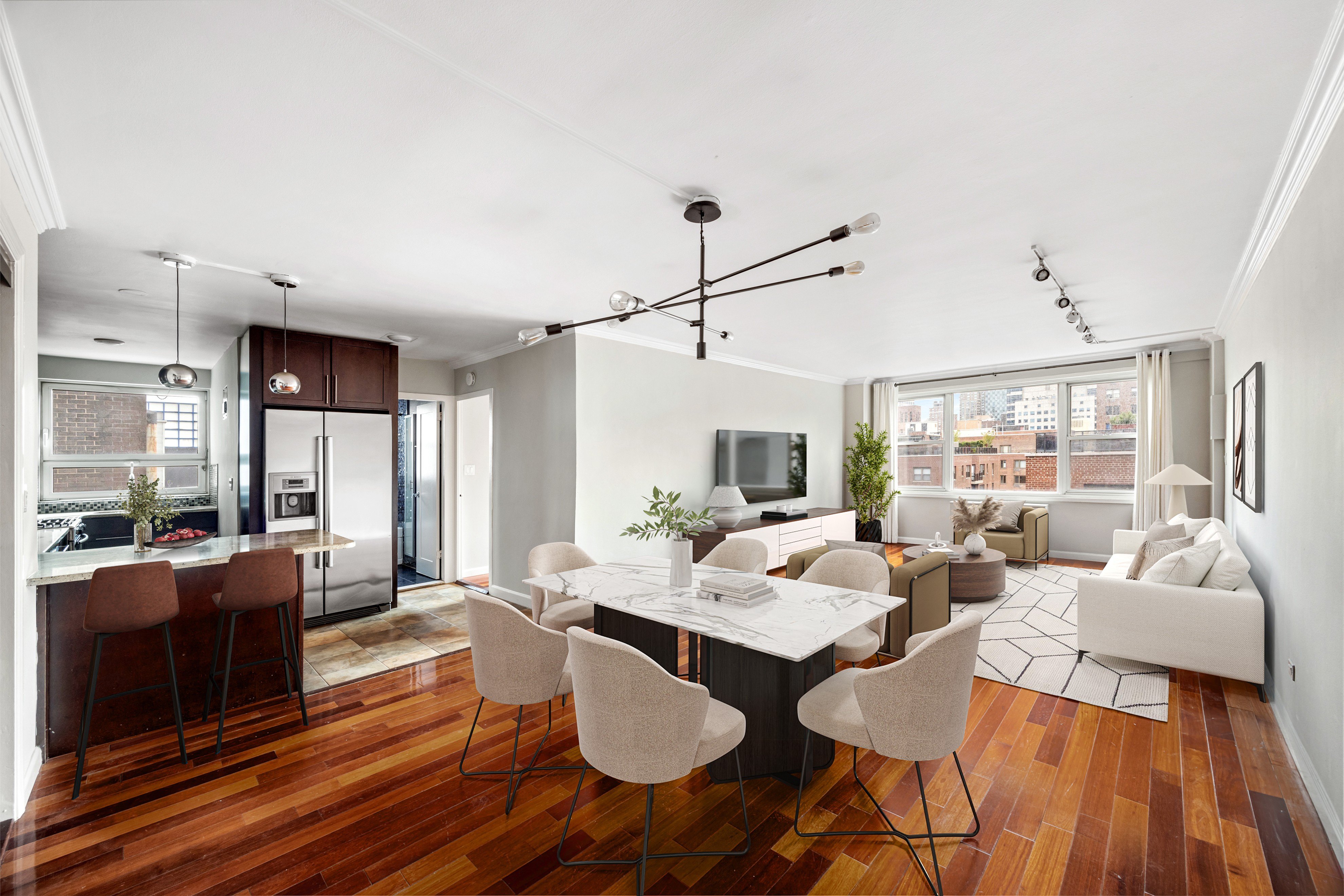
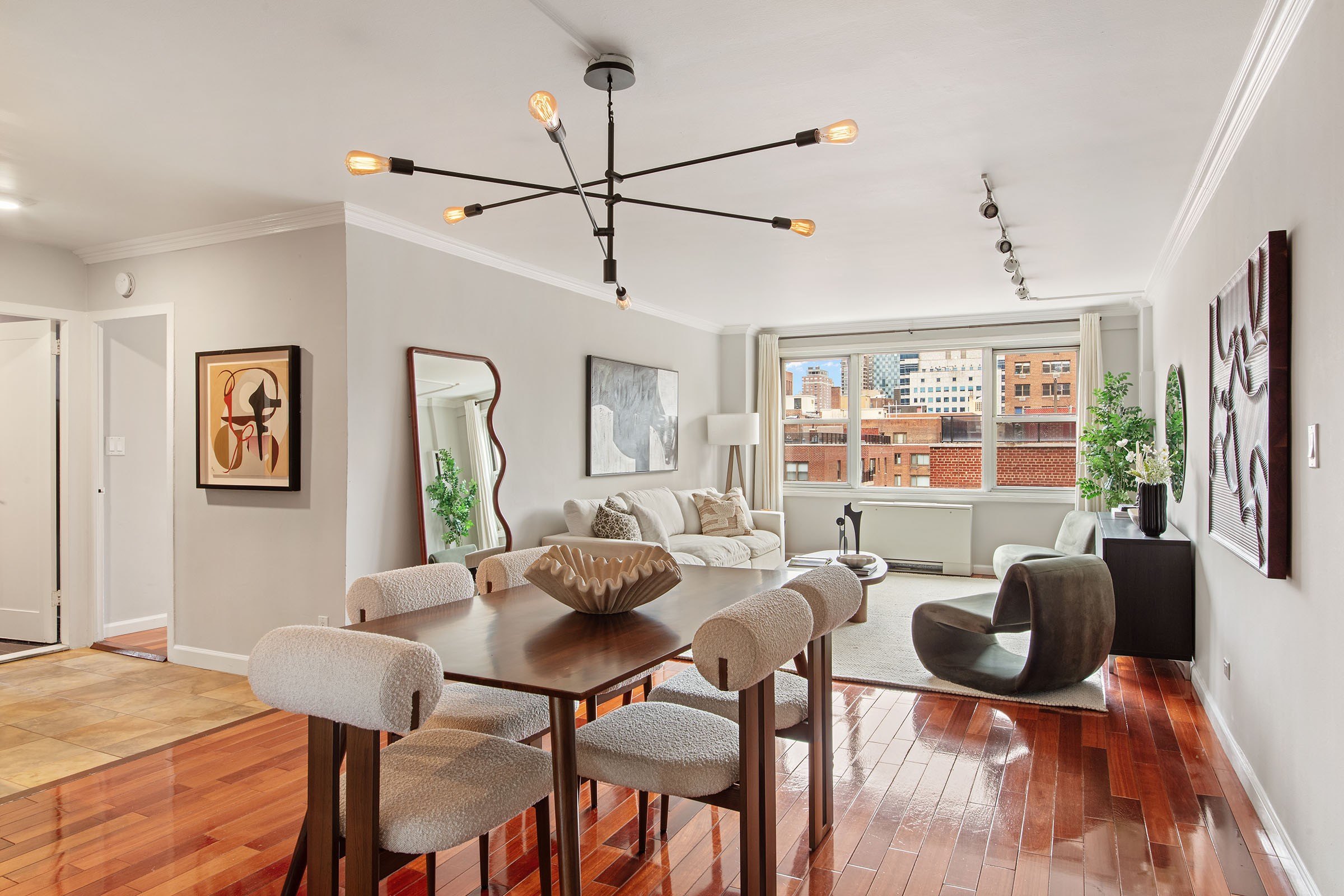
Forbes says it really refreshed the listing and drew people in.
“It’s a very big one-bedroom, but no one could appreciate the scale of it, looking at it virtually,” she says. “There’s nothing better than the actual brick and mortar, having the dining room table you can actually sit at. We’ve had more return visits and had much more interest.”
She knows some people’s financial situations don’t allow for staging—but says if you have the option, it helps buyers clearly picture how they would live in the space.
“Fifteen years ago, I thought staging was a waste of money, but I have been proven wrong so many times,” she says. “I’m a big proponent.”
Even though she knows AI is here to stay, she says, “the real thing is always better digital.”
The case for physical staging
Forbes says AI can inspire, but staging sells.
“Digital renderings and AI-generated images can spark interest, but buyers ultimately respond to what they see and experience in person,” she says. “A beautifully staged home ensures the real-life showing surpasses initial expectations.”
Staging creates an emotional connection as well, she adds.
“Well-executed staging highlights scale, layout, and flow, allowing buyers to picture how they would actually live in the space,” she says.
For homes that have spent time on the market, staging can offer a powerful reset, she says. “A new look can shift perception, generate renewed interest online, and encourage buyers to take a second look.”
Finally, Forbes says the staging costs are a small investment toward the bottom line.
“Compared with price reductions or extended monthly carrying costs, staging is often a relatively modest expense that can significantly improve buyer perception and help sellers achieve stronger results,” she says.