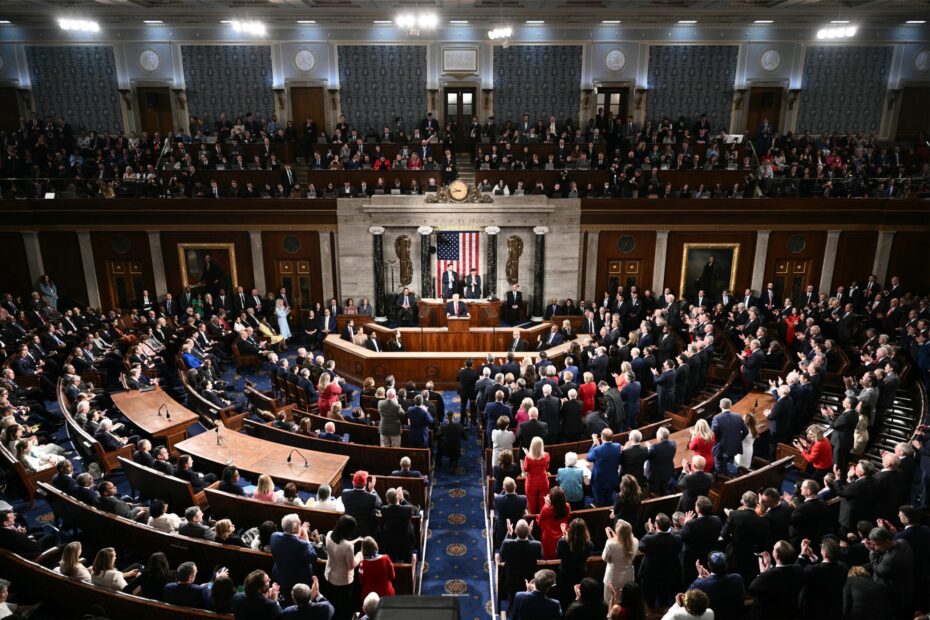
U.S. Sen. Elizabeth Warren challenged major build-for-rent landlords to share information about their businesses, as the threat of an outright ban on institutional investors looms.
The Massachusetts Democrat sent letters to 14 major real estate companies asking them to share data on their business practices and portfolios. The names include major diversified real estate investors such as Blackstone, Greystar, and Starwood Capital. It also includes niche single-family rental companies that own tens of thousands of homes for rent.
All 14 of the investors either declined to comment or didn’t respond to requests from Realtor.com®.
In a statement, the National Rental Home Council defended the industry and called for “reforms that expand supply and encourage investments in all housing types.”
“Our members offer quality homes to hardworking families who prefer the flexibility of renting or who are not yet positioned to buy,” it said. “Renting a single-family home is the preferred option for many of these families.”
Investor ban finds broad support
A ban on institutional investors in the single-family housing market is a priority of President Donald Trump, who signed an executive order to limit these investors’ single-family homes. The Senate passed a bill in March that codified that ban, calling out investors with more than 350 homes.
There are significant carve-outs. But the ban targets not only those that own single-family houses, but also firms that build single-family homes and rent them out long-term as a business strategy. The Senate’s bill must be reconciled with a similar version the House passed, which does not include the ban.
But the proposal is popular with the public, Warren said. She cited a poll that found broad support for legal constraints on investors in the housing market.
“Allowing private equity firms and other large institutional investors to snatch up thousands of homes can make it impossible for individuals and families to buy their own home,” Warren said.
Both the National Association of Home Builders and the Mortgage Bankers Association publicly asked Congress to revise the language curtailing investors. They each feared the language would discourage homebuilding.
Any definition of the size of these institutional investors, be it by number of homes or assets under management, carries risks, experts tell Realtor.com. Small investors and family groups often amass dozens of properties. And build-for-rent housing adds supply to the market.
Reconciliation
Arkansas Rep. French Hill, a Republican who chairs the House Financial Services Committee, recently told CNBC the language for the investor ban needed adjustment.
“There’s some real problems with the drafting language in the Senate bill,” Hill said of the ban, noting MBA and NAHB resistance. “We’d like to see that language corrected, keep President Trump’s goal.”
The House has concerns with several other provisions, including some new programs and the digital currency language. But the investor ban was top of mind, he told CNBC.
“This is increasing housing supply, of course, across the country, where many millions of people, probably a third of home formations, are rental rather than buying a home first out,” Hill said. “There are a million reasons why one rents, and to force the private sector to sell those houses in some arbitrary date of seven years is a real problem for a lot of members of the House.”
Trump, though, has stuck to his guns on adding limitations for institutional investors in the housing market. His January executive order did not define the term. Other Republicans followed him, arguing that build-for-rent developers owning properties stifles homebuying.
“We want America to be a nation of owners, not renters,” Trump said this month.
Wall Street reacts
Four of the 14 companies Warren sent letters to are public, with stocks that have sunk by double digits since Trump first took aim at the industry in a social media post earlier this year.
Dallas Tanner, CEO of Invitation Homes, said at a conference earlier this month that he’s been spending a lot of time in Washington meeting people from both sides of the aisle, working with consultants and lobbyists.
The added attention has chilled the industry, he said, and that’s reflected in the company’s valuation. Invitation, which owns 86,000 homes, has seen its stock fall 11% to $24.47 a share on Friday.
“Since the tweet, and the corresponding executive order, capital flow has been stymied, to say the least,” Tanner said. There are “a lot of deals sitting on an investment desk that aren’t sure what to do.”
Bryan Smith, CEO of American Homes 4 Rent, which holds about 61,500 single-family properties, said on a February earnings call that the company is engaging with lawmakers at every level of government, but the potential impact on it remains unclear.
That company’s stock has also fallen 12.5% this year to $27.38 on Friday. Mid-America Apartment Communities is down 12.5% to $120.57. Blackstone, which also has exposure in the struggling commercial real estate sector, has also seen its stock fall 30% year to date.
Tanner said the companies, ultimately, are trying to get the message out that they are a benefit to the housing market.
“While there’s no guarantees, my expectation is this will work itself through over the coming months,” Tanner said. “What’s been a net benefit of the moment is there’s been really healthy dialogue about the industry. And I think people have a lot better understanding about who we are, who we serve, and what the businesses actually do.”