There is a population slowdown across the United States, which is being attributed to immigration enforcement, according to new data from the Census Bureau. But some cities are growing nonetheless.
The Census Bureau released updated local population numbers Thursday, reflecting July 1, 2025. About 80% of the counties that were growing in the years before slowed the pace of growth from 2024 to 2025. And 310 of the 387 U.S. metro areas saw their growth slowdown.
The census cited slower net international migration for the numbers, especially in areas close to the U.S.-Mexico border. The top three population declines by percentage were Laredo, TX; Yuma, AZ; and El Centro, CA.
But many major cities, including New York City, also saw slowing growth because they are immigration hubs, said Census Bureau demographer George Hayward.
Overall, the United States saw population growth cut in half, growing half a percent from 2024 to 2025 compared with 1% the year before. That meant adding just 1.78 million people last year instead of 3.25 million. The census showed 341.8 million as of July 1. That’s since grown to 342.4 million as of Thursday, census data show.
Florida and Texas metros defy the slowdown trend
Percentage-wise, Ocala, a city in central Florida north of Orlando and Tampa, led the nation in growth. It added about 14,700 residents, or 3.4% of its population.
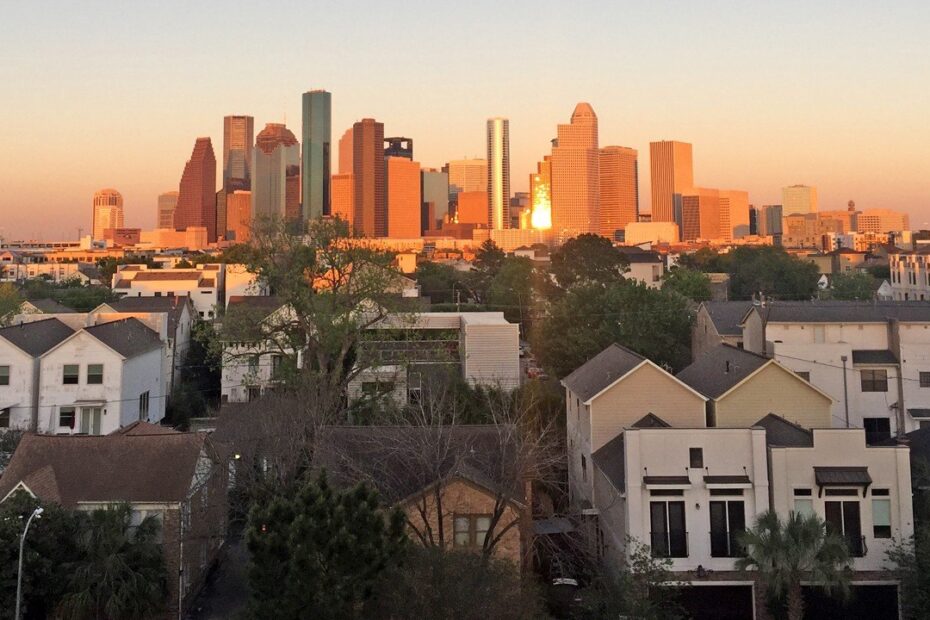
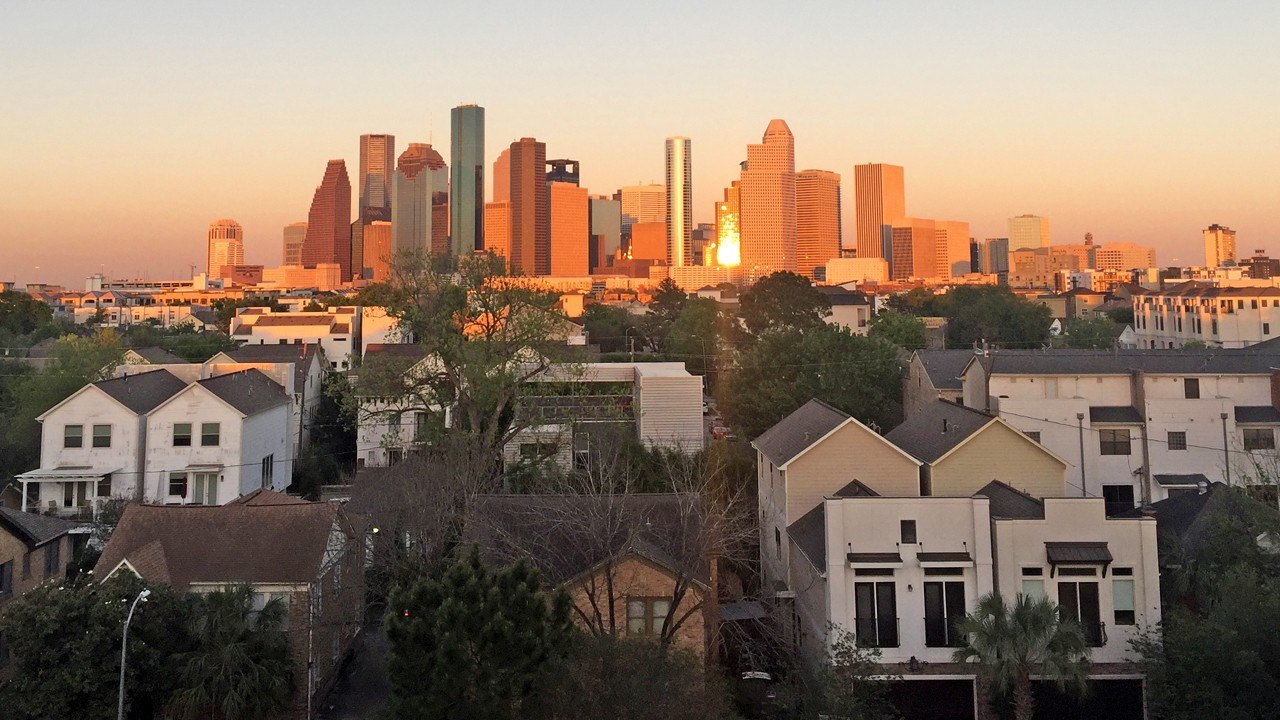
The Houston metro topped all others by growth in raw numbers. It added 126,720 people to grow to 7.9 million. That’s an average of 341 new people a day.
Both cities show that, in a difficult housing market, people value affordability and economic opportunity, says Realtor.com® economist Hannah Jones.
Ocala, for instance, is the most affordable major metro in the state with a median listing price of $299,250 last month, Jones says. Compare that to $400,000 in Tampa, $415,000 in Orlando, or $500,000 in Miami.
“But Ocala is not just a fallback option,” says Jones. “It offers genuine lifestyle appeal through its equestrian culture, outdoor recreation, and small-town character, while benefiting from a growing health care and logistics job base.”
And Houston is a story of “scale and economic gravity,” Jones adds. That’s thanks to permissive zoning and lots of developable land that has allowed new housing supply at a rapid clip. A diverse economy and strong job creation makes it a rare place with both lucrative jobs and an attainable housing market.
On the other hand, Los Angeles lost 53,900 residents. Florida’s Pinellas and Miami-Dade counties each lost over 10,000 residents. Queens in New York and Orange County in California each lost about 9,000.
Fastest-growing cities are in the Southeast
The trends have major implications for the country. The fastest-growing counties are concentrated in Southeast states, like Florida, Georgia, and the Carolinas. They’re seeing new population while traditional immigrant hubs see their population gains wither.
“From a housing perspective, this divergence carries real implications,” says Jones. “Population softening in high-cost gateway cities could modestly ease demand pressure there over time, while the continued domestic migration boom into Sun Belt metros and their suburbs will sustain housing demand.”
Immigration has proven one of the major political divides in 2026. It has stalled other priorities in Washington in the meantime, including the largest housing reform bill in decades.
President Donald Trump didn’t directly comment on the population numbers during his cabinet meeting Thursday. But he reiterated his hardline immigration policy that he said is cracking down on “criminals that came into our country.”
Immigration policy is the true cause of the weeks-running shutdown of the Department of Homeland Security, he said.
But it could also be the reason why some cities are still growing.
“Immigration is a big reason why we’re thriving,” said Andrew Ginther, mayor of Columbus, OH, which grew at a faster pace than the rest of its state. “Our community resources will not be used as tools of discrimination or fear. To our immigrant neighbors, you belong here.”