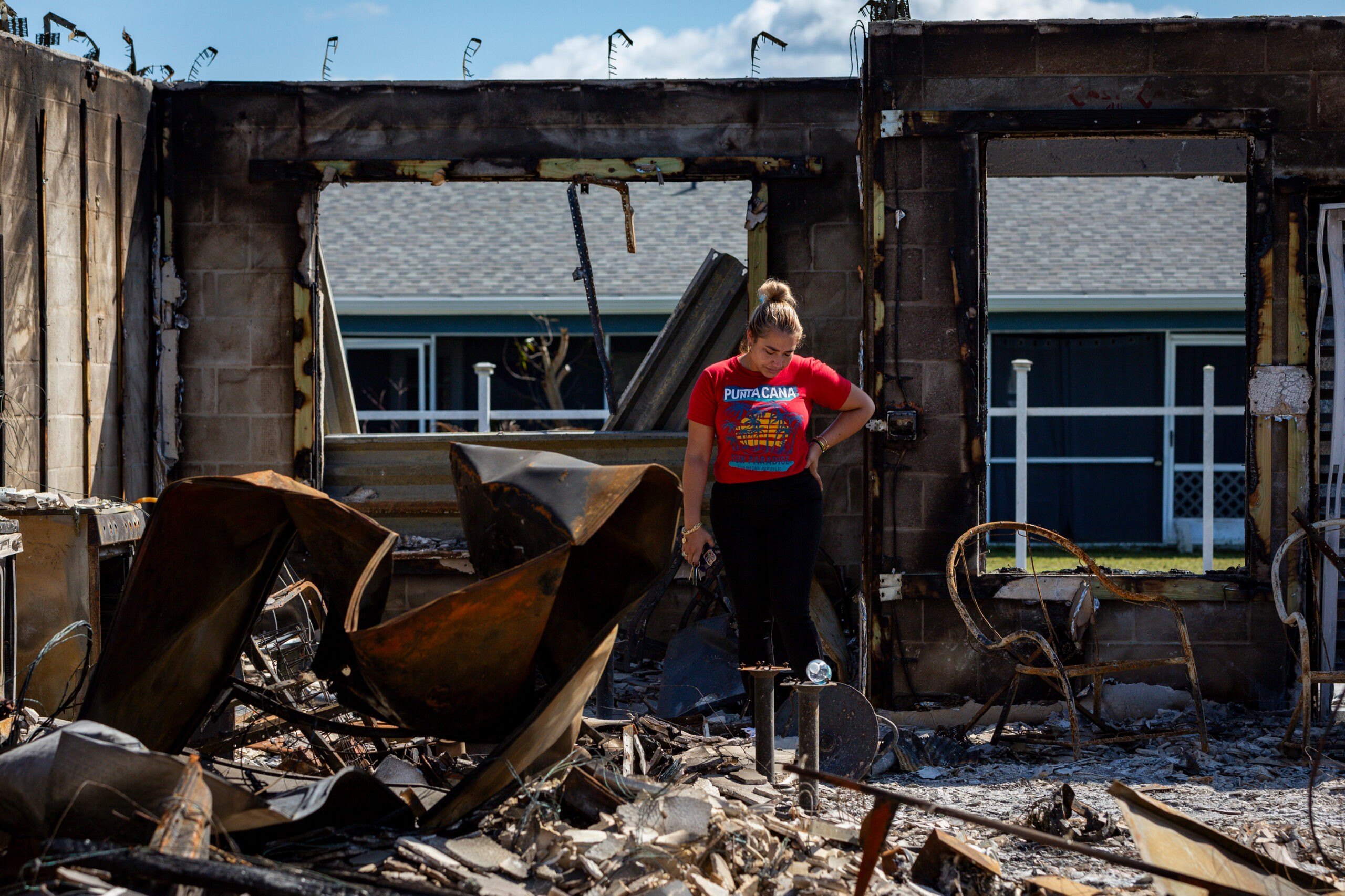
FEMA has announced that it’s approved a six-month extension of direct temporary housing assistance for survivors of Hurricanes Helene and Milton who remain in FEMA-provided housing.
Since Hurricanes Helene and Milton, FEMA says it’s provided 649 families with mobile homes, travel trailers, and other ready-to-occupy units.
The extension gives eligible residents without a scheduled move-out date the ability to remain in FEMA-provided temporary housing on a month-to-month basis, with coverage running through Oct. 11, 2026.
FEMA representatives will continue meeting with residents each month to check on their progress toward permanent housing, as required by the program.
The original 18-month housing period was set to end on April 11, 2026.
With this extension, residents occupying FEMA units will have additional time to secure permanent housing.
Rent will now be charged
In accordance with FEMA housing program rules and regulations, residents occupying FEMA units after April 11, 2026, will be required to pay monthly rent.
They hadn’t been required to pay rent up to this point.
Rental rates will vary based on unit size and location but will not exceed the U.S. Department of Housing and Urban Development’s Fair Market Rate.
To reduce the financial burden, a gradual rate schedule will be applied.
Residents will pay 25% of the HUD Fair Market Rate in April and May, increasing to 50% in June and July, then 75% in August and September, before reaching the full HUD Fair Market Rate in October.
Beth Trigg, director of resource mobilization and partnerships for Swannanoa Communities Together in Asheville, NC, told the Asheville Citizen Times that the housing nonprofit was in support of a one-year extension.
“We’re disappointed that it’s not a year, but we’re grateful that it’s at least extended out to the two-year anniversary of the storm,” said Trigg—adding that many renters “got little to no support from FEMA at any point” and are relying on outside organizations for help.
But she added, “It’s really great that they don’t have to be out at the end of March because losing housing when you don’t have a permanent housing solution is just going to increase the number of unhoused families and people who are back in the cycle of displacement.”
Hurricane Helene devastation
Hurricane Helene made landfall on Sept. 26, 2024.
The Category 4 storm brought 140 mph winds, causing widespread flooding and damage in seven states. It also took the lives of 249 people, according to the National Hurricane Center.
The hurricane caused about $78.7 billion in damage, with thousands left homeless.
The storm moved its way north through Florida, Georgia, northwestern South Carolina, western North Carolina, and eastern Tennessee.
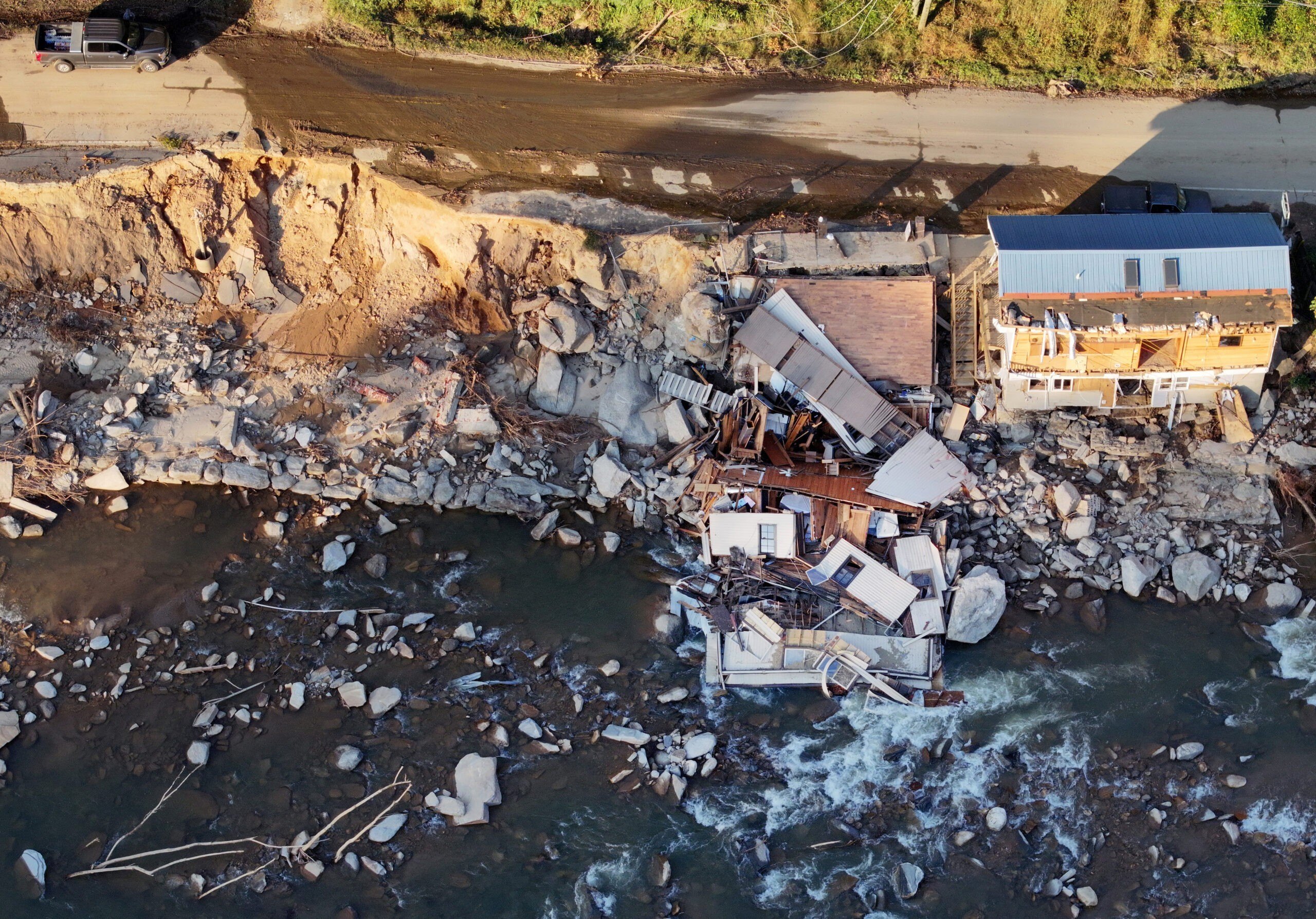
In western North Carolina, Helene hit many homes in mountainous regions, with some being left under 25 feet of water.
In the Tar Heel State alone, 106 people lost their lives. Cities such as Asheville, Chimney Rock, and Black Mountain bore the brunt of some of the worst destruction.
The highest measured wind gust was recorded at Mount Mitchell at 92 mph, according to NOAA.
Hurricane Milton damage
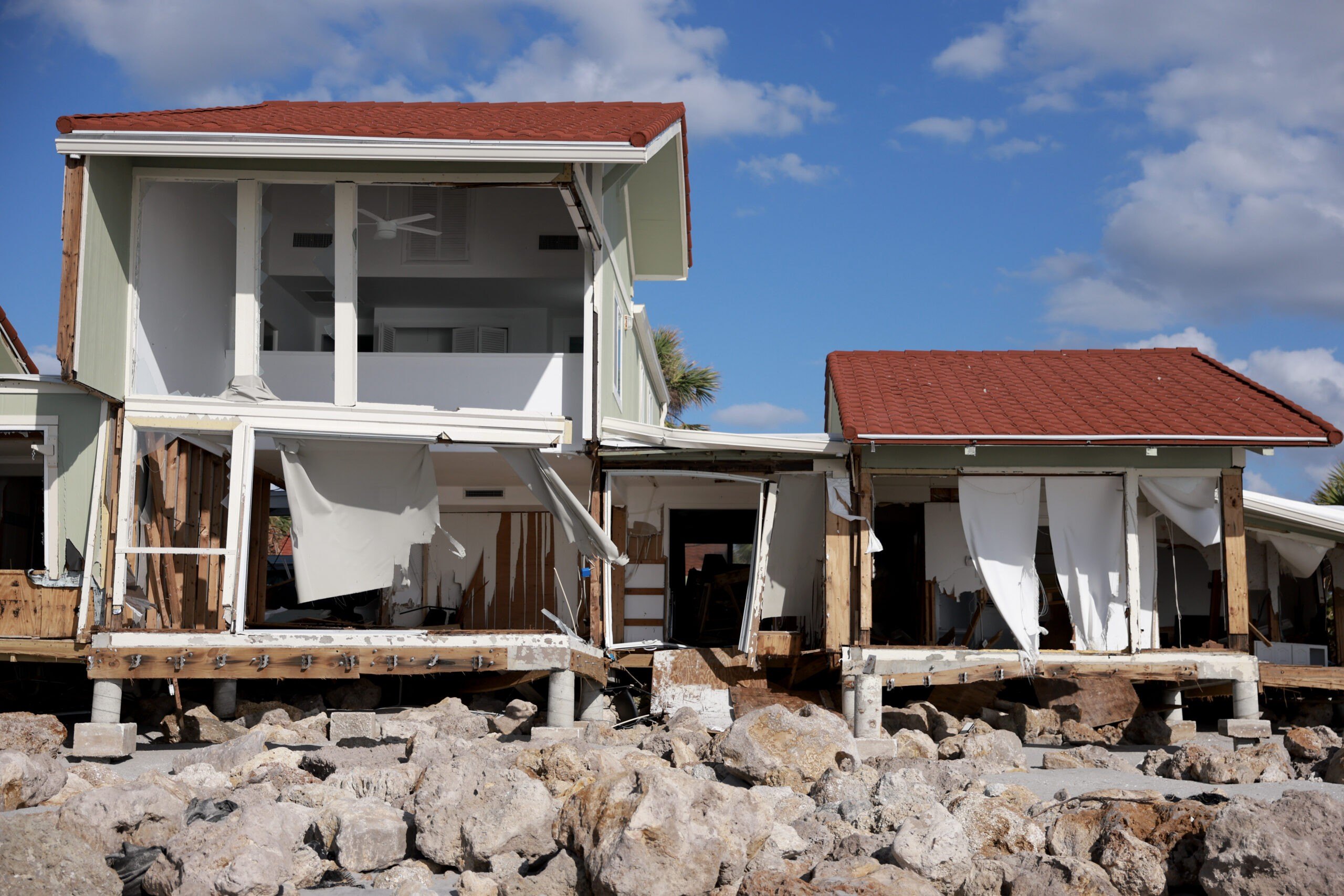
Hurricane Milton made landfall on Siesta Key, FL, on Oct. 9, 2024, just 12 days after Hurricane Helene swamped the island off Sarasota, FL, with a storm surge that reached up to 7 feet.
Milton was one of the strongest hurricanes on record in the Atlantic basin, reaching Category 5 as it took an unusual eastward track across the Gulf.
It made landfall as a Category 3, causing major damage in the Sarasota and Tampa, FL, areas.
In the U.S., Milton was directly responsible for 12 deaths and caused an additional 27 indirect deaths, all in Florida, according to the National Hurricane Center.
The hurricane caused $34.3 billion in damage in the U.S., almost exclusively in Florida.