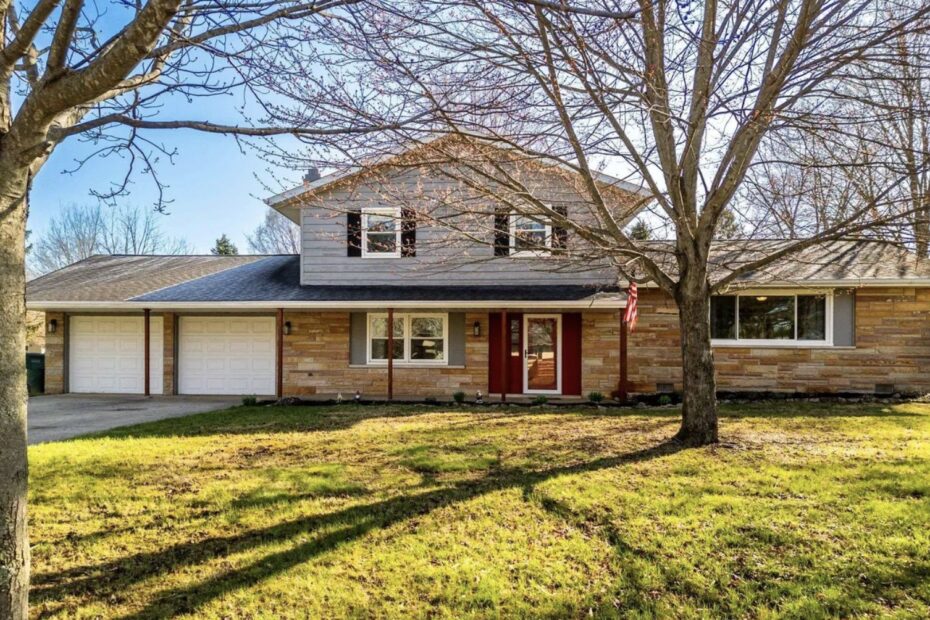
Foreclosure filings climbed 20% year over year in February, marking the 12th straight month of annual growth—with states across the Midwest and South emerging as the primary distressed hot spots.
There were a total of 38,840 properties across the U.S. with foreclosure filings, which encompass default notices, scheduled auctions, or bank repossessions, down 4% from January but up 20% compared to February 2025, according to the latest Foreclosure Market Report from ATTOM, a leading curator of land, property data, and real estate analytics.
“Foreclosure activity in February marked the twelfth consecutive month of annual increases, extending a gradual upward trend that began early last year,” says Rob Barber, CEO at ATTOM. “While filings dipped slightly from January, both foreclosure starts and completed foreclosures remain higher than a year ago.”
Nationally, one in every 3,701 housing units had a foreclosure filing in February 2026.
According to ATTOM analysts, this data reflects a continued gradual normalization of foreclosure activity following the historically low levels seen during and immediately after the COVID-19 pandemic.
“Even with the continued rise, overall foreclosure levels remain well below historic norms,” says Barber.
However, February’s report also reveals that distress rates vary significantly by region.
Foreclosure hot spots by state
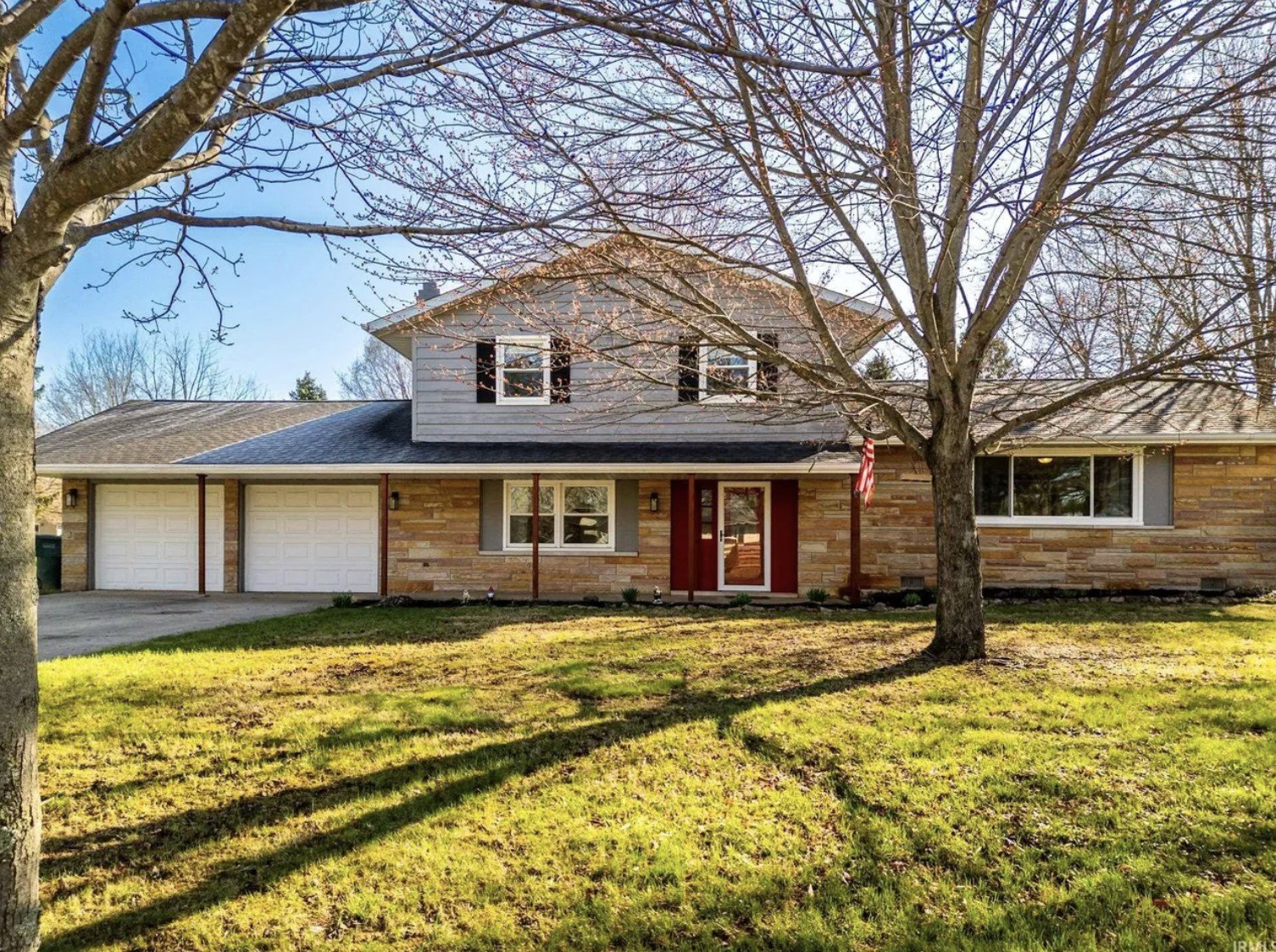
Indiana stood out in February for having the nation’s worst foreclosure rate of 1 in every 1,597 housing units, followed by South Carolina (one in every 2,217 units), and Florida (one in every 2,277 units), which held onto the No. 3 spot for the second month in a row.
For context, Indiana’s foreclosure rate is now twice as high as the national average.
Florida is an example of a state that has fallen victim to its own success. Cara Ameer, real estate broker at Coldwell Banker Vanguard Realty in Florida, tells Realtor.com® that during the pandemic real estate boom, which was marked by ultralow interest rates and high home prices, many homebuyers poured into the Sunshine States and snapped up properties.
“Anyone who bought during that time paid higher prices versus what those properties can be sold for now, and if they have a mortgage, not much has been able to be paid down on the loan balance within the last three years,” says Ameer.
Additionally, many condo communities have monthly fees that have skyrocketed in recent years, negatively impacting the properties’ values and affordability and making them increasingly difficult to sell.
To make matters worse, surging insurance costs and Florida’s structural integrity inspections in many older condo buildings have impacted the ability of existing owners to continue to afford their units.
“Cost of living and insurance has gotten significantly more expensive overall on top of the stress of housing values in some areas which is making it harder for people to continue to afford these homes,” says Ameer.
Delaware, which led the surge in distressed housing in January, saw its foreclosure rate edge down to 1 in every 2,443 units, the fourth highest in February, with Illinois rounding out the top five (1 in every 2,590 units).
Five additional states showed higher-than-normal foreclosure activity, including Ohio (1 in every 2,787 housing units); New Jersey (1 in every 2,798); Nevada (1 in every 2,915); Utah (1 in every 2,984); and Texas (1 in every 3,156).
On the other side of the spectrum, West Virginia had the lowest foreclosure rate in the nation, at just 1 in every 43,066 housing units, with Vermont in second (1 in every 33,904) and South Dakota clinching the third spot (1 in every 23,830).
Foreclosure starts and completions
Lenders initiated the foreclosure process on 25,928 properties nationwide in February, down 2% from January but up 14% from a year ago.
The process begins when a homeowner defaults on their mortgage, usually after 120 days of missed payments, prompting the lender to file a notice of default.
Those states that had the greatest number of starts last month included Texas (3,390), Florida (3,250), California (2,440), Georgia (1,331), and Indiana (1,197).
Meanwhile, February saw lenders repossess 4,077 homes through completed foreclosures (REOs), a decrease of 14% from January and a surge of 35% year over year.
Texas led with 453 repossessions, followed by Michigan (432), Florida (364), California (335), and Pennsylvania (234).
Opportunities for buyers, with a caveat
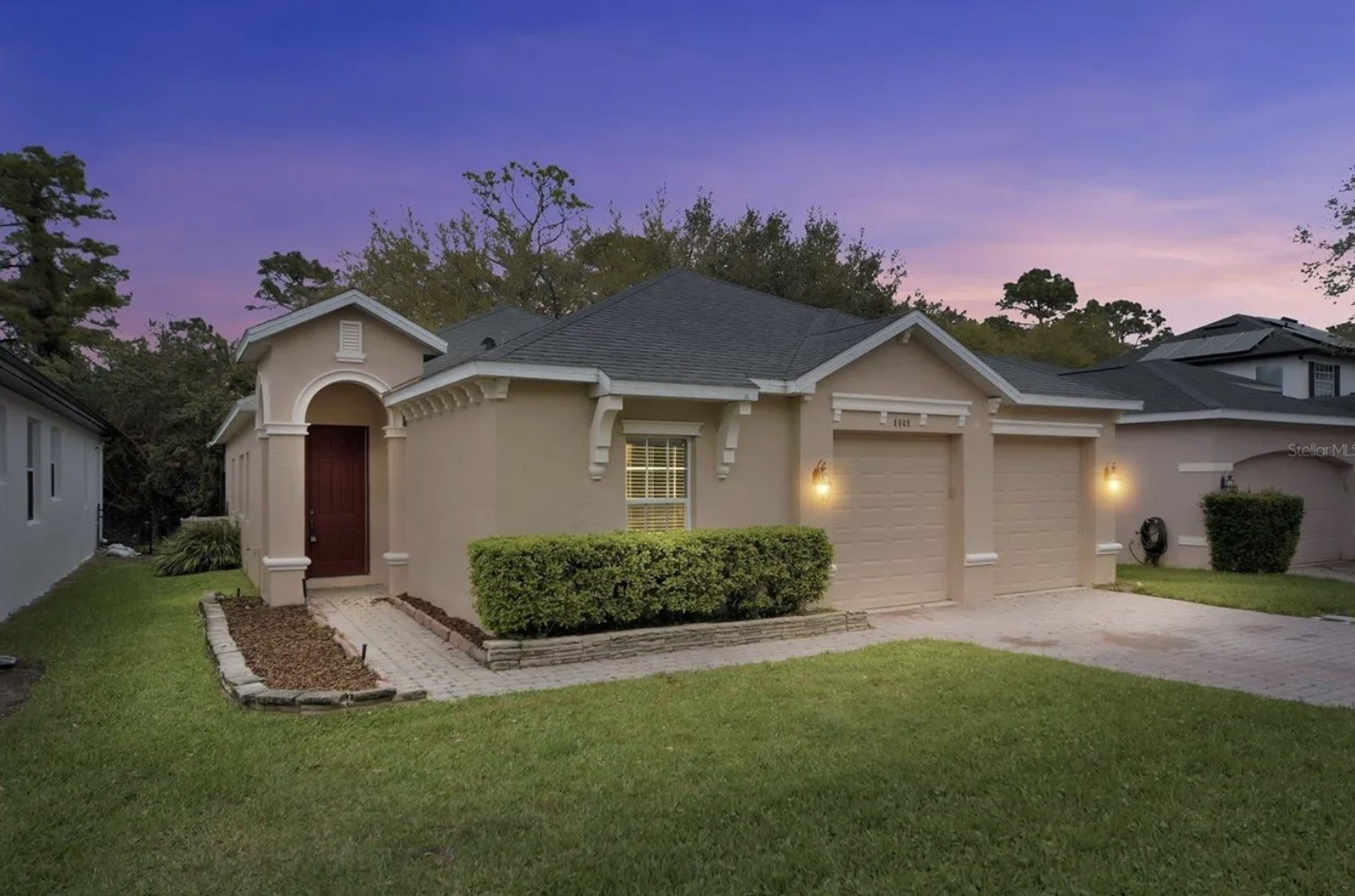
Ameer says an influx of foreclosed inventory could potentially provide some opportunities for first-time buyers in search of discounted starter homes, but she warns that it is important to consider the condition of properties sold through foreclosure.
Most foreclosures are sold as is. That means the lender now in possession of the foreclosed home is not going to perform any repairs on it.
“They may have some deferred maintenance, or need major items being repaired and replaced, or just some basic updates like painting, depending on how old the home is,” says Ameer. “First-time homebuyers don’t have a lot of extra cash to replace roofs, air conditioners, or make repairs.”
On top of that, the buyer may also be responsible for any lien on the property for back taxes.
In markets where foreclosures and new builds compete, Ameer notes that new construction often wins on math because builders can offer aggressive mortgage rate buydowns and cover closing costs, making a brand-new home with a warranty more affordable than a discounted foreclosure in need of TLC.