The U.S. Senate has passed the 21st Century Road to Housing Act, a sweeping housing bill aimed at boosting supply and curbing institutional investor purchases—marking the latest federal effort to address the nation’s housing affordability crisis.
The legislation now moves to the House of Representatives, where lawmakers will decide whether to advance the proposal, which includes measures intended to increase housing construction and place limits on large investors buying homes.
The bill comes as the housing market shows tentative signs of improvement this spring, with slightly lower mortgage rates and improving inventory beginning to draw buyers back into the market.
Fresh economic data released this week shows that inflation continues to cool—though not without potential challenges ahead.
The February consumer price index found that headline inflation held steady at 2.4%, one of the slowest paces of price growth in several years. However, economists warn that emerging pressures—including changes to tariffs and geopolitical tensions—could stall further progress in lowering prices.
Because of that uncertainty, the Federal Reserve is widely expected to keep interest rates unchanged at its March meeting, continuing a wait-and-see approach as policymakers monitor inflation risks.
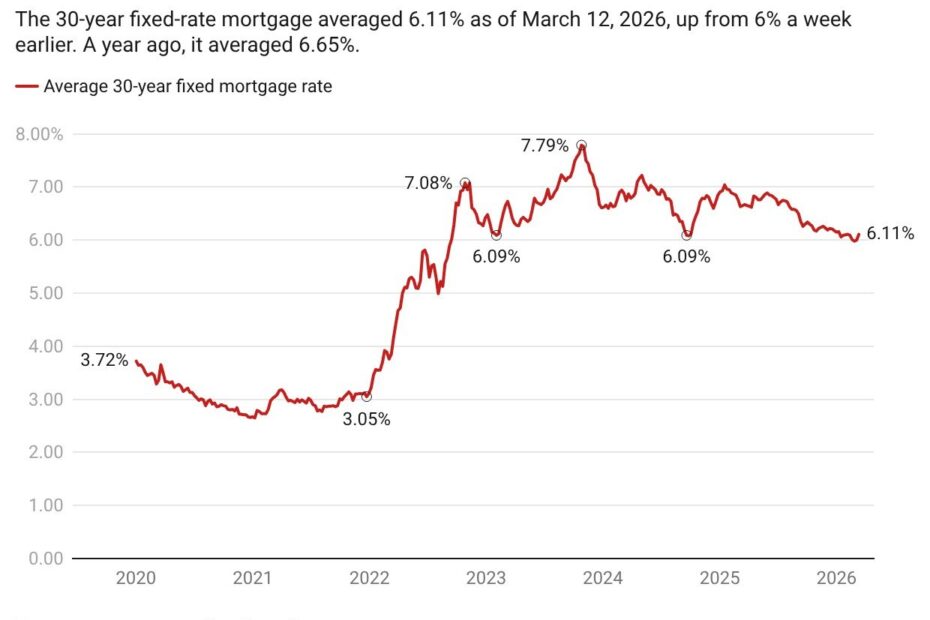
Mortgage rates ticked higher this week amid renewed inflation concerns, but they remain significantly lower than they were a year ago.
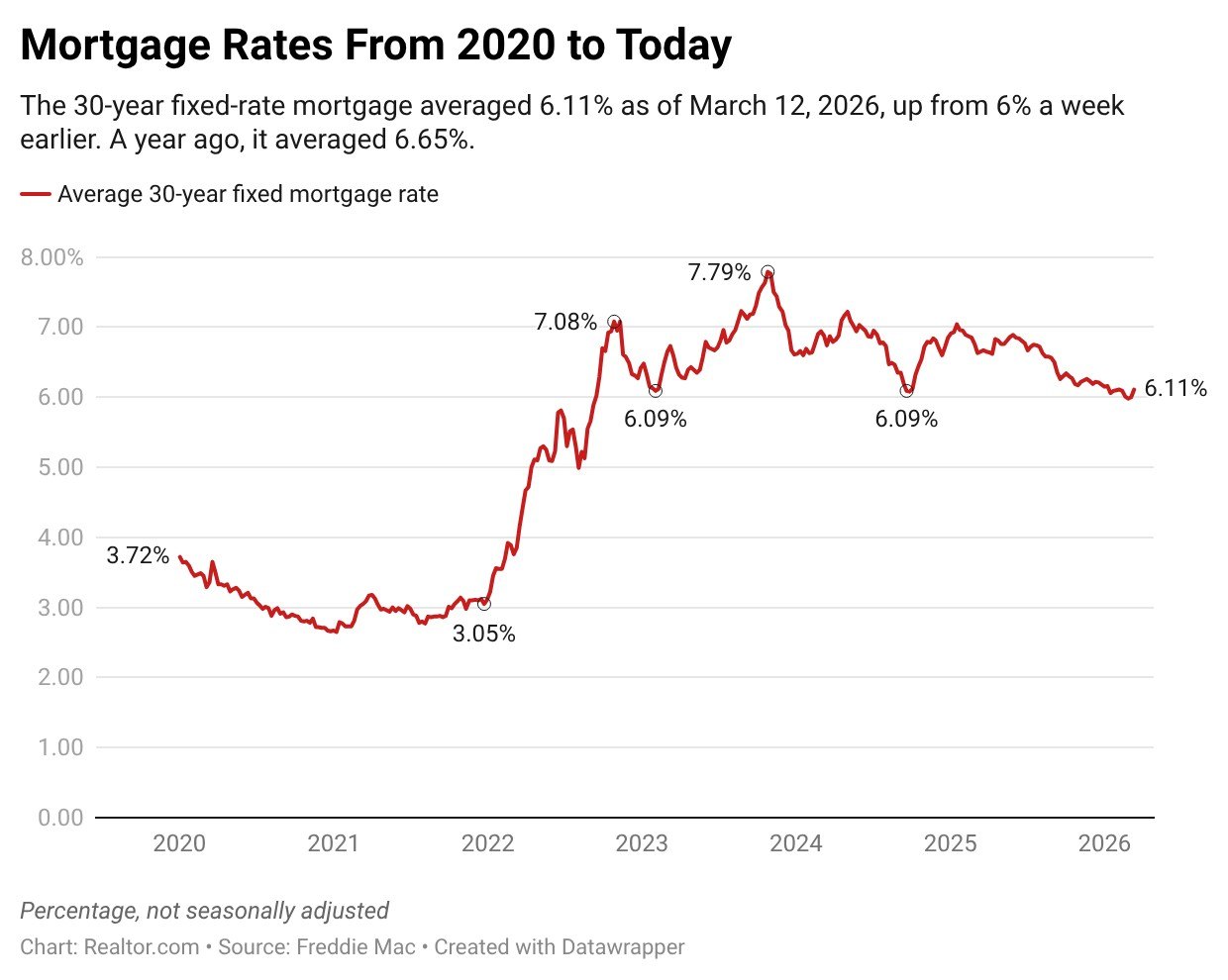
Even with the recent uptick, rates are more than half a percentage point below where they stood at this time last year, giving buyers slightly improved purchasing power compared with the 2025 spring market.
That improvement appears to be encouraging some buyers to return.
Existing-home sales rose 1.7% in February, suggesting buyers are responding to improved affordability conditions.
The modest rebound could extend into March as spring buying activity ramps up. However, economists caution that if mortgage rates rise again, some of the recent sales activity may represent buyers pulling forward purchases they otherwise would have made later in the year.
Weekly housing data from Realtor.com® shows that buyers are also benefiting from a gradually improving supply of homes for sale.
The number of active listings continues to rise, giving buyers more options than they had earlier in the housing downturn. However, new seller participation has been uneven, and median listing prices remain slightly lower than they were at this time last year.
At the higher end of the market, new data from the Realtor.com February 2026 Luxury Housing Trends report suggests luxury home prices may be stabilizing.
The national entry point for the luxury market—defined as the top 10% of listings—stood at $1.2 million in February, slightly lower than a year ago but rising from January levels as the market begins to establish what economists call a seasonal floor.
The report also found that some of the lowest luxury price thresholds are concentrated in Southern markets, in contrast to coastal metros that dominate the highest luxury entry-price markets.
New-construction data also highlights the uneven nature of the housing recovery.
In January, overall housing starts increased largely because of growth in multifamily construction, even as single-family housing starts declined, underscoring the persistent supply challenges facing buyers seeking detached homes.
Regional housing dynamics also remain sharply divided. According to the Realtor.com February 2026 Hottest Housing Markets Report, Manchester-Nashua, NH, reclaimed the top spot among the country’s most competitive housing markets.
The list continues to be dominated by undersupplied markets in the Northeast and Midwest, where tight inventory continues to fuel strong buyer demand.
The housing bill passed by the Senate includes provisions aimed at limiting institutional investors’ role in the housing market—a topic that has drawn increasing political attention.
However, Realtor.com research shows that while the number of institutional investors has grown over the past decade, their overall footprint in the housing market remains small and is shrinking.
Investor activity is also highly concentrated geographically, with more than half of nationwide purchases occurring in just the 10 largest investor-heavy metros.
The policy debate also comes as new research highlights the long-term financial impact of homeownership.
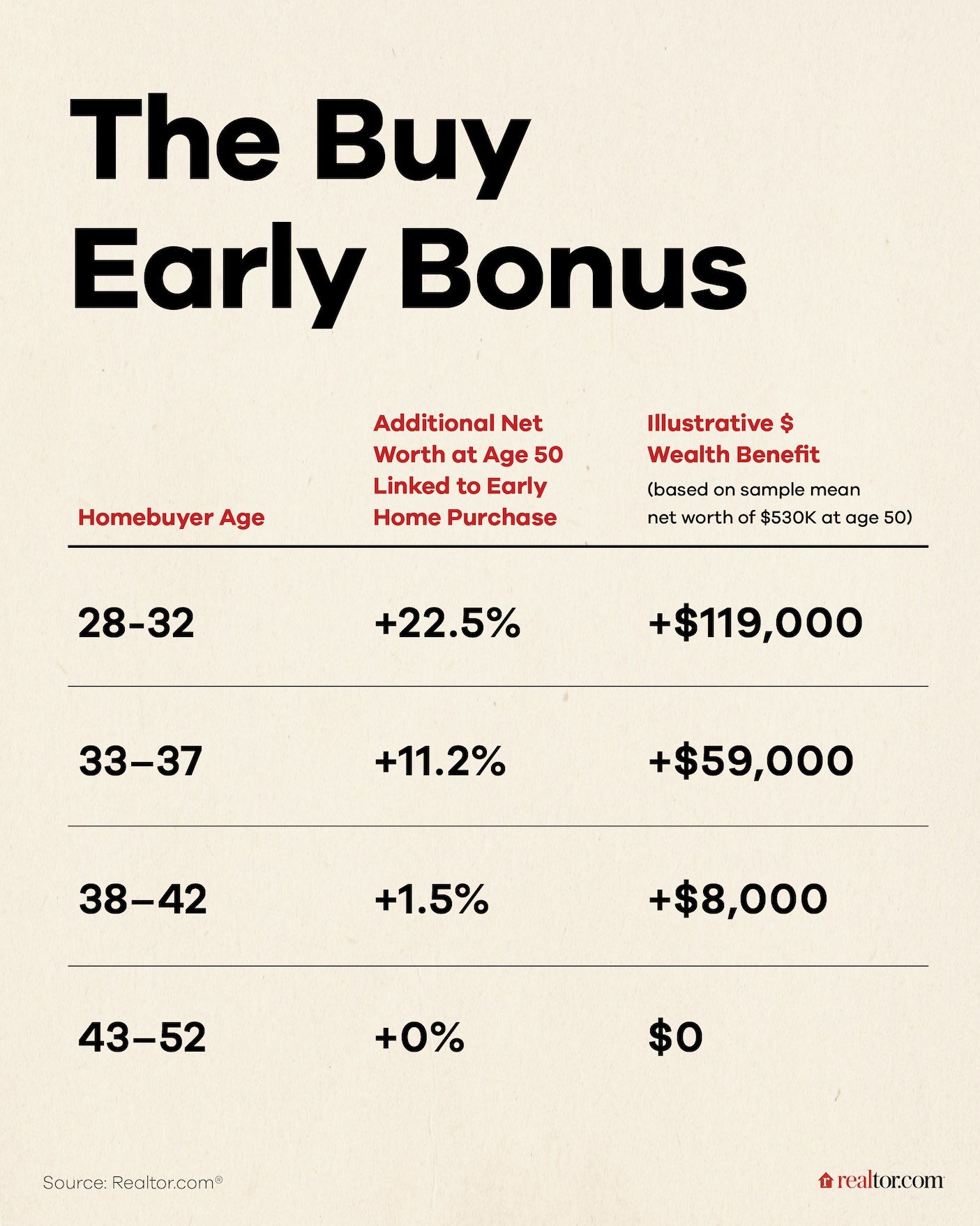
The Realtor.com 2026 Generational Wealth and Housing Report found that households that purchase their first home earlier tend to accumulate significantly higher net worth by middle age than those who delay buying.
The report also shows that children raised in homeowner households are more likely to become homeowners themselves by age 35, underscoring housing’s role in building generational wealth.
Housing affordability and supply will also be a key topic of discussion this week in Austin, TX, during South by Southwest (SXSW) on Saturday, March 14, where Realtor.com is hosting a housing-focused activation and thought-leadership events examining the future of the housing market.