These days, smart home technology goes beyond convenience.
The right tech—believe it or not—can actually prevent serious injuries and in some cases, death.
“A few years ago, these technologies were seen as luxury items, but now they’re more accessible in terms of price, and you can even install most of them yourself,” explains Jason Reese, partner and personal injury attorney at Wagner Reese in Indianapolis, a firm that deals with many cases related to home accidents.
So, which devices are right for you and your home? It all depends on your end goals, whether that be reducing everyday hazards, future-proofing, or the ability to act quickly in emergencies
Smart devices that are worth the investment
Not all smart home devices are created equal. In fact, each one has its own unique purpose and use case.
Here’s an overview of several of the most noteworthy products that are worth exploring for your home and family.
Smoke/CO detectors
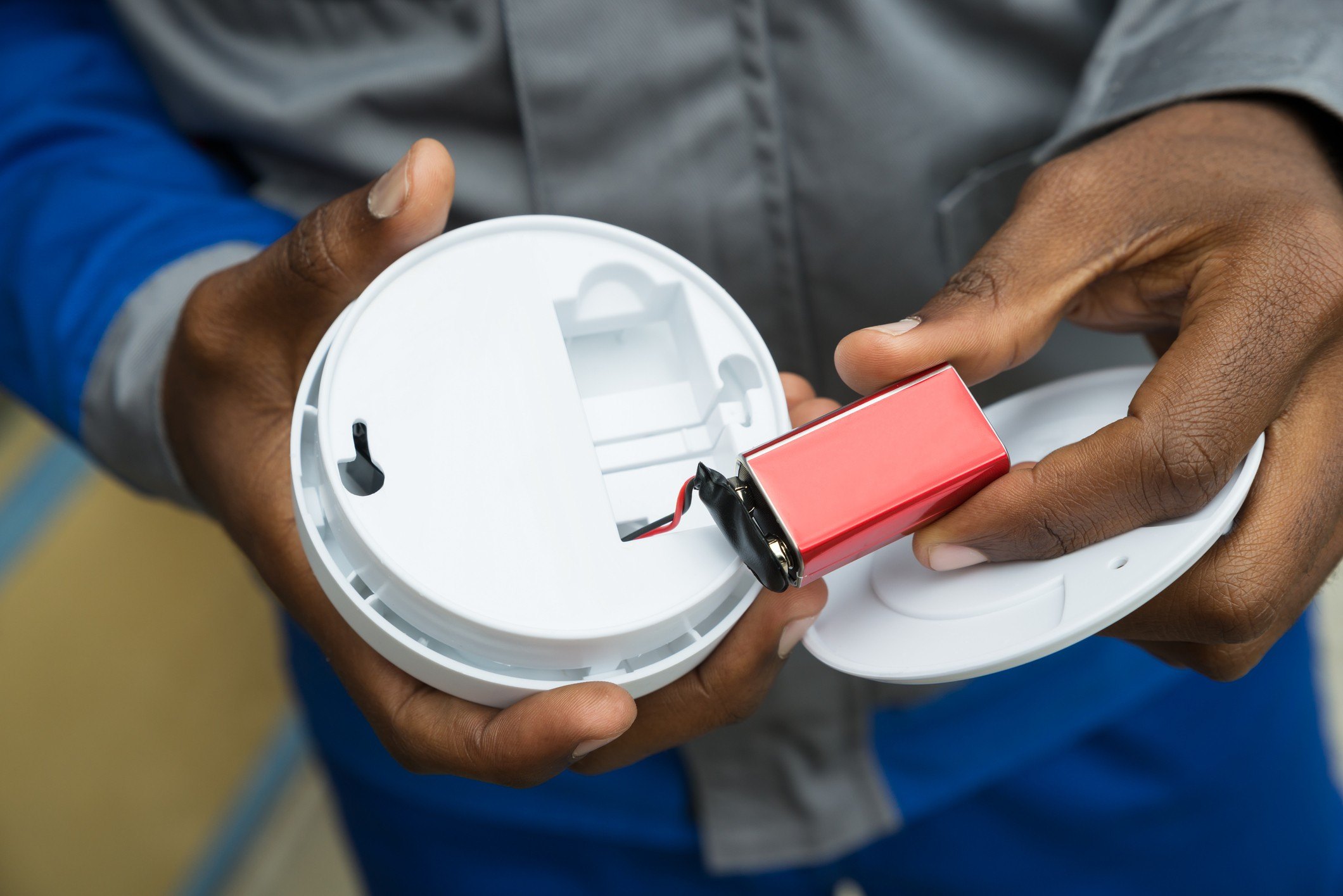
Newer smoke and carbon monoxide detectors can send messages to your phone and instantly alert you when they detect smoke or dangerous levels of carbon monoxide. They may also notify your emergency contacts and emergency services.
Imagine you are at work, and forgot to turn off the stove at home. A smoke detector can inform you of the issue and automatically turn off the gas supply, potentially preventing a fire disaster.
Motion sensors
Motion sensors track movement patterns throughout the home. They don’t just detect presence—they learn routines.
“If someone who typically wakes up at 7 a.m. hasn’t moved by 10 a.m., that deviation triggers an alert. If nighttime bathroom trips suddenly triple, caregivers can be notified of a potential health change before it becomes critical,” explains Chia-Lin Simmons, CEO of LogicMark, a personal safety, health, and caregiver tech developer in San Francisco.
Water sensors
You might not think you need a water sensor, but chances are you do as water damage is one of the leading causes of costly repairs in homes.
These sensors catch leaks early—before there’s an inch of water on your floor—and can take over the automatic shut-off valves that save you from expensive damage.
All you have to do is place these small, pucklike devices near common leak sources, such as sump pumps, water heaters, or dishwashers.
“Unseen leaks also pose mold dangers, which have their own expensive repairs; and with water sensors, you can not only get an alert but also get it shut off,” explains Reese.
Connected security systems
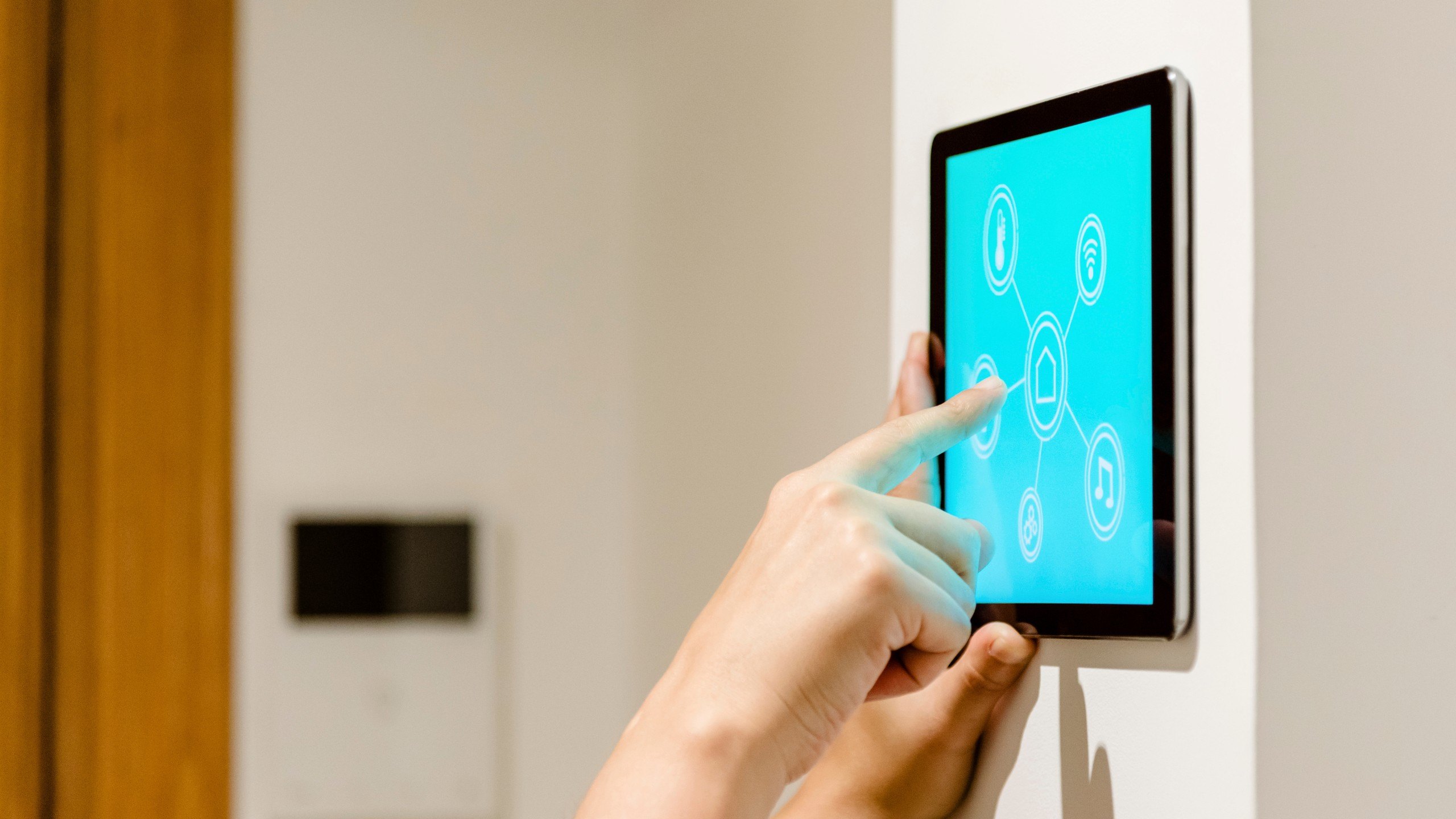
Today’s smart security systems are more than alarms as they have cameras, sensors on doors and windows, and motion detection, along with professional monitoring.
“Most criminals who intend to break in look for security systems first, and a house without one is an easy target, while those that have these systems are usually skipped,” says Reese.
You’ll also get access to recordings that capture any incident, which can be to your advantage if you need to file a claim.
Simmons explains that connected security systems are especially beneficial for seniors.
“They include door sensors that alert if someone wanders outside at 3 a.m., smart locks that allow trusted caregivers controlled access, and cameras that respect privacy while ensuring safety,” adds Simmons.
Fall detection systems
Falls are the leading cause of injury-related death among adults 65 and older, and thankfully, fall detection is where smart home tech is making some of its most meaningful advances.
Fall detection systems use accelerometers and impact sensors to distinguish between normal movement and a sudden fall. Advanced systems can detect both hard falls and slow descents to the floor.
“A fall detection system doesn’t wait for someone to press a button. It recognizes the impact, assesses whether the person has gotten up, and automatically initiates emergency contact if they remain on the floor,” says Simmons.
Minutes matter—and in many cases, this technology has prevented fatal outcomes by ensuring help arrives before complications set in.
AI monitoring
AI monitoring analyzes behavioral data over time to identify subtle changes that humans might miss.
“Slower walking speeds, increased time in bed, skipped meals, or missed medications create patterns. The system flags these deviations early, often weeks before a medical crisis occurs,” explains Simmons.
Wearable devices
Wearable devices, such as the Apple Watch, can track heart rates, detect arrhythmia, and even detect falls.
They usually use accelerometers and gyroscopes to spot the impact, the sudden stop, the lack of movement afterward, and other signals of a fall.
The key with these technologies is that they must be work to work—either as a smartwatch, wristlet, bracelet, or pendant.
Daily check-in systems
Setting reminders for daily routines, such as the “morning routine,” might not seem like a big deal, but such devices can become lifesavers.
If the device—such as Amazon Alexa Routines—doesn’t detect the expected activity, the device can send reminders to the caregiver.
These check-in systems can be real game changers for older adults, those with memory issues, or anyone who simply needs some extra help with their daily activities.
How to choose the right integrated systems
The true magic of these life-saving devices happens when they’re connected.
“It’s not about just collecting a bunch of devices. Your goal should be to create a cohesive environment that understands patterns, identifies changes, and accelerates help when minutes matter most,” says Simmons.
To home in on the right technologies, Simmons recommends you assess your family’s health conditions, mobility, cognitive changes, and lifestyle.
From there, choose devices that not only align with your needs but can also share information across other platforms rather than operate in silos.
Reese points out that integrated systems are only good if you maintain them.
“That means staying on top of batteries, making sure that the software is updated, and testing sensors to confirm they work,” explains Reese.
Additionally, they should be intuitive. The best systems integrate seamlessly into your household routines and offer a powerful set of features but are ultimately simple to use.