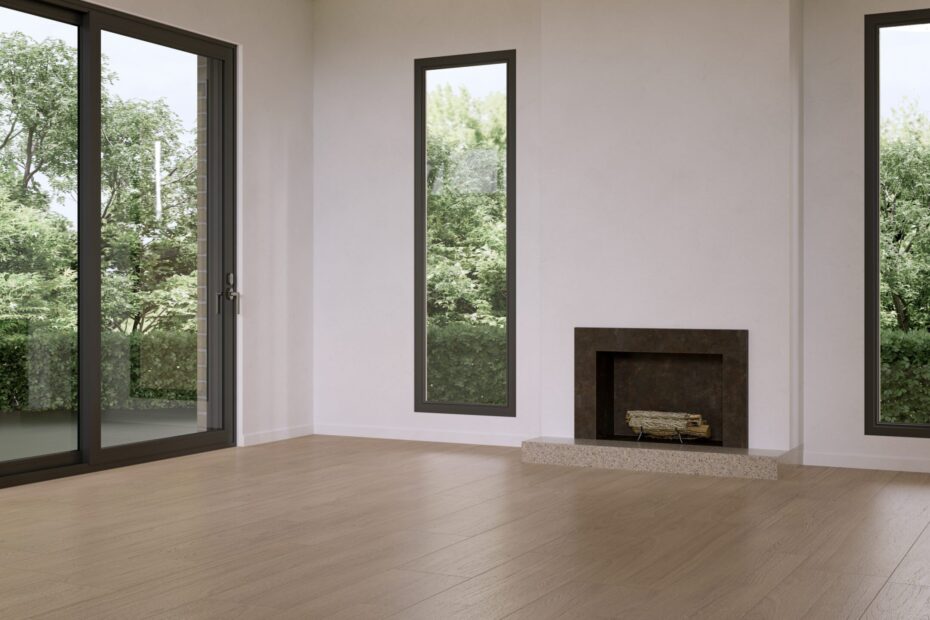
In today’s AI era, sellers may wonder whether traditional home staging is still worth it.
While the general consensus is that AI-generated staging is more affordable, experts agree it simply doesn’t deliver the same level of appeal and effectiveness as traditional staging.
“It might get you clicks, but buyers are getting savvier at identifying what’s real and what’s not and it just ends up raising more questions than it answers,” says Heather Amalaha, professional home stager and principal at Showhomes Premier Design Studio in Austin, TX.
While there are situations in which AI staging is suitable, in more times than not, traditional staging or a hybrid approach that combines the two is your best bet.
Why traditional home staging is usually worthwhile
Although technology is evolving faster than ever and AI-generated content is out there, traditional home staging carries with it many benefits.
“Photos of staged homes are more authentic. They allow buyers to understand the actual scale of the rooms and feel the flow of the home,” says Aaron Smith, real estate agent and luxury specialist at The Keyes Co. in Miami.
Smith explains that oftentimes buyers who’ve seen AI-generated images are disappointed when they see the home in person—and Amalaha agrees.
“It only takes 8 seconds for buyers to form a first impression when they tour a home. With AI-based or virtual staging, it’s 8 seconds of disappointment because what they saw online doesn’t match what they’re seeing in person. And that first impression is hard to change,” explains Amalaha.
Despite this, there are some situations in which AI staging can get the job done and save sellers some serious cash.
According to Kurt Harfmann, real estate agent at Keller Williams in Boca Raton, FL, it might make sense for vacant homes, new builds, or properties under $300,000.
“AI staging may be OK for more affordable homes. But at the luxury level, where buyers are making highly emotional and lifestyle-driven decisions, physical staging continues to provide a competitive advantage,” says Harfmann.
The power of a hybrid approach
Some sellers these days are combining AI-generated staging with traditional staging.
They invest in physical staging in the most important areas of their home and add digital enhancements where appropriate.
“Through this approach, sellers can maximize visual and emotional appeal while keeping their finances in check,” explains Lourdes Alatriste, senior director of luxury sales at Douglas Elliman Real Estate in Coral Gables, FL.
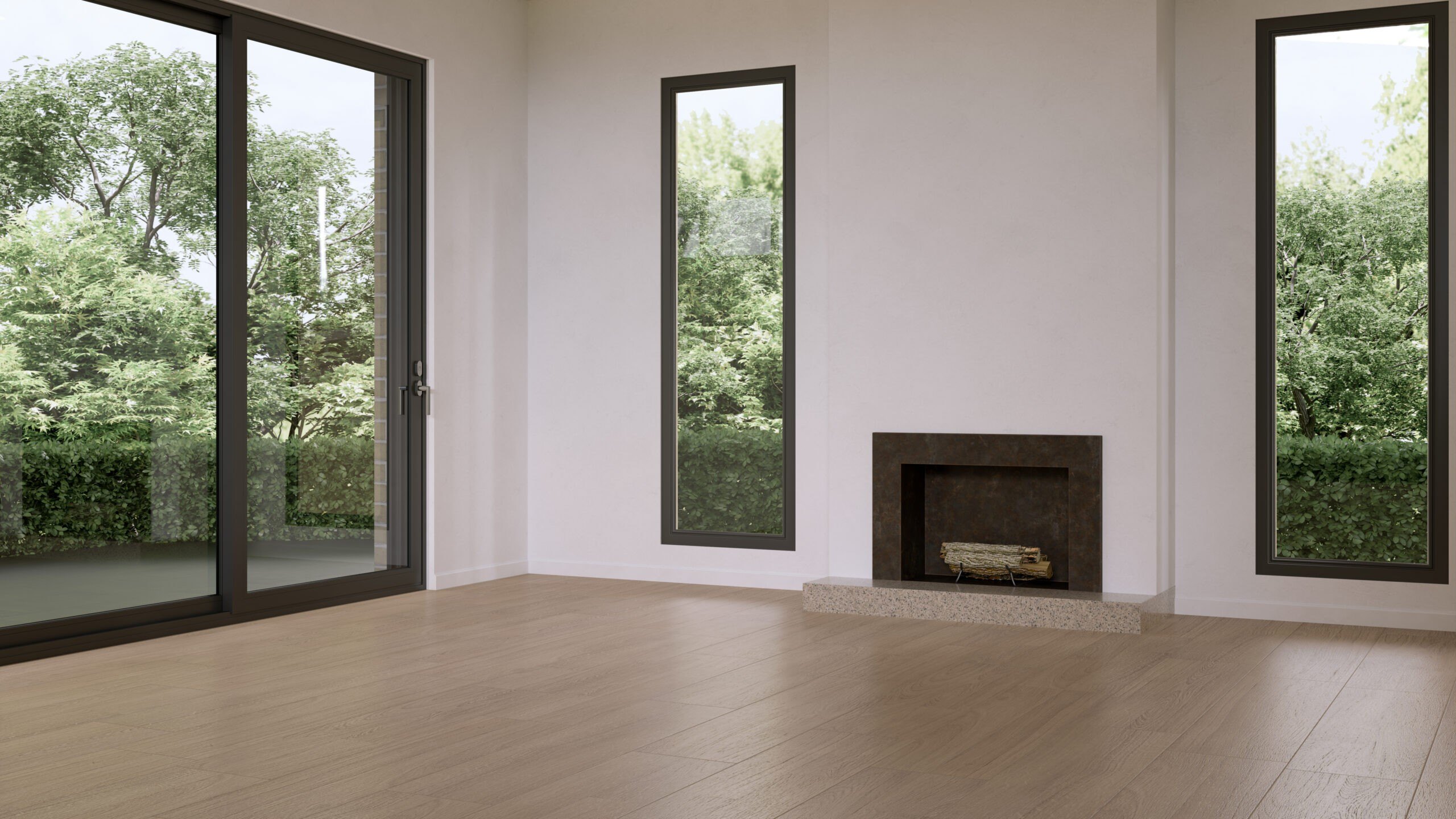
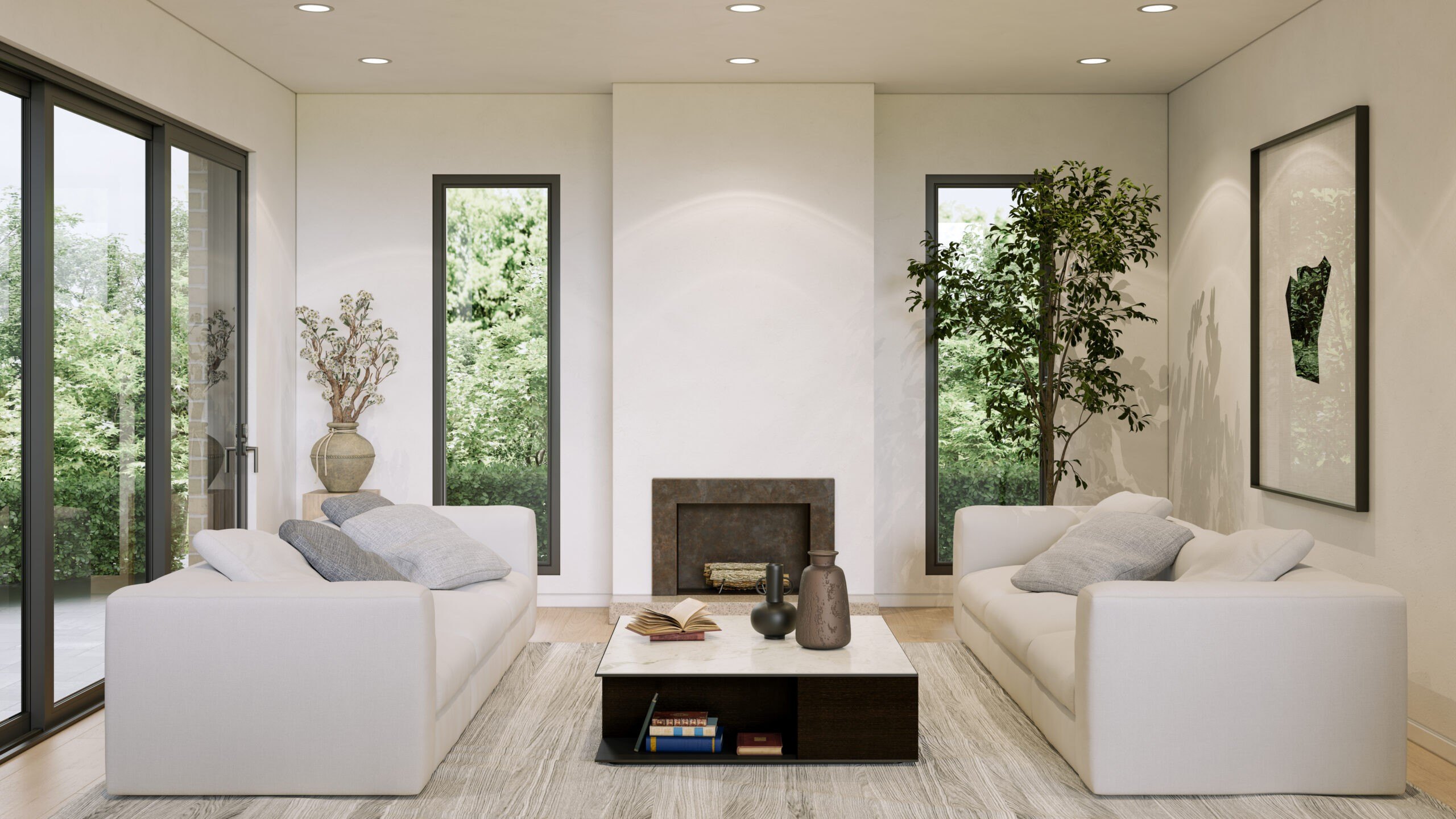
If you do go with the hybrid approach, make sure your virtual and physical staging is aligned. The digital imagery you use should reflect the actual furnishings that buyers will see in person.
Ultimately, the goal is to prevent unwanted in-person surprises and keep things as real as possible.
The ROI of professional staging
Virtual staging is inexpensive—a fraction of the cost of traditional home staging—$30 to $150 per photo compared with $300 to $700 for each professionally staged room.
That’s because it doesn’t deliver the same impressive ROI.
“Traditional home staging has been shown to increase sale price and reduce time on market consistently across different markets and different price points,” Amalaha says.
Michelle Minch, professional home stager and chief design officer at Moving Mountains Design in Pasadena, CA, explains that the real estate agents who hire her don’t just want to get potential buyers through the door. They make it their mission to sell listings for the highest possible price.
“These agents know that’s not going to happen unless buyers walk into a house and immediately fall in love. Stagers set the scene for that love affair to play out. Eighty percent of the homes we’ve staged sell for $100,000 to $800,000 over the list price. Spending $10,000 on staging an entire large home and netting $100,000 or more, for example, is a pretty good investment,” explains Minch.