President Donald Trump touched on housing affordability only briefly in his State of the Union address, but his comments are drawing skepticism.
In his speech on Tuesday night, Trump reiterated his view that lower mortgage rates can solve the housing crisis by making homes simultaneously more affordable for buyers and more valuable for sellers.
“Low interest rates will solve the Biden-created housing problem while at the same time protecting the values of those people who already own a house that really feel rich for the first time in their lives,” Trump said. “We want to protect those values; we want to keep those values up. We are going to do both. And we are going to keep it that way.”
Kyle Pomerleau, a senior fellow studying tax policy at the American Enterprise Institute, a conservative-leaning think tank, responded in a tongue-in-cheek post on X, writing: “He must be a magician!”
“With lower mortgage rates, Trump will somehow: 1. Reduce the price of housing and 2. Protect the housing wealth of current homeowners,” wrote Pomerleau.
In a phone interview with Realtor.com® on Wednesday, Pomerleau said that “Trump’s policies seem to, on the whole, favor the current homeowners, rather than the new buyers.
“You can’t simultaneously protect the wealth of current homeowners and, at the same time, reduce the cost of acquiring housing for new buyers. Something has to give,” he said.
Trump, who has previously said that he wants to expand homeownership opportunities to millions of Americans who are priced out of the market, may now be carefully weighing political calculus ahead of the key November midterms.
“Clearly, there are a lot of people who would be prospective new homebuyers, but there are also a whole lot of current homeowners,” says Pomerleau. “I think if you look demographically, and you look at voting propensity, the latter is going to be a lot more important to your polling and your election prospects.”
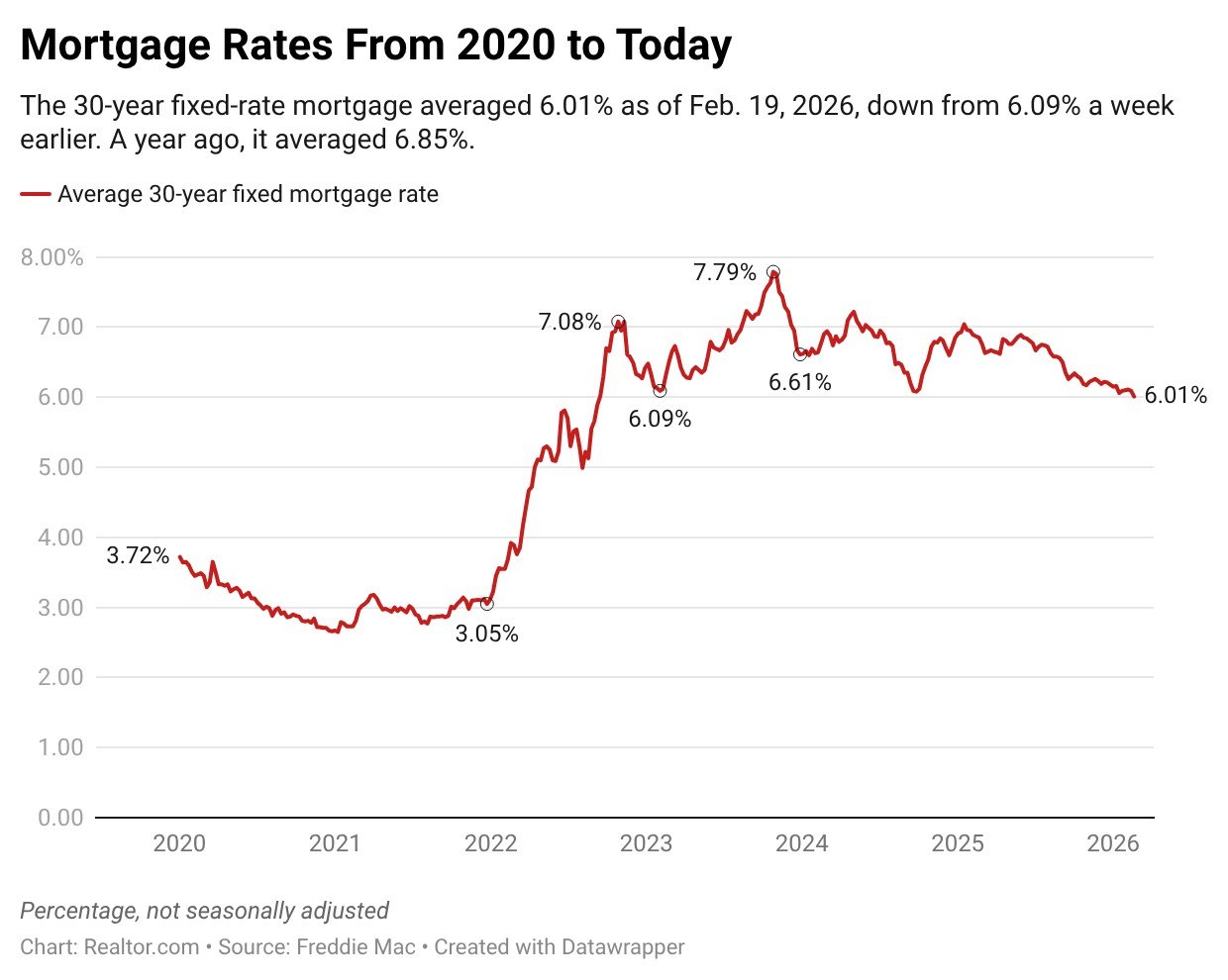
Trump has focused heavily on mortgage rates as the solution to the housing crisis, but a recent Realtor.com analysis found that 30-year rates would have to fall to an all-time low of 2.65% to restore the housing market to the relative affordability levels of 2019.
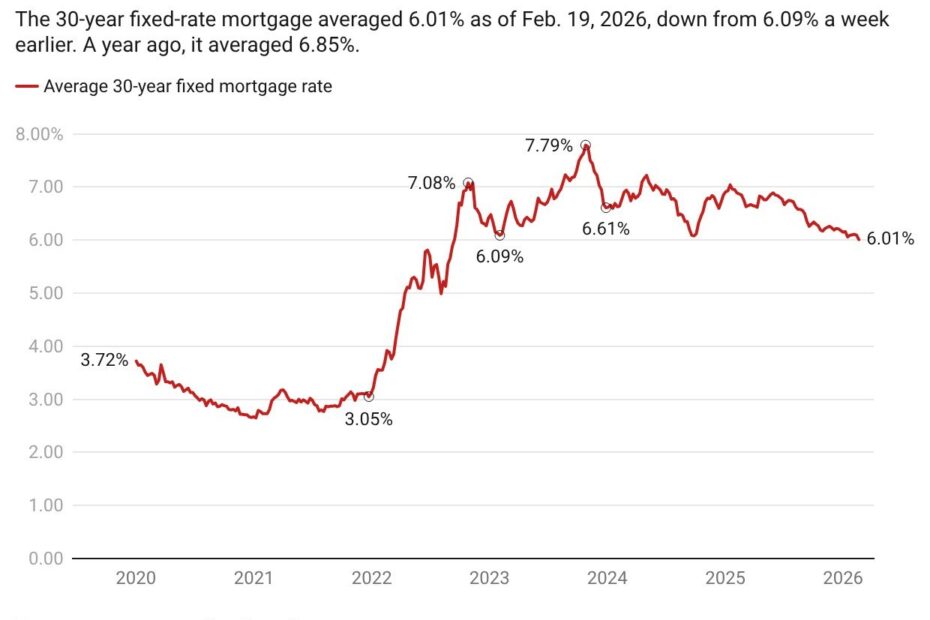
Mortgage rates averaged 6.01% last week. That’s down roughly a full percentage point from when Trump began his second term, but few industry experts expect to see rates fall below 3% unless an economic crisis occurs.
And if mortgage rates did somehow fall to ultralow levels below 3%, it might simply drive home prices higher, negating any affordability gains, as was seen during the COVID-19 pandemic buying frenzy.
Realtor.com senior economist Jake Krimmel says while it may be “magical thinking” to believe lower rates can solve the housing affordability crisis on their own, there is a path to slowing home-price growth while still protecting owners’ equity through new construction and economic growth.
“Economists love pointing out there’s no such thing as a free lunch, but to the extent that there is one for housing, it’s all about increasing supply,” says Krimmel. “In the long run, building more homes supports economic growth, rather than destroying economic value. New construction allows cities to absorb demand, raises productivity and wages, and, for newcomers, helps stabilize prices that would otherwise rise even faster.”
In other words, while falling mortgage rates certainly benefit homebuyers, they must be matched by gains in overall inventory to deliver true affordability relief, with enough new-home construction activity to absorb higher demand.
For his part, Trump has delivered somewhat mixed messages on boosting housing supply through new-home construction.
Last fall, he called on major homebuilders to dramatically boost new construction. But more recently, Trump fretted that creating “a lot of housing all of a sudden” would drive existing-home prices down.
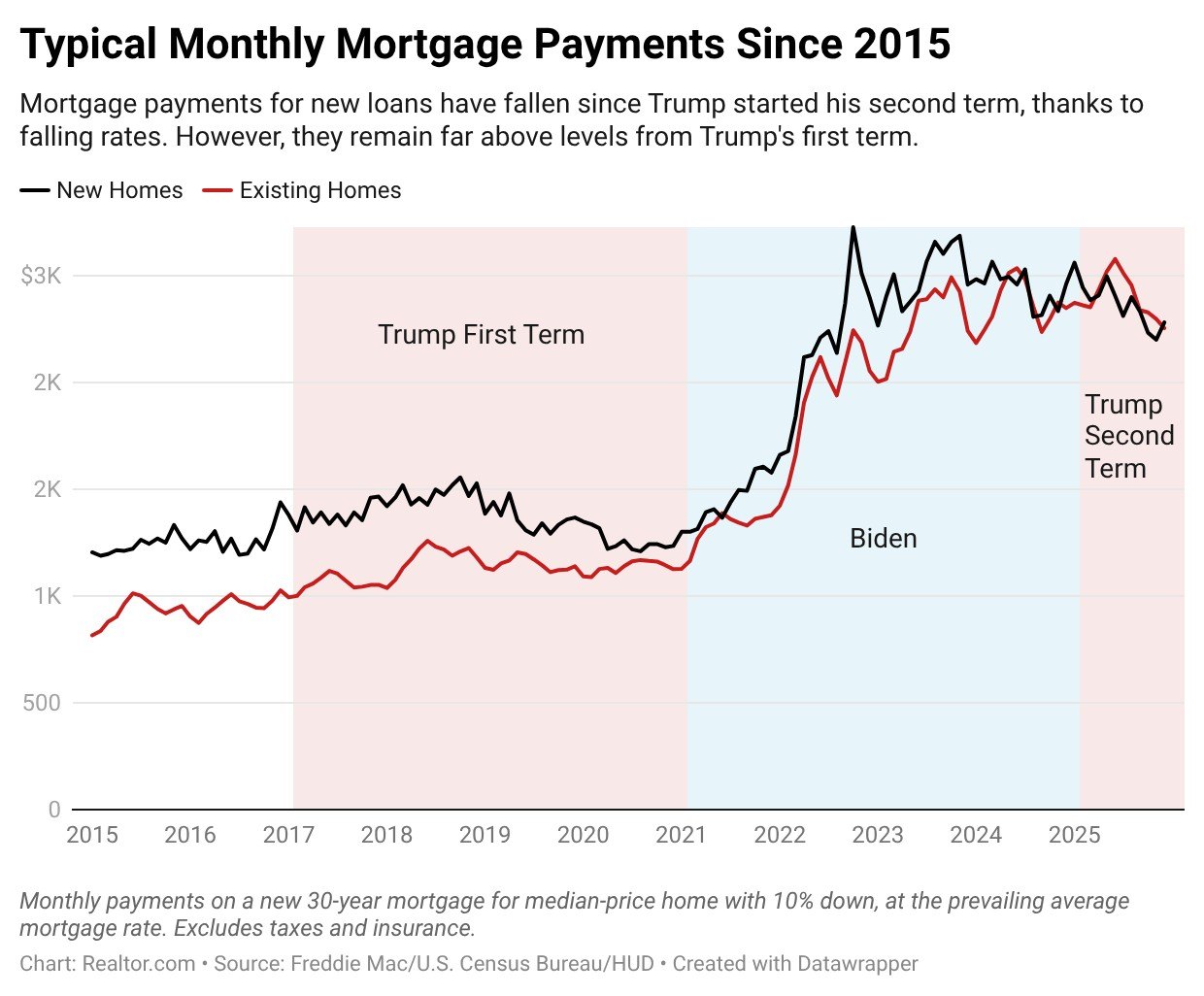
Notably, new-home prices have been trending lower for three years, with the typical new build now about 15% cheaper than in fall 2022.
Homebuilders have slashed prices in response to a weak market, with affordability challenges one of the key factors weighing on demand. But so far, individual home sellers have been much more reluctant to cut their asking prices, and existing-home prices continue to rise.
As a result, the typical new home was cheaper than the typical existing home for much of 2025, reversing longstanding trends. But it’s unclear how long that unusual trend can persist.
Last week, National Association of Home Builders Chief Economist Robert Dietz predicted that prices for existing homes would fall in many markets in 2026, as homeowners respond to price competition from builders.
“We expect in most markets this year, resale prices to go down in order to improve affordability conditions, because existing homeowners now have to do the price discovery that builders have been doing since 2022, and they haven’t done it yet,” Dietz said at an NAHB convention in Orlando, FL.