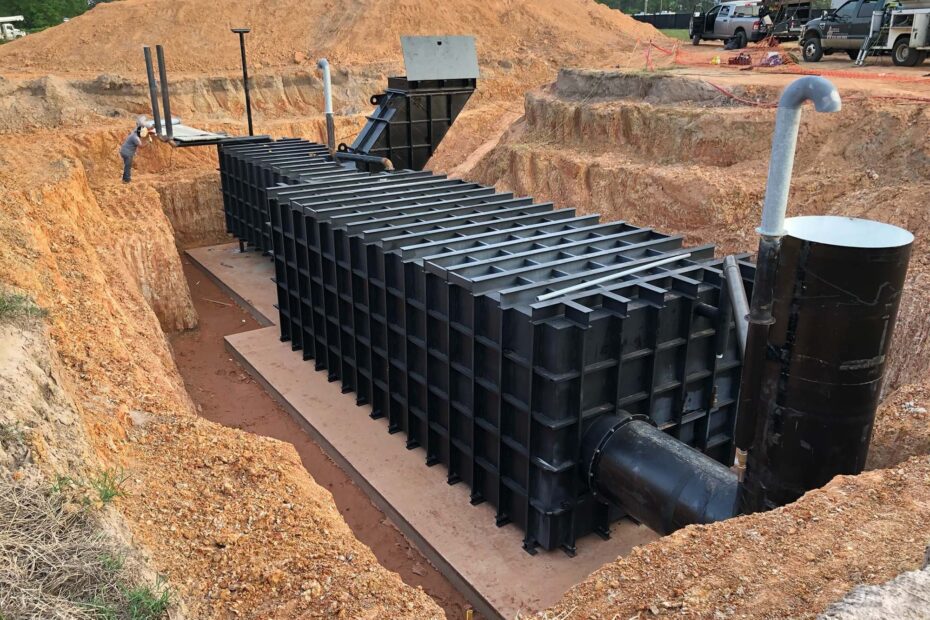
Tim M., who asked that his last name not be used, did his homework before investing $500,000 into a 600-square-foot bunker buried 10 feet deep on his property in Virginia. His biggest hurdle was researching the companies building these personal shelters, of which there are only a handful.
Ultimately, he chose Atlas Survival Shelters, owned by Ron Hubbard. His company is responsible for the bunkers of the elite and ultra wealthy. Kim Kardashian famously interviewed Hubbard on the family reality show about building one at her house, and Hubbard also designed a 2,000-square-foot shelter for Mark Zuckerberg under his $270 million Hawaiian estate in 2023 that the Meta owner calls a “storm room.”
But Tim had something very specific in mind for his investment.
Built in case of an emergency
Tim sought something more modest than Hubbard’s celebrity versions, instead wanting a design that would comfortably fit himself, his wife, their daughter, her husband, and their children in the event of a catastrophe.
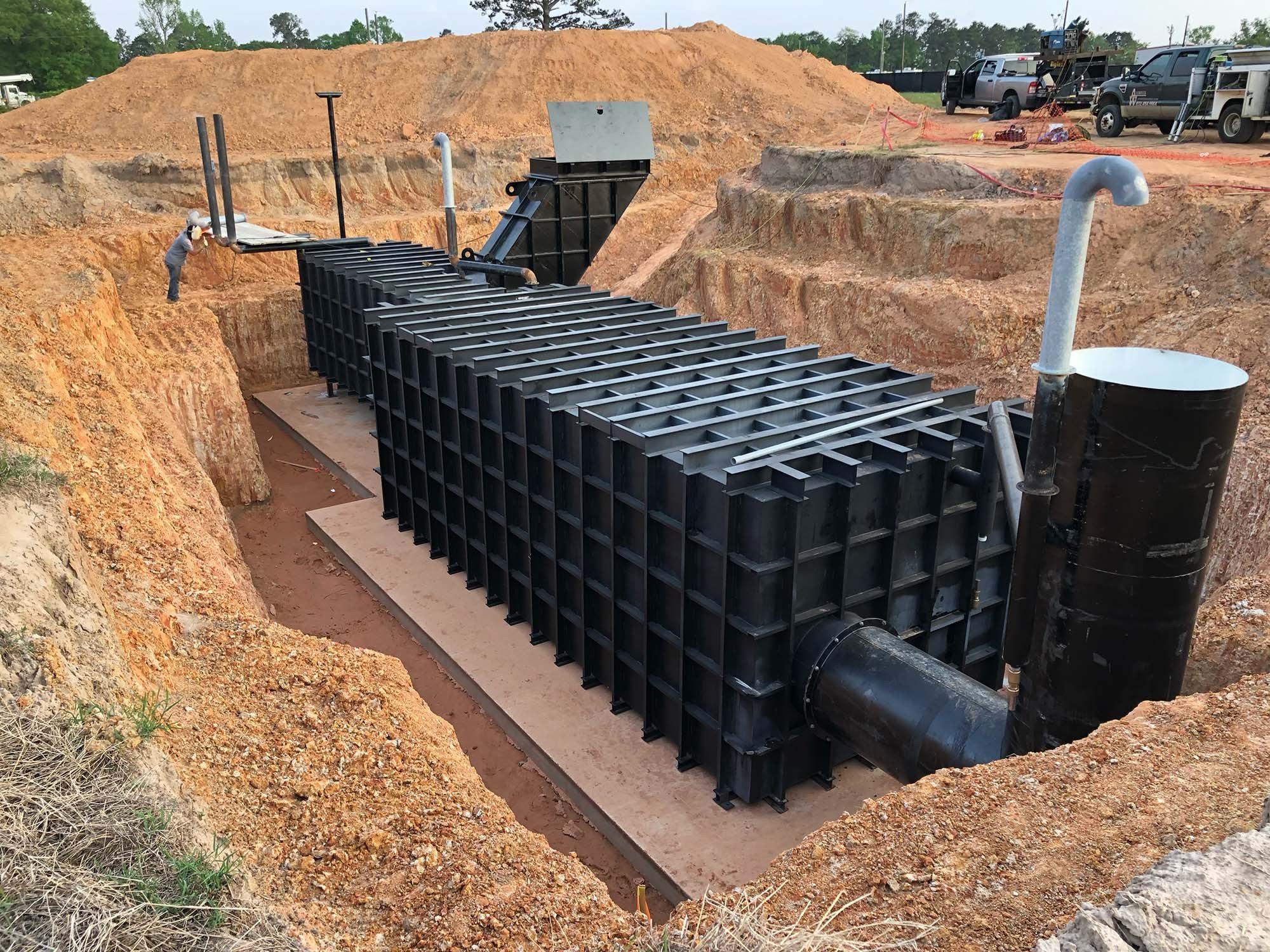
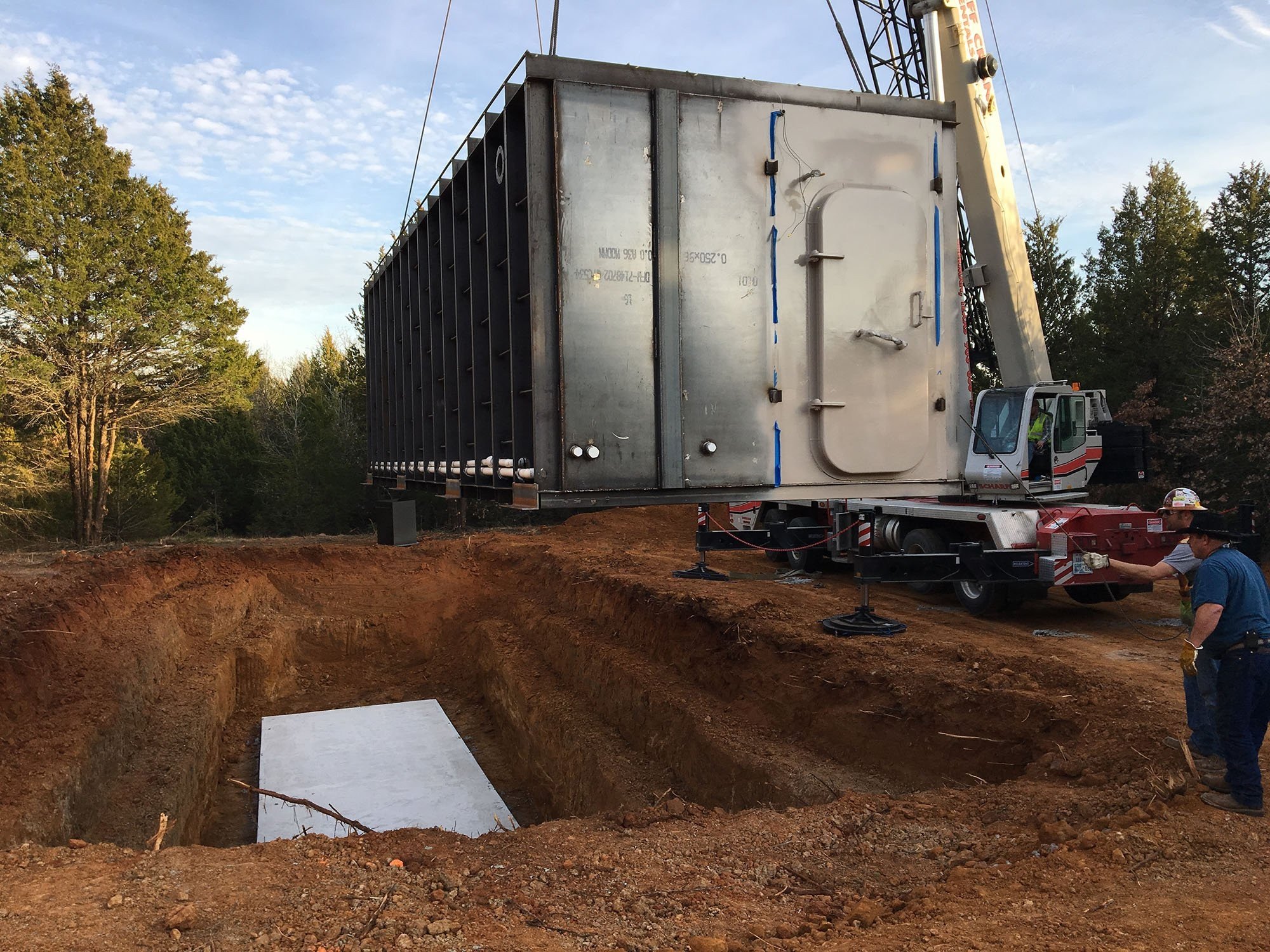
The bunker he chose was built off-site, as is Atlas’ process. Other companies build on-site using concrete, and start to finish takes months. Atlas builds all of its components off-site at its factory in Sulphur Springs, TX, an hour east of Dallas.
The modular component builds look like shipping containers—but unlike shipping containers, they’re made of heavy-duty steel. The pieces are then assembled and welded together on-site, a process that typically takes no more than a week.
Tim’s shelter was shipped in from Atlas’ Texas build site to his home in Virginia. Three semitrucks carried in the compartments to the property, where a build site had already been excavated.
Inside the bunker
Four gas-tight doors separate the two units within the bunker. Two doors lead to the compartment containing the battery and generator rooms, and two doors lead to the residence.
The whole bunker runs on batteries. After approximately three to five days of use when the battery levels dip to 15%, the 22-kilowatt quiet diesel generator kicks on. Tim’s generator has a 100-gallon tank, connected to an additional 1,000 gallons. The system is designed to cycle the diesel, rotating the fuel and keeping it from degrading over time.
If the generator runs approximately four to six hours a day, burning a gallon per hour, then the setup could be powered for approximately 166 to 250 days—5.5 to 8 months—depending on how much energy is used per day.
The whole system is designed to be self-contained. It’s gas- and air-tight, ready for its occupants to be protected from bullets, nuclear fallout, or airborne disaster.
“This room is their insurance plan, their plan B,” says Hubbard. “If they are in that room, their odds [of survival] are 99% better.”
The C-shaped, all-white kitchen in Tim’s bunker looks like any in a starter townhouse—perhaps the center unit—as of course there are no windows. The kitchen and bathroom rely on a reverse-osmosis water system and a 600-gallon water tank.
The living room wall holds the Lunor 150-VA air filtration system, designed to clean and circulate fresh air.
Are bunkers the new add-ons?
Tim’s bunker is just that—for emergencies only.
Right now, Hubbard’s seeing a rise in orders for people who want these safe rooms added onto their residences.
“Most of the time, they have a peacetime residential use—wine room, game room, office,” he says. “These do not feel like our grandparents’ bunkers from the 1950s that felt like jail cells.”
For most people, spending half a million is out of the question. Given the growing interest in shelters, Hubbard has started offering smaller units starting at $20,000, priced as an option for a family making $60,000 or more a year. Even a basement can be retrofitted into a bunker if you add “an air system and a gas-tight door.”
Even though he’s built shelters for “five of the 10 richest people in the country,” Hubbard believes shelters “are for everybody.”
Still, it’s a lot to spend on something that, ideally, you never use. It’s perhaps the only home addition that brings people peace of mind by simply being there—even if they never set foot inside.