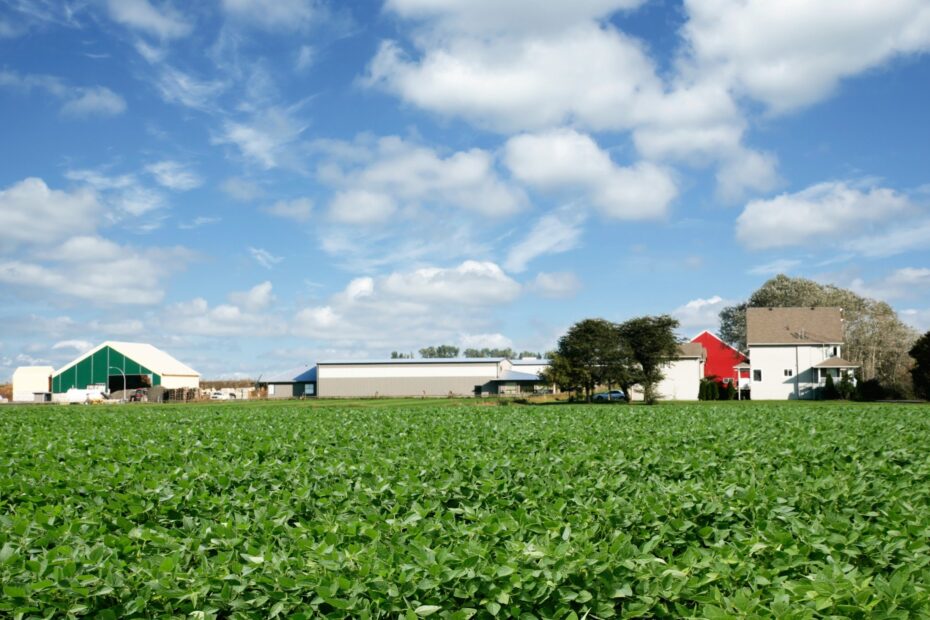
Between touchdowns and 380 people dressed as bushes dancing around Bad Bunny, the Super Bowl featured several memorable commercials last Sunday, including one emotional ad speaking directly to American farm owners.
“So I’ve been thinking, it might be time to hang it up,” a farmer says to his daughter, before handing over the keys and deed to his beloved potato farm in the Lays chip ad.
Viewers watched as the commercial showed the duo through the years, the dad passing down generations of potato-farming knowledge, highlighting the legacy of family-owned farms in America.
Though bittersweet, the daughter seems pleased to take over the farm’s next chapter—a sentiment that might not be shared by actual would-be inheritors these days.
While homeowner interest in owning barndominiums and ranch-style homes has only grown in recent years, actually owning a farm comes with a plethora of challenges that are forcing more and more farms into foreclosure, leaving the next generation potentially without a legacy to uphold.
The plight of the American farm owner in 2026
Farm bankruptcies climbed in 2025, according to the American Farm Bureau Federation.
Their most recent data shows that Chapter 12 bankruptcies increased for the second year in a row, reaching 315 filings in 2025. This is a 46% increase from 2024.
Farm owners in the Midwest and Southeast filed 121 and 105 Chapter 12 cases, respectively, far outpacing any other regions; Arkansas, the nation’s leading rice-producing state, led the way with 33 filings.
Additionally, at the national level, farm sales fell 3.4% from 2024 to 2025, according to Realtor.com® data; meanwhile, the median sale price rose 11.8% from $402,400 to $450,000.
Far and away, the most farm sales were in Texas, which accounted for 34.3% of them in 2025. Missouri (10.0%), Oklahoma (9.8%), California (4.3%), and Kentucky (4.3%) round out the top five states.
There has been a perfect storm of reasons behind the trend, including high production costs and trade uncertainty due to tariffs squeezing farm margins.
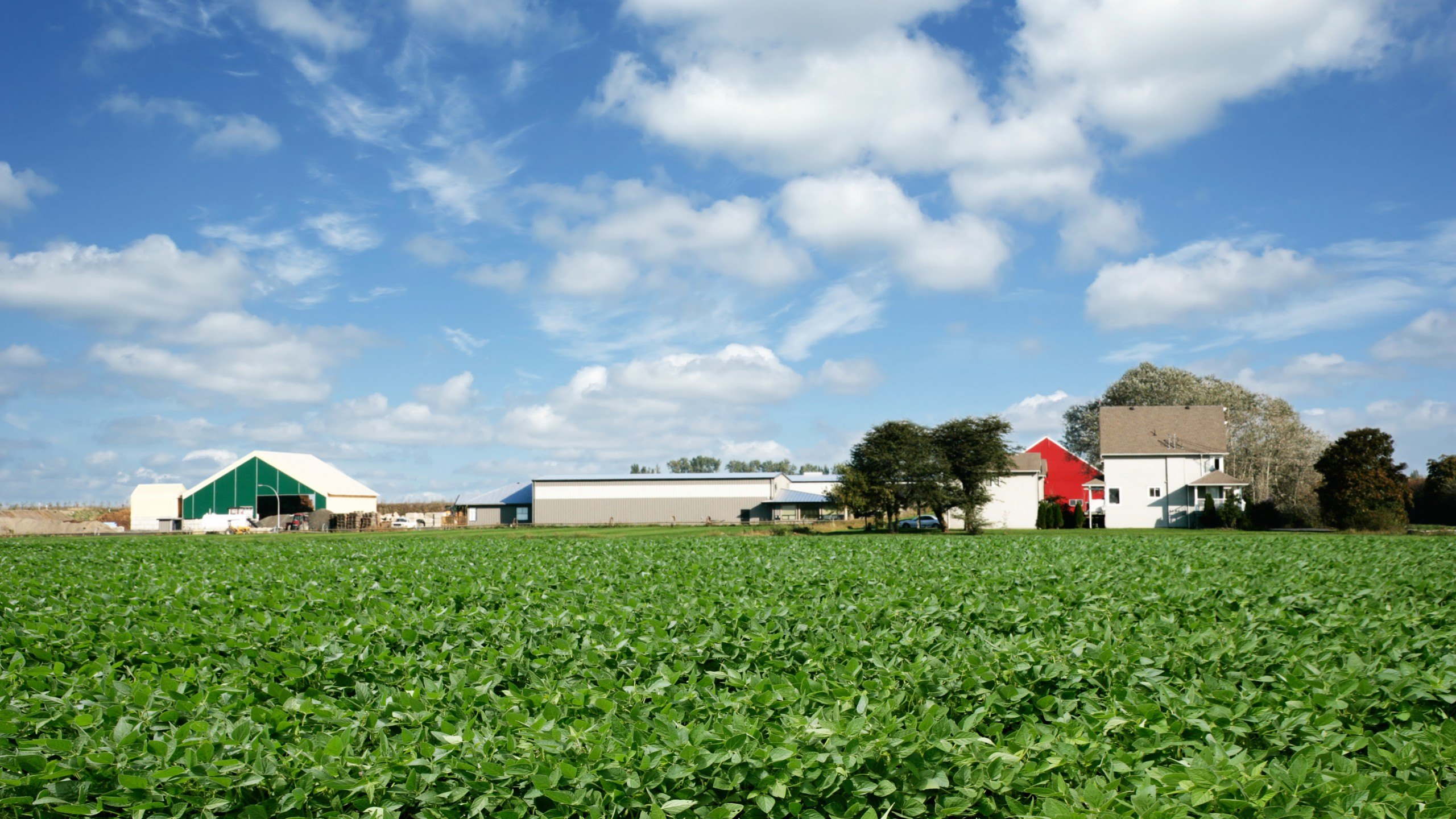
“You talk to farmers and they say, ‘I don’t know what I’m going to do’,” explained Sherman Newlin, an Illinois row-crop farmer and market analyst with Risk Management Commodities, to Reuters. “I know banks that are turning away farmers, and farmers saying they can’t pay back last year’s operating note. It’s pretty depressing out here.”
While the loss of working farms has massive implications for the economy, it also greatly affects the next generation.
According to the American Farmland Trust (AFT), 300 million acres of U.S. agricultural land could be passed down in the next 20 years—but only if the current owners can afford to keep it in the first place.
The price of owning a farm in 2026
The USDA’s 2025 Land Values Report showed U.S. farmland values hit a record $4,350 per acre in 2024. However, per-acre production costs for all nine principal row crops, like rice and soy, are projected to rise again in 2026, even after the Trump administration supplied $12 billion in economic assistance.
While that money did provide timely relief as farmers prepared for the 2026 planting season, it didn’t fully cover farmers’ losses over the last few years or make up for the tariff-inflicted challenges still facing them.
For example, consider fertilizer. A recent report from North Dakota State University’s (NDSU) Center for Agricultural Policy and Trade Studies found that the Trump administration’s 2025 International Emergency Economic Powers Act (IEEPA) tariffs extracted about $110 million from fertilizer imports between February and October 2025, with costs passed through to farmers at rates far exceeding the effective tariff rate.
Thankfully, the administration moved to exempt fertilizers from the IEEPA tariffs in mid-November 2025, but the damage had already been done. Furthermore, hurdles such as increased deportations of farm workers and trade wars clogging up market access are further complicating matters.
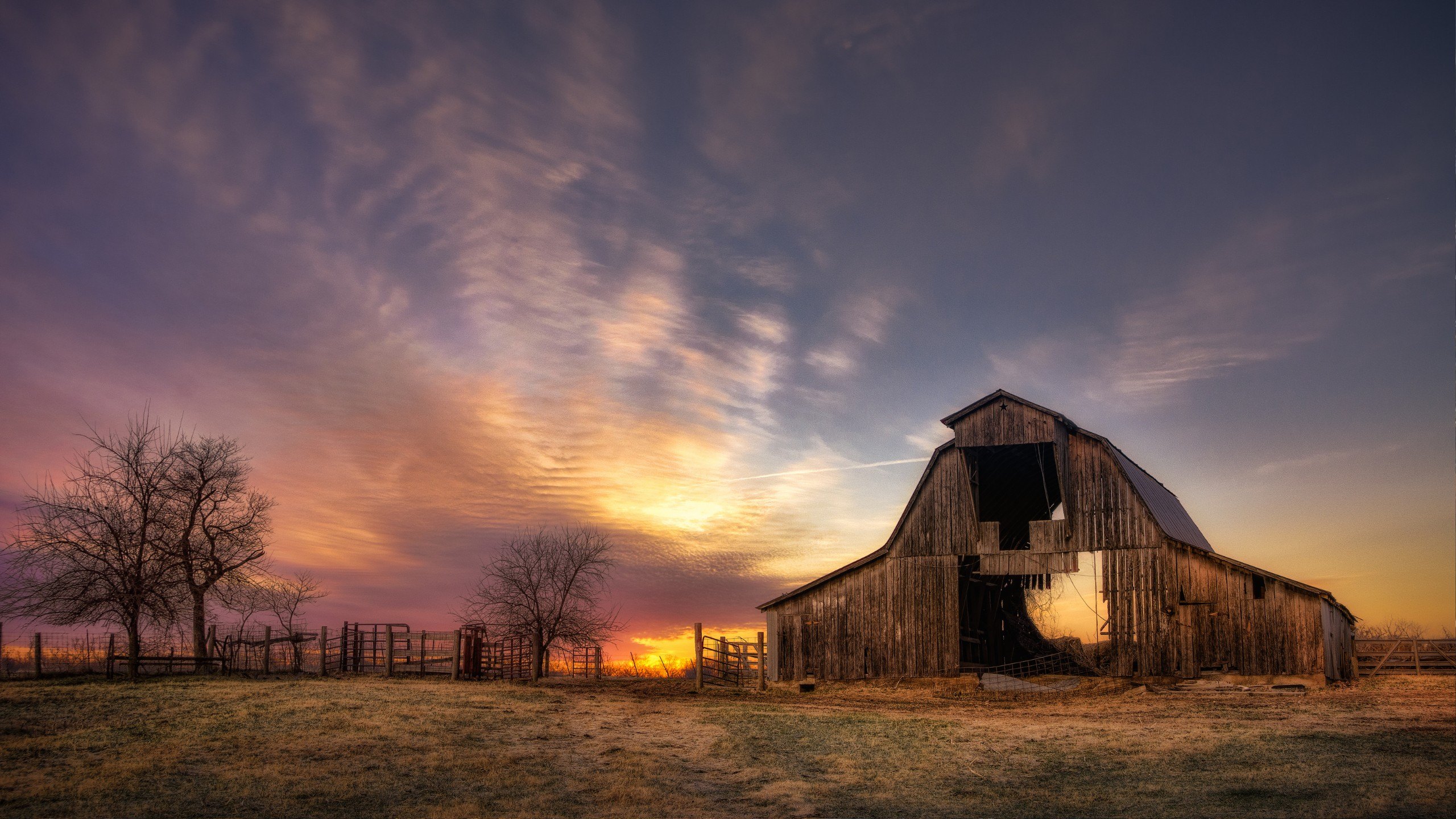
The ‘widespread collapse of American agriculture’
Days before the Super Bowl, agriculture groups sounded the alarm about the economic crisis in rural America in a letter sent to Congress. Fifty-six organizations signed the letter, urging their representatives to do more to resurrect farmland ownership.
“America’s farmers, ranchers, and growers are facing extreme economic pressures that threaten the long-term viability of the U.S. agriculture sector. An alarming number of farmers are financially underwater, farm bankruptcies continue to climb, and many farmers may have difficulty securing financing to grow their next crop,” the letter says.
The coalition of farming experts presented the administration with several key requests, including exempting farm inputs from tariffs, rolling back tariffs that harm exports, seeking new free trade agreements, passing a new farm bill and farm labor reform legislation, and ensuring full funding for agricultural staffing and research. Without this help, the group issued this dire warning.
“Congress needs to assert itself on behalf of farmers if we are to avoid a widespread collapse of American agriculture and our rural communities,” the letter warned.