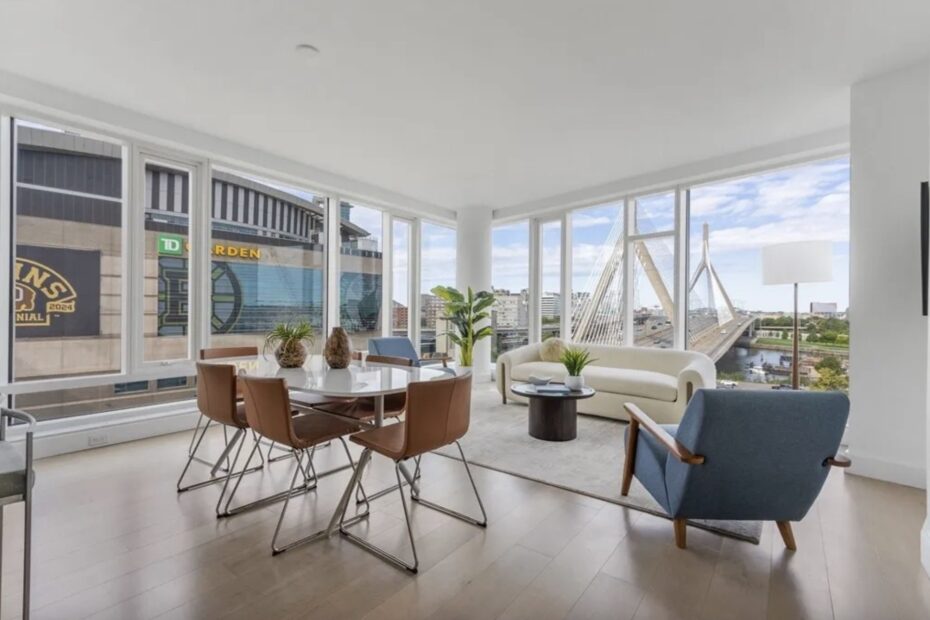
Separated by 3,000 miles on opposite sides of the U.S., Super Bowl LX team cities Boston and Seattle share more than elite football pedigree: Both are coastal hubs of innovation with robust luxury housing markets, though one comes at a much higher price.
The economies of both metros are driven by highly educated workforces and major global employers, including Amazon in Seattle and Mass General Brigham in Boston, which fuel demand for upscale housing.
A zoomed-out look at Boston and Seattle’s housing landscapes reveals that both metros are facing steep affordability challenges, with median listing prices—roughly $760,000 in Boston and $730,000 in Seattle—sitting well above the national median of $399,900, according to a new report from Realtor.com®.
Each city offers a lengthy roster of million-dollar properties, averaging about 2,400 listings apiece. In Seattle, seven-figure homes represent more than 28% of available inventory; while in Boston, over a third of homes on the market start at $1 million or higher.
However, entry-level prices for each city’s luxury tier—defined as the 90th percentile of the market— vary wildly.
A buyer looking to break into Seattle’s luxury market would need at least $1.7 million to get their foot in the door—roughly a half-million more than the national entry point for top‑tier homes.
But that hefty price tag pales next to Boston, where home shoppers need a minimum of $2.57 million to land one of the city’s premium properties.
“Boston and Seattle both operate comfortably in seven-figure territory and sustain consistent demand at the upper end of the market, but the structure looks different,” explains Realtor.com senior economist Anthony Smith. “While each metro supports a large depth chart of million-dollar listings, the way luxury is distributed across the housing stock separates the two.”
Boston’s luxury market is in a division of its own
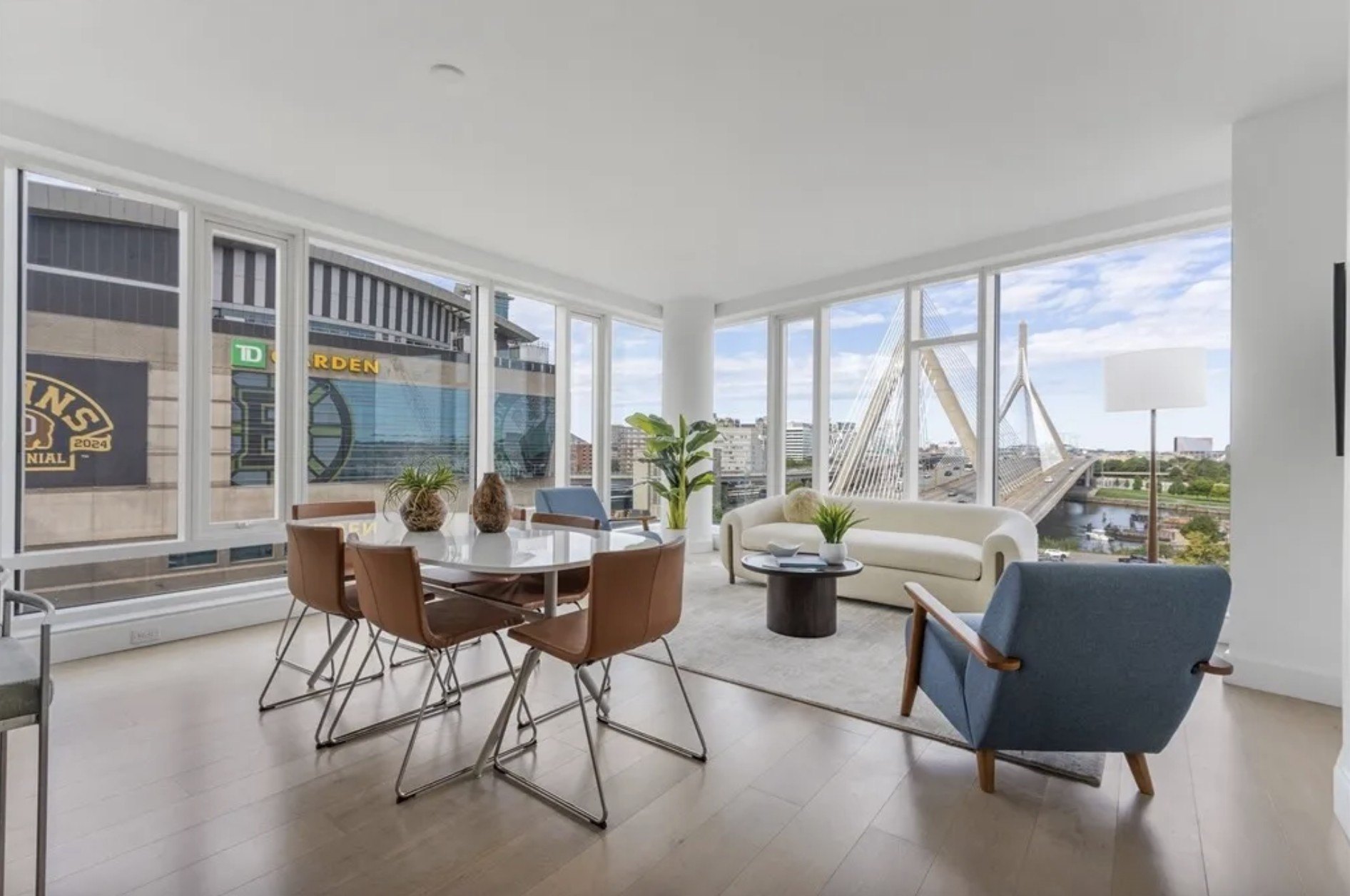
Over the past decade, luxury home prices in both Boston and Seattle have climbed, but Boston’s top‑tier housing market has surged dramatically ahead in the post-COVID-19 years.
In January 2026, the price of a typical entry-level luxury home in Boston was over 71% higher than during the same period in 2016.
George Sarkis, CEO of The Sarkis Team at Douglas Elliman in Boston, tells Realtor.com that demand for premium listings has been fueled by what he describes as long-term fundamentals. They include the region’s top universities, hospitals, life sciences, and limited inventory in desirable neighborhoods.
“Many buyers see Boston as a stable market that is lifestyle-driven rather than a trend-based market,” he says.
Meanwhile, Seattle’s entry point to its luxury market climbed roughly 36% over the same period, well behind Boston’s pace.
Notably, Boston’s 99th percentile of the market, which refers to the ultraluxury segment, begins at a staggering $9.83 million—more than $3 million higher than in Seattle.
“Boston’s luxury market has become more selective,” says Sarkis. “We are seeing buyers that are focused on quality, location, and turnkey properties.”
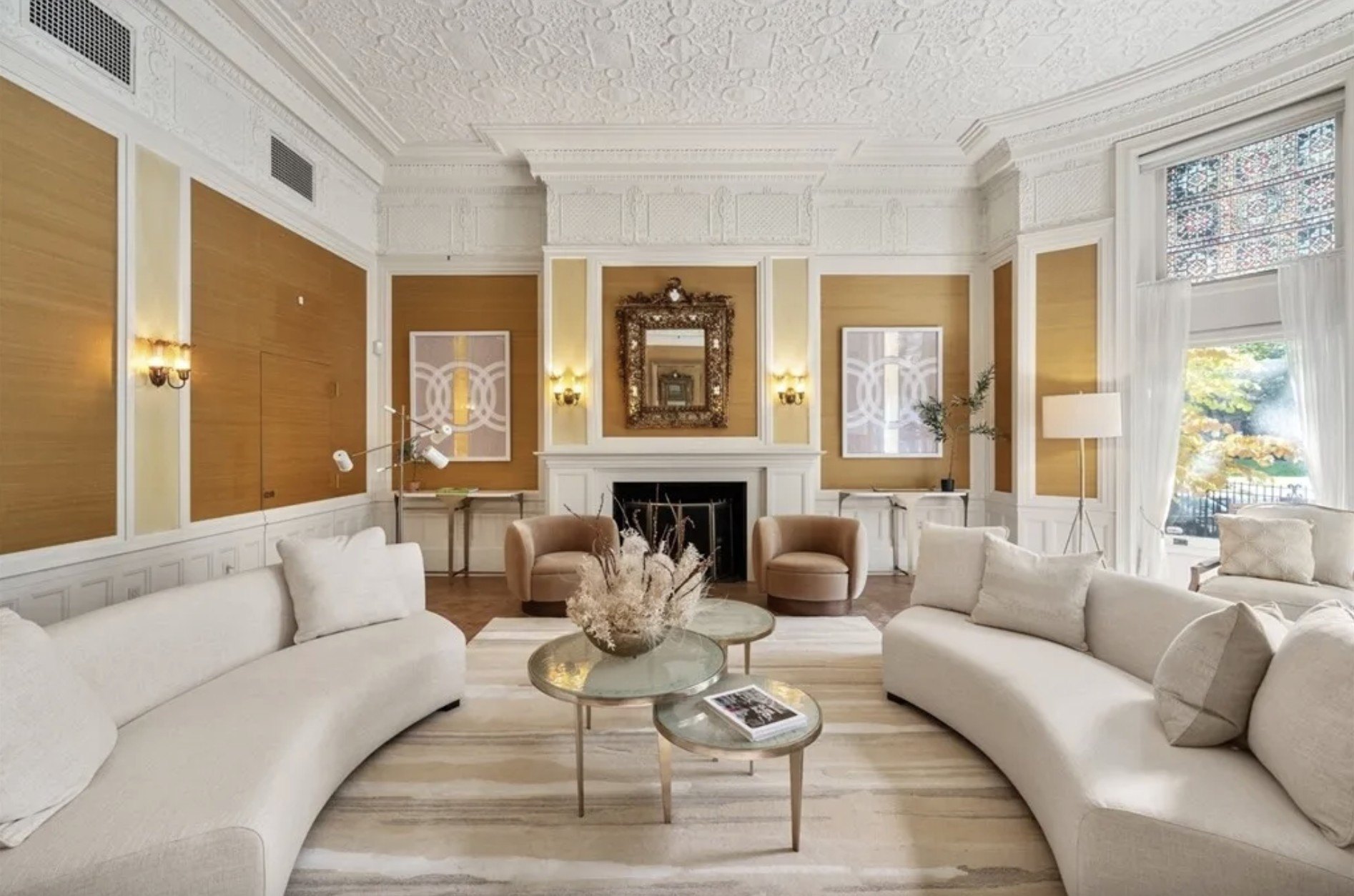
Boston’s priciest ZIP codes cluster around its historic urban core and nearby estate suburbs, led by the tony enclaves of Back Bay, Beacon Hill, and Weston. Many of the homes in the city’s most sought-after sections date to the late 1800s and early 1900s, lending the local housing stock a heritage-rich character.
Sarkis says most buyers these days gravitate toward either renovated historical homes or high-end, full-service condos offering security, outdoor space, and parking.
“Luxury buyers are purchasing a full lifestyle, with schools, walkability, cultural institutions, and daily convenience playing a major role in their decision,” he says.
The agent notes that shoppers new to the market often underestimate how limited inventory is in prime locations and how quickly trophy properties can move.
Seattle’s rapid market pace
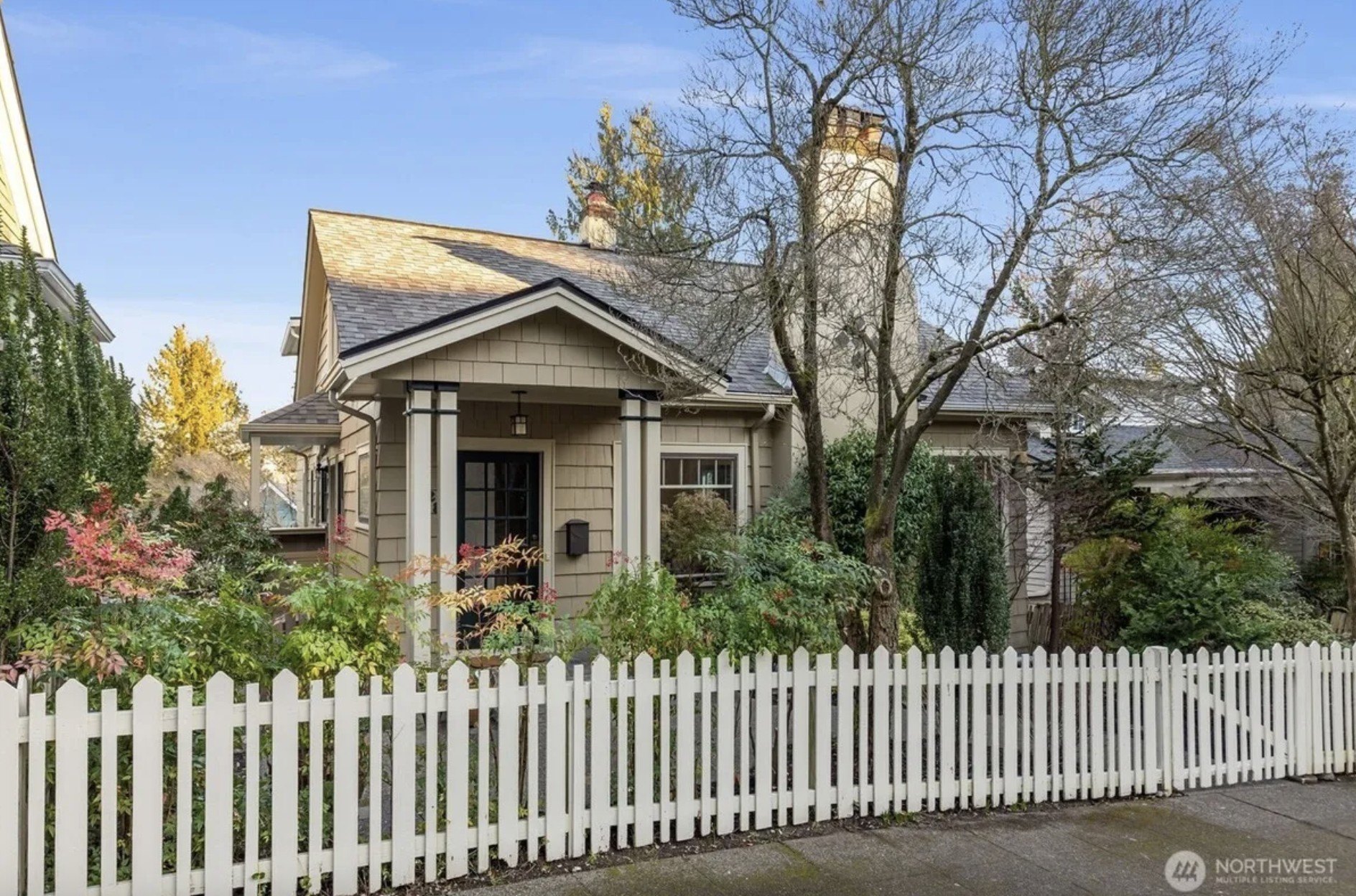
Though luxury homes in Seattle are priced lower than in Boston, they tend to sell faster.
The typical entry-level million-dollar listing in Seattle sits on the market for 85 days, compared with Boston’s 97 days.
Smith says that the gap reflects Boston’s higher pricing and a narrower pool of buyers able to afford its top-tier prices.
Sarkis, however, points out that top-shelf properties in Boston still sell quickly, “while anything with compromises takes longer and requires precise pricing,” he says.
Seattle’s most expensive ZIP codes are found along Lake Washington and the Eastside, with the Medina neighborhood at the pinnacle of the market.
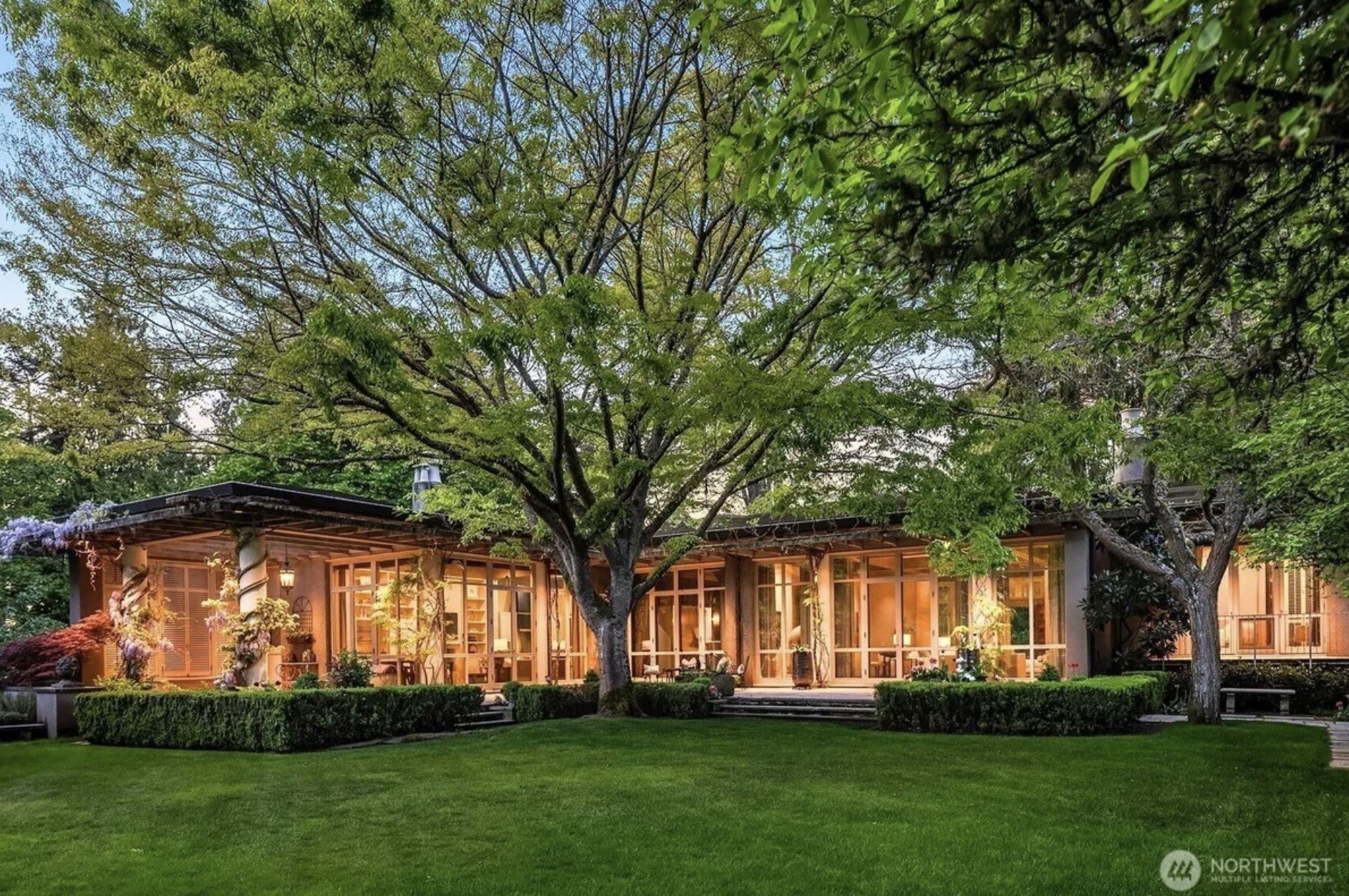
Known for waterfront estates, gated streets, and a contingent of ultrawealthy tech executives, among them Microsoft co-founder Bill Gates living in his $130 million “Xanadu 2.0” compound, Medina is the region’s most exclusive enclave with a median listing price approaching $9 million.
Other in-demand communities in Seattle include Mercer Island, Bellevue, and Sammamish, where newer homes, larger lots, and modern architecture dominate the market.
“Unlike Boston’s century-old brownstones and historic estates, many of Seattle’s top neighborhoods skew more contemporary, with median build dates largely in the late 20th century, reflecting a market shaped by recent growth rather than legacy inventory,” says Smith.
Overall, both Seattle and Boston are expensive cities offering a wide selection of seven-figure listings to meet buyer demand for luxury homes, but the two metros have some major distinctions.
Seattle’s top-tier market resembles a plateau: It carries an elevated entry point relative to the national median, but listings are spread across several desirable neighborhoods, attracting a broader pool of buyers.
Boston’s high-end segment, on the other hand, is more like a mountain, defined by a much higher entry threshold, a larger share of inventory concentrated in the top end, and scarce supply clustered within a handful of legacy neighborhoods.