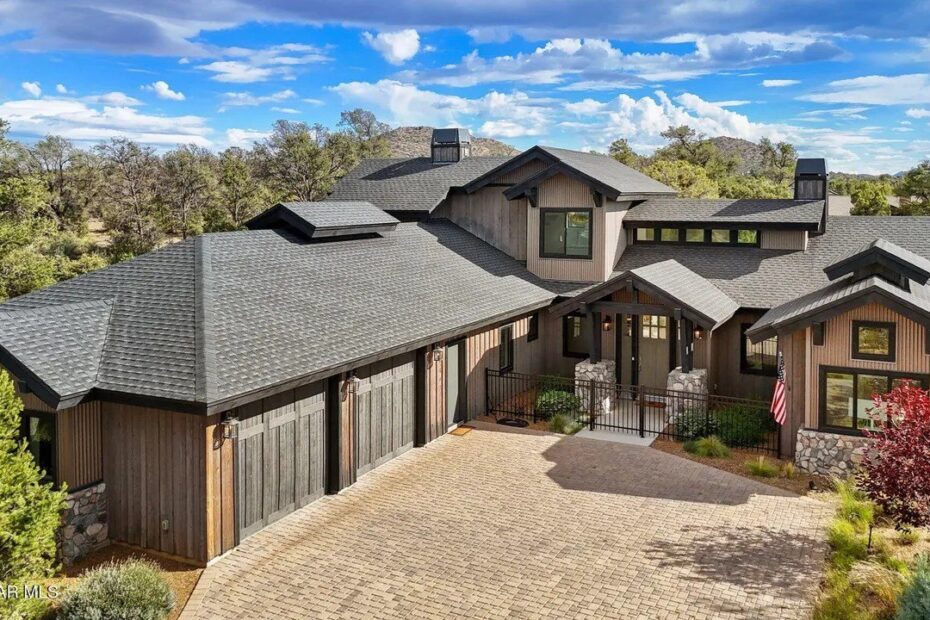
Luxury comes in a variety of forms, and the new Winter 2026 Wall Street Journal/Realtor.com® Luxury Housing Market Ranking shows that luxury markets aren’t defined by price alone.
“They are defined by balance,” explains Anthony Smith, senior economist at Realtor.com. “Markets that pair livability and economic durability with workable supply-and-demand conditions continue to rise, while some traditionally expensive locations are still competitive but face more friction on affordability and risk.”
The Detroit metro is a classic example of luxury redefined and topped last quarter’s ranking. The entry point for luxury in the Motor City is $679,846—that’s well below the national starting point for luxury which sits near $1.19 million.
“When the entry point to the luxury tier remains accessible, buyer demand can stay active even as households grow more selective, and overall performance is supported by steady fundamentals rather than reliance on a single standout factor,” Smith says.
The report explains that Detroit’s buyers remain engaged, but they are prioritizing markets where the high-end tier represents a premium lifestyle upgrade rather than a premium based by location.
“Detroit continues to post a high floor across the fundamentals that matter most in a selective market, including stable buyer interest, relative affordability within the luxury tier, and an economic and livability profile that supports sustained activity rather than short-lived momentum,” says Smith.
Prescott’s peak
Breaking into the top 10 Wall Street Journal/Realtor.com Luxury Housing Market Ranking is a desert metro—Prescott, AZ—with a luxury median list price of $1,425,750.
Prescott—which is pronounced like “press kit”—has been quietly growing in popularity as locals and visitors are discovering the city located about 99 miles from downtown Phoenix. It’s population: 252,013.
Brad Bergamini and his wife, Jen, grew up in Prescott and own a real estate firm, The Bergamini Group, selling the homes in the metro they’re very familiar with. Brad tells Realtor.com that Prescott’s growth has been “very smart, even from a traffic standpoint.” He adds that the area hasn’t gotten too commercialized.
“We have a good entry point,” says Brad. “You tend to get quite a bit for your money at that range.”
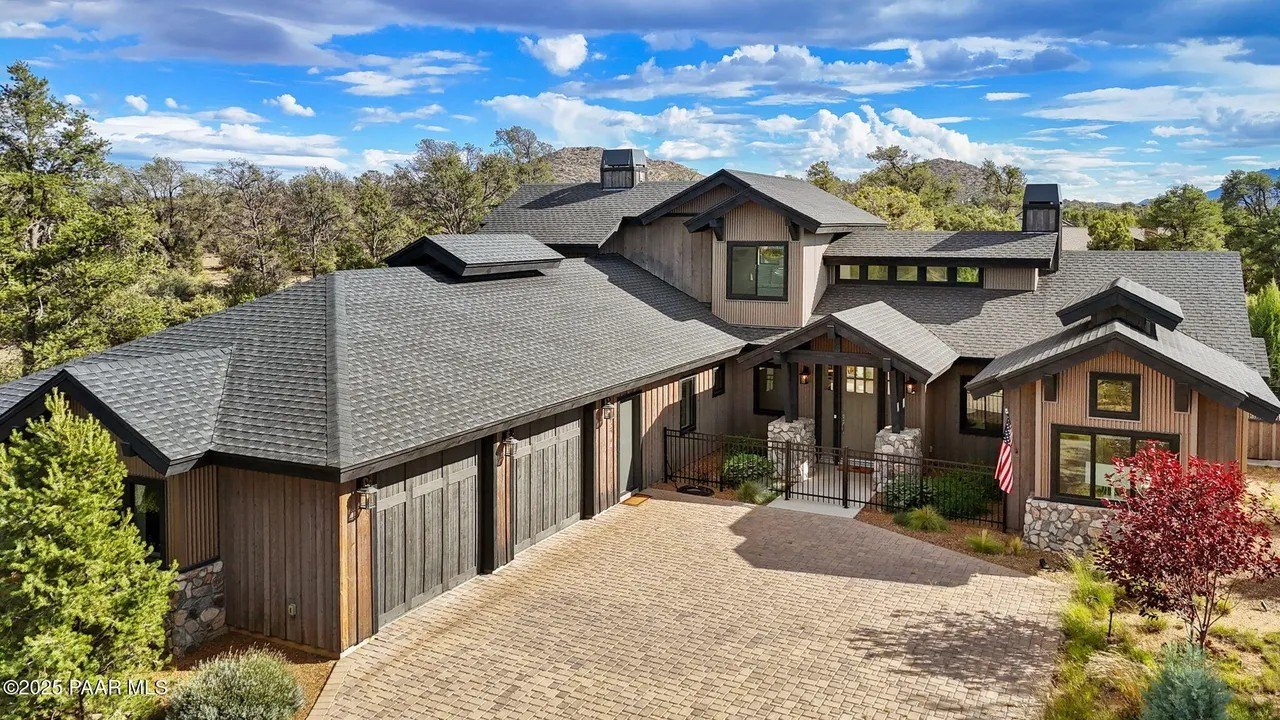
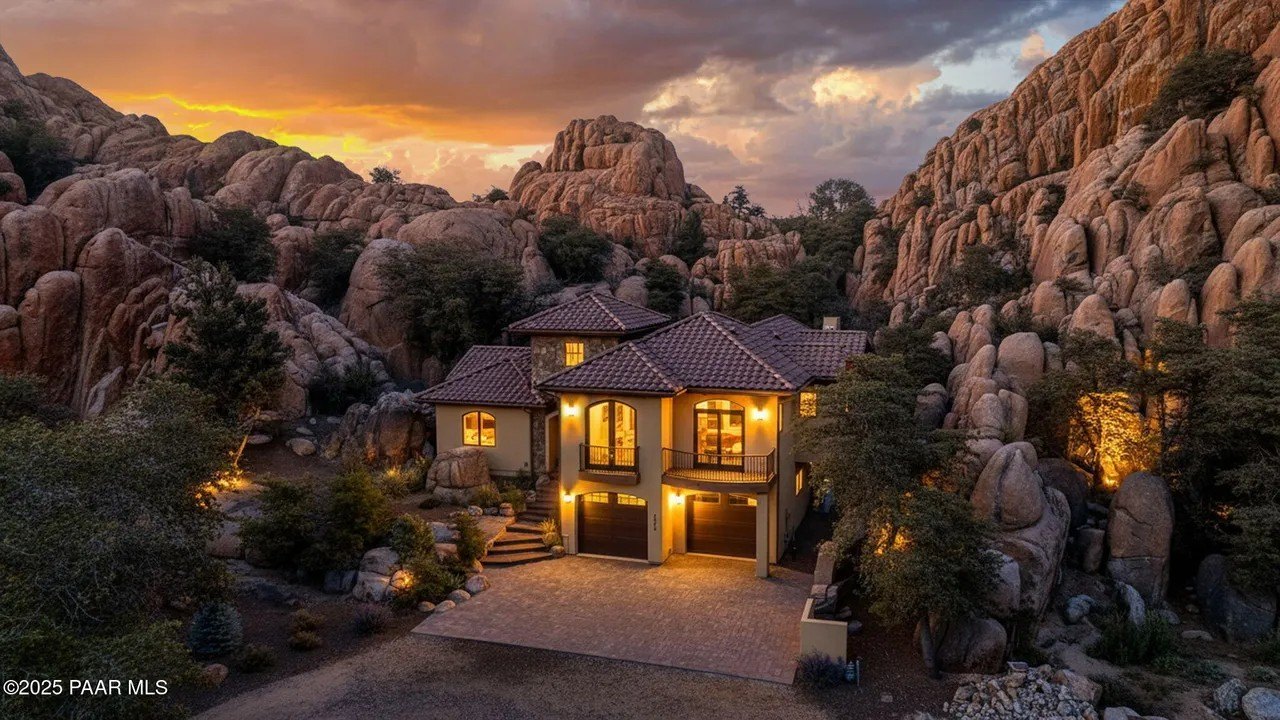
The new ranking explains that Prescott re-emerged as a top contender rounding out the top 10 luxury list. This metro shows how smaller lifestyle-oriented markets can move quickly when demand shifts.
“Prescott (No. 10) made the largest jump into the top 10, consistent with a renewed tilt toward smaller lifestyle metros that can deliver perceived value in the luxury tier,” Smith says.
“What’s nice about our luxury market, there are price points for everyone,” Brad says. “Let’s say you have a retiree who purchased a luxury home, but you can still have family members that can afford some of our marketplaces that are outside of the luxury market.”
The median list price for a home in the Prescott metro is $649,575 offering buyers a lot “home” whether it’s at the median price or the luxury. Brad shares that he’s worked with a lot of buyers who are retirees, but also people from California, Washington state, and even Chicago.
“We have the four seasons, but they’re mild. We’ll get snow, but it tends to melt pretty quickly,” Brad explains. “And it’s still kind of like a little removed from the heart of the city like Phoenix or Scottsdale, but yet it still has the conveniences.”
Luxury lifestyle
Sandwiched in between Detroit and Prescott and making the top 10 luxury ranking are St. Louis, MO-IL with a luxury entry price point of $627,559. Followed by: San Diego-Carlsbad, CA ($2,911,482); Salt Lake City, UT ($1,197,650); Santa Maria-Santa Barbara, CA ($9,808,500); Charlottesville, VA ($1,276,430); Portland-South Portland, ME ($1,597,000); Bridgeport-Stamford-Norwalk, CT ($3,995,000); and Minneapolis-St. Paul-Bloomington, MN-WI ($969,698).
St. Louis continues to remain at the top of the list and is another metro where buyers are weighing total lifestyle value: housing cost relative to local wages, manageable commuting, and steady economy.
The San Diego-Chula Vista-Carlsbad metro is the biggest mover this quarter. The report reveals this market is becoming more competitive rather than more speculative.
“While San Diego remains one of the most expensive metros in the rankings, recent pricing and inventory dynamics have improved its overall balance, helping it stand out among high-cost coastal peers,” adds Smith.
The Wall Street Journal/Realtor.com ranking evaluated the 30 most populous core-based statistical areas, as measured by the U.S. Census Bureau and defined by March 2020 delineation standards, plus the 30 markets with the highest concentration of homes listed for more than $1 million for eight indicators across two broad categories: real estate market (60%) and economic health and quality of life (40%).