Most homeowners are now focused on spring-cleaning.
While this is all good and well, weatherizing your home before summer hits is just as important.
If you wait until the middle of the summer to do so, you’re likely going to end up waiting.
“Everyone notices their house isn’t keeping out the summer heat, and decides to invest in insulation and air sealing at the same time. Then, contractors get booked and waitlists form,” says Rick Hoskins, founder and CEO of FilterKing.com in Miami Beach, FL.
By the time your home is weatherized, the peak of the summer may already be over. To avoid this issue, be proactive and get started as soon as possible.
Doing so means more flexibility, better contractor availability, fewer urgent decisions, and less stress once summer arrives.
Why you can’t wait
If you catch small issues before your air conditioner has to work really hard, you’re more likely to resolve them and avoid larger breakdowns and system failures that cost you more money and hassle.
Summer is also the busy season for most trades, but especially for HVAC. When it’s 80 to 90 degrees outside and your AC goes out, you simply can’t go without it without risking your health and your home. However, you’ll find that HVAC companies are absolutely swamped.
“You might not be able to get someone out for a day or two, and it may take even longer to get a new system if you end up needing a replacement. As always, prevention is cheaper (and more reliable) than repair or replacement,” Hoskins explains.
Getting ahead of weatherization and being prepared means your system will be ready to go, your home will stay comfortable, and you won’t overpay on energy bills just to keep up with the heat.
Weatherization tips from the pros
These expert tips can help you enjoy a cool, well-insulated home all summer long—not just at the tail end of it.
1. Seal windows and doors
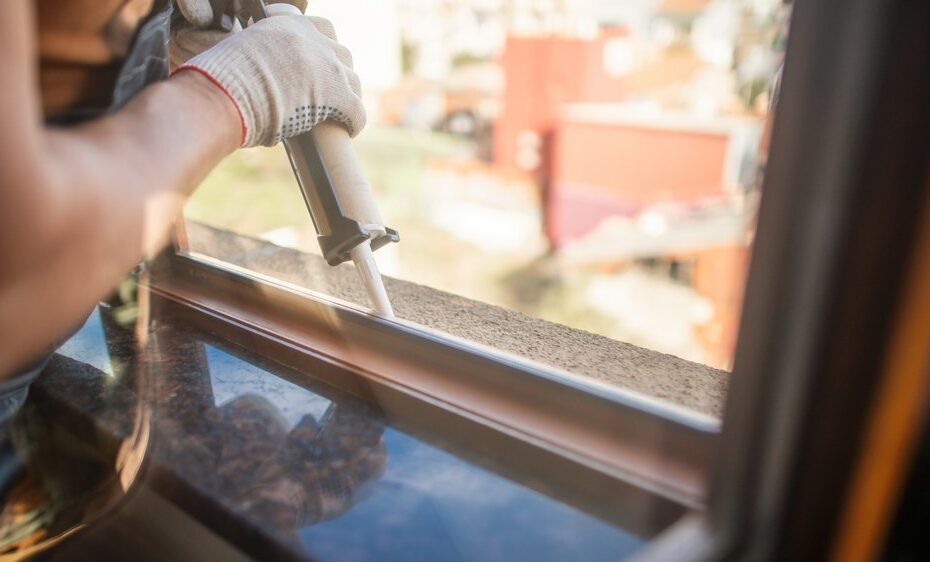
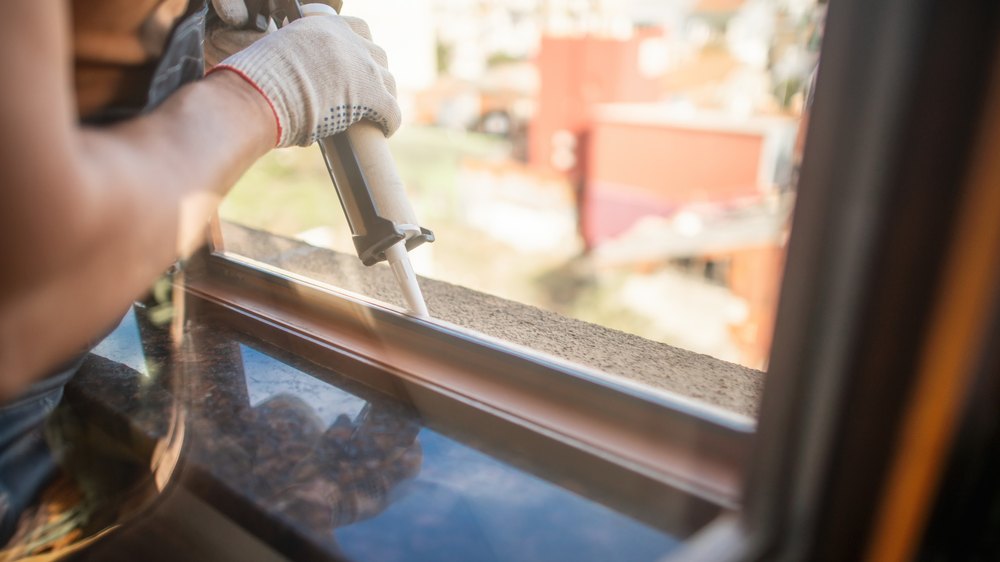
“This is one of the highest-ROI projects for most homeowners because the cost is relatively low and the payoff is immediate,” says Kim Lincoln, sales trainer at Service Experts in Fort Worth, TX.
If cool air is leaking out around windows and doors, the AC runs longer, energy bills go up, and some rooms never feel quite comfortable.
Fresh caulk and weatherstripping are inexpensive, and they often produce a noticeable improvement right away.
2. Change dirty filters
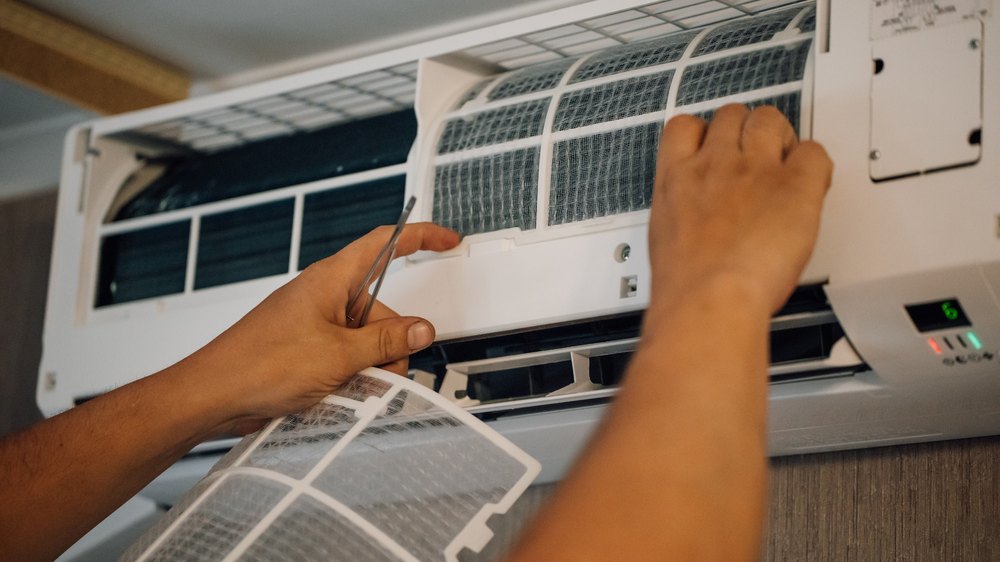
A dirty filter reduces airflow, makes the system work harder, and can hurt both efficiency and humidity control.
“With a clean filter, which you can buy online or at your local home improvement store, you automatically get better airflow, lower equipment strain, and better overall system performance,” explains Lincoln.
3. Schedule a full AC tune-up
Professional AC service before the first heat wave is invaluable. After all, it’s cheaper to catch a small issue in spring than to deal with a breakdown in the middle of summer.
“A technician will change filters, clean coils and fins, check electrical connections, check refrigerant levels, and make sure your system is operating as efficiently as possible,” explains Hoskins.
4. Clear and gently clean the outdoor unit
This is another very good ROI task because it costs almost nothing but can help the system breathe and operate more efficiently.
“If the outdoor unit is surrounded by leaves, cottonwood, pollen, grass clippings, or overgrown shrubs, the AC has to work harder to release heat,” explains Lincoln.
You can use a garden hose for DIY clearing, but you might need to call a pro if you notice heavy buildup or the unit hasn’t been maintained in years.
5. Check vents and returns for blocked airflow
From a return-on-effort standpoint, this one is excellent. It’s easy and free to move furniture, lift a rug off a return, or open a vent that has been shut.
“Poor airflow can make homeowners think they have an equipment problem when the real issue is simply that the system cannot move air properly,” says Lincoln.
6. Insulate your attic
This is a higher upfront investment as proper insulation is usually best handled by a pro, but it is often one of the best long-term ROI projects. As long as it’s done correctly, attic insulation may reduce heat gain every single day of the cooling season.
“If the attic is underinsulated, heat radiates into the home and forces the AC to run longer. Better attic insulation helps with comfort, efficiency, and long-term equipment wear,” Lincoln explains.
7. Invest in blackout curtains
Blackout curtains on south-facing and west-facing windows do a great job as they block sunlight from entering your home through windows and heating up the surfaces and air.
“Blackout curtains are a relatively cheap upgrade that can reduce your bills dramatically—often by 5% to 15%,” says Kevin Goude, owner of First Choice Heating & Air in Aynor, SC.
8. Seal air ducts
If you use a central system with ductwork, the ductwork can be one more source of energy leaks.
“While duct cleaning is only necessary in a few cases, duct sealing is a task that should ideally be done every five years—it can reduce air loss by up to 20%,” Goude explains.
To seal your ducts properly, you need mastic sealant and foil HVAC tape.
9. Test the thermostat and cooling mode
This is more about avoiding expensive timing than saving on materials, but the ROI is real.
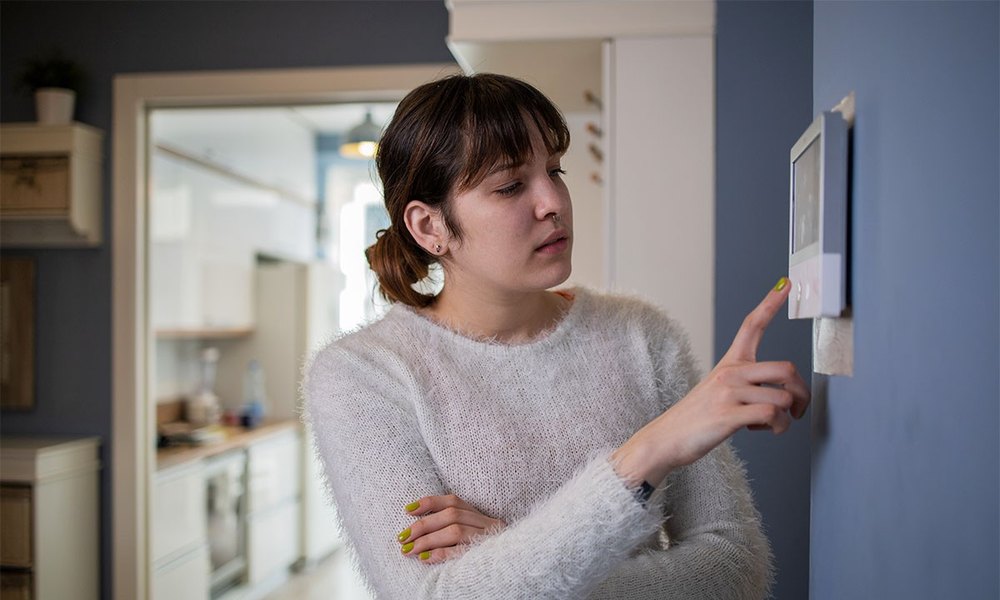
“If the thermostat is not communicating properly or the cooling side of the system has an issue, finding that out early gives you more time and often lower urgency than waiting until the first 90-degree day,” says Lincoln.